Doctors, unbeknownst to many, have taken up AI faster than most forecasts expected. In March, the American Medical Association reported that 81% of U.S. physicians now use AI in their practices, up from 38% in 2023.
The average physician now uses it for 2.3 separate tasks, more than double the 2023 figure.
Health systems are also moving at a similar pace. In its second annual AI adoption survey, research firm Eliciting Insights found that 75% use or plan to use at least one AI application. Half already run three or more.
The enthusiasm comes with conditions attached. The same AMA survey found that 86% of physicians consider data privacy critical to broader adoption, and 88% want robust safety and efficacy validation. Those demands make sense in a field where one dataset can link claims, prescriptions and lab results to the identifiers that point back to a patient.
Healthtech companies are reaching a similar point from a different direction. In April, Deloitte surveyed 150 biopharma and medtech executives for its midyear 2026 outlook. Seventy-one percent said their AI deployment had advanced over the previous six months, but only 13% reported measurable improvement at scale.
Taken together, the surveys point the same way. Organizations that hold sensitive health data want AI working on it, and they are careful about who brings it in. Increasingly, the answer is a firm that already handles that data.
Source Meridian is one of those firms. The technology company works with healthcare and life sciences organizations on real world data, big data, business intelligence, identity graphs and compliance. It has now reached the Select tier in the Services Track of Anthropic’s Claude Partner Network, a recognition that its practice is qualified to deliver Claude for customers.
Anthropic introduced the Services Track in June with three tiers: Select, Preferred and Global Premier. Each tier is based on what a firm has actually built and delivered with Claude. To qualify for Select, a partner needs at least 10 active certified practitioners and at least two joint customers running Claude in production within the past 12 months. It also needs at least one public customer story. When Anthropic announced the track, more than 40,000 firms had applied to join the network, and the company committed $100 million to partner training, technical support and shared marketing.
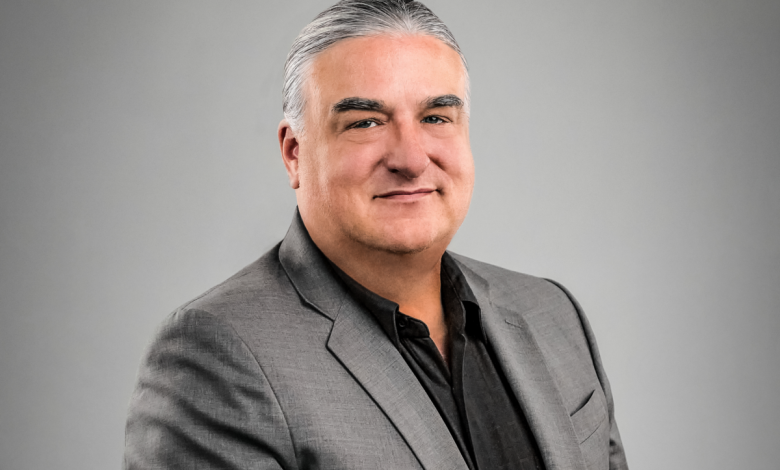
Founder and CEO Mike Hoey describes the milestone as the next step in years of client work. Healthcare and life sciences organizations have trusted the company with some of their most complex projects, many of them involving data those organizations can’t afford to mishandle.
“That trust was earned one engagement at a time, and we don’t take it for granted,” Hoey said. “The teams who rely on us can now bring Claude into their projects, with certified people who already know their business.”
That last point matters more in real world data than in most fields. Building an identity graph means matching records about the same patient across claims, pharmacy and clinical sources while keeping that person anonymous. Any AI model added to such a pipeline takes on the compliance obligations attached to every join. A team that designed the pipeline knows where the sensitive links sit, and a team arriving cold has to learn that first.
Hoey gives the credit to his staff, who work from delivery centers in the U.S., Colombia and Ecuador. “We’re proud of this and genuinely grateful, most of all to our team,” he said. “This milestone reflects the craft of our people. Thank you for making it possible.”
For current clients, the practical result is continuity. Source Meridian plans to bring Claude into the projects it already runs for customers, applying the same care it uses whenever their data is involved. The company sees Select as a starting point and plans to keep building its Claude practice.
The broader test for the sector sits in the gap Deloitte measured, between the 71% of life sciences leaders whose AI work is moving and the 13% who can show results at scale. Most organizations can already get access to capable models. Closing that gap will take people who understand both the model and the data it is being asked to work with.