



Artificial intelligence is rapidly reshaping modern healthcare, and dentistry is no exception. In recent years, AI has become a powerful force in digital dentistry, enhancing diagnosis, treatment planning, and the design of highly precise dental restorations. From automated smile design to AI-assisted CAD/CAM workflows, technology is enabling dentists and dental technicians to achieve levels of accuracy and efficiency that were previously unimaginable.
In the field of fixed prosthodontics, AI is playing a transformative role by improving how crowns, bridges, and implant-supported restorations are designed and manufactured. By analyzing patient data, optimizing digital scans, and predicting ideal restorative outcomes, AI is helping create more personalized, durable, and natural-looking dental solutions. This integration of artificial intelligence with advanced dental materials and digital workflows marks a new era in restorative dentistry—where precision, speed, and patient outcomes are elevated to unprecedented levels.
What Is Fixed Prosthodontics?
Fixed prosthodontics is a branch of dentistry that focuses on restoring damaged or missing teeth using prosthetic devices that are permanently attached. These restorations are either bonded to natural teeth or anchored to dental implants, ensuring stability and long-term performance.
The most common types of fixed prosthodontic treatments include:
- Dental Crowns: Caps placed over damaged teeth to restore their strength and shape
- Dental Bridges: Used to replace one or more missing teeth by anchoring artificial teeth to adjacent natural teeth
- Implant-Supported Restorations: Artificial teeth attached to implants embedded in the jawbone
- Full Mouth Rehabilitation: Comprehensive restoration involving multiple prosthetic solutions
These treatments are tailored to each patient’s needs, ensuring both functional improvement and aesthetic enhancement.
Why Fixed Prosthodontics Is Essential in Modern Dentistry
The importance of fixed prosthodontics goes beyond cosmetic improvements. It plays a vital role in maintaining overall oral health.
When teeth are damaged or missing, several issues can arise:
- Difficulty in chewing and speaking
- Shifting of surrounding teeth
- Jawbone deterioration
- Increased risk of further dental problems
Fixed prosthodontics addresses these issues by restoring proper alignment, function, and structure. This not only improves oral health but also enhances overall quality of life.
The Role of Dental Laboratories
Behind every successful prosthodontic restoration is a dental laboratory that transforms clinical plans into physical solutions. Dental technicians work closely with dentists to design and fabricate restorations with extreme precision.
Modern dental labs have evolved significantly, incorporating advanced technologies such as:
- Digital scanning systems
- CAD/CAM design software
- Automated milling machines
- 3D printing
Labs like Novadent represent this new generation of dental laboratories that combine craftsmanship with innovation. Their ability to produce highly accurate and customized restorations has elevated the standard of dental care.
Digital Transformation in Fixed Prosthodontics
CAD/CAM Technology
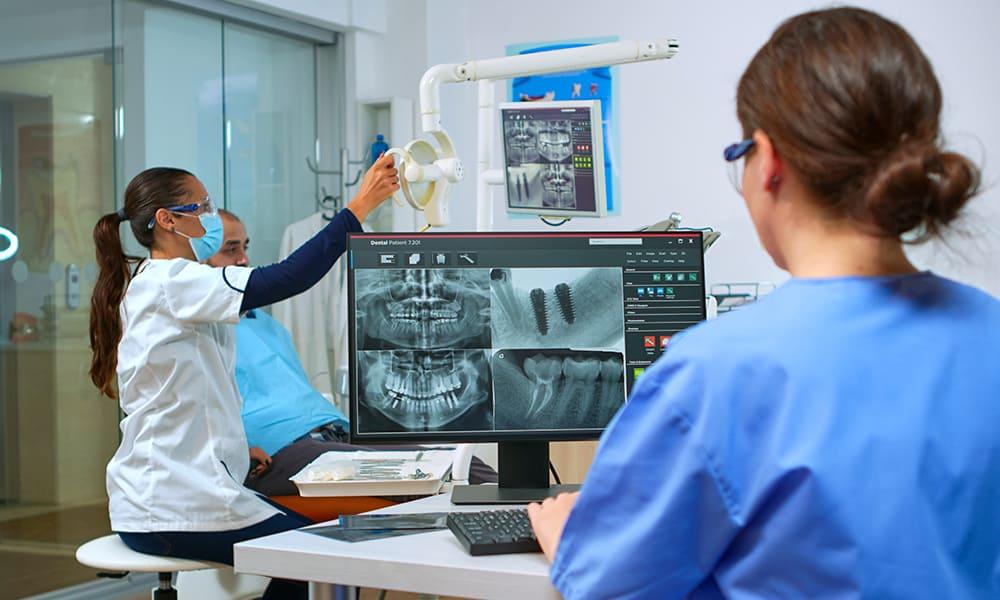
Computer-Aided Design and Manufacturing has revolutionized how dental restorations are created. Instead of manual processes, technicians now design restorations digitally with precise measurements.
Benefits include:
- Improved accuracy
- Faster production
- Consistent quality
- Reduced adjustments during placement
Digital Impressions
Traditional impressions have been replaced by digital scans, which capture detailed 3D images of the patient’s teeth.
Advantages include:
- Greater patient comfort
- Enhanced precision
- Faster communication with labs
3D Printing
3D printing allows dental labs to create models, guides, and restorations quickly and efficiently. This technology is particularly useful for complex cases requiring customization.
Materials Used in Fixed Prosthodontics
The success of fixed prosthodontics depends heavily on the materials used. Modern materials are designed to provide both strength and aesthetics.
Zirconia
Zirconia is known for its durability and resistance to wear. It is commonly used for crowns and bridges, especially in high-pressure areas.
Lithium Disilicate
This material offers excellent aesthetics, making it ideal for visible teeth. Its translucency closely mimics natural enamel.
Porcelain
Porcelain is widely used for its natural appearance and ability to blend seamlessly with surrounding teeth.
Hybrid Materials
New hybrid materials combine the strength of ceramics with the flexibility of composites, offering improved performance and longevity.
Benefits of Fixed Prosthodontics
Fixed prosthodontics offers numerous advantages over traditional dental solutions.
Long-Term Durability
These restorations are designed to last for many years with proper care, making them a reliable investment.
Natural Appearance
Advanced materials and digital design ensure restorations look and feel like natural teeth.
Improved Functionality
Patients regain the ability to chew and speak comfortably.
Enhanced Confidence
A restored smile can significantly boost self-esteem and social confidence.
Challenges and Considerations
While fixed prosthodontics offers many benefits, it requires careful planning and execution.
Key considerations include:
- Accurate diagnosis and treatment planning
- Selection of appropriate materials
- Precision in fabrication
- Proper maintenance and oral hygiene
Close collaboration between dentists and dental laboratories is essential to ensure successful outcomes.
The Importance of Customization
Every patient is unique, and so are their dental needs. Fixed prosthodontics emphasizes customization to ensure that each restoration fits perfectly and functions effectively.
Customization involves:
- Matching tooth color and shape
- Ensuring proper bite alignment
- Designing restorations for individual anatomy
This level of personalization is made possible through digital technologies and skilled craftsmanship.
The Future of Fixed Prosthodontics
The future of fixed prosthodontics is closely tied to advancements in technology and materials.
Emerging trends include:
AI-Assisted Design
Artificial intelligence is being used to analyze patient data and create optimized restoration designs.
Fully Digital Workflows
End-to-end digital processes are improving efficiency and reducing errors.
Faster Turnaround Times
Automation and advanced manufacturing techniques are reducing production times significantly.
Personalized Dentistry
Advancements in technology are enabling highly customized treatments tailored to individual patients.
Maintenance and Longevity
While fixed prosthodontic restorations are durable, proper care is essential for maintaining their longevity.
Patients should:
- Maintain good oral hygiene
- Visit the dentist regularly
- Avoid excessive force on restorations
- Follow professional care recommendations
With proper maintenance, these restorations can last for many years without issues.
Why Choosing the Right Dental Lab Matters
The quality of a prosthodontic restoration depends not only on the dentist but also on the dental laboratory involved.
A high-quality lab ensures:
- Precision and accuracy
- Use of premium materials
- Consistent results
- Faster turnaround times
Labs like Novadent play a crucial role in delivering reliable and high-performing restorations that meet modern standards.
Conclusion
Fixed prosthodontics represents one of the most advanced and impactful areas of modern dentistry. By combining clinical expertise with cutting-edge technology, it provides patients with durable, functional, and aesthetically pleasing solutions.
The evolution of dental laboratories, materials, and digital workflows has transformed how restorations are created and delivered. As technology continues to advance, fixed prosthodontics will only become more precise, efficient, and accessible.
For patients seeking long-term dental solutions and professionals aiming to deliver the highest standard of care, fixed prosthodontics stands as a cornerstone of modern dentistry—where science, technology, and artistry come together to create confident, lasting smiles.