The need for digital capacity is significant, with cloud services and Artificial Intelligence (AI) making this demand grow exponentially. The challenge of keeping up with this growth is that the supporting infrastructure, such as data centers, must be sustainable. It requires the digital infrastructure industry to join with the communities it serves.
But this push for digital growth often meets strong local resistance. Communities worry about clear costs: heavy water and energy use, noise, and the look of big industrial buildings. They often feel these costs are much higher than any future benefits. The industry’s challenge is clear: it must adopt a new way of operating with the public.
The New Rule: ESG Only
To build responsibly at the scale needed, the focus must change. We need true partnership with the community and clear sustainability. This is the approach some emerging markets are taking. In places like Brazil, Environmental, Social, and Governance (ESG) frameworks are the basis of development. They are the ESG-Only Mandate: the required approach long-term, capital-intensive investments adopt to succeed.
In a world with limited resources, building responsibly is the only practical way to enter a market in the long term. Thus, gaining the trust and confidence of communities to operate. This approach, exemplified by major infrastructure developments in Brazil, is a clear, repeatable plan for other developers around the world.
A High Standard for Resources
We must move past easy “green promises” for real resource efficiency and zero negative impact.
Energy is the starting point. Facilities must operate on 100% renewable, certified energy. This removes carbon harm from the start. Securing clean energy in a growing economy proves a strong commitment, as it reduces the load on the local power grid. This is a clear promise against climate damage. This energy standard should be required for all new buildings.
Another necessary action is addressing resource scarcity. Modern data centers use more efficient systems, like closed-loop or waterless cooling. But often, we fail to explain this to the communities these solutions are impacting. If the local community doesn’t know about water conservation and resource efficiency, the industry must inform them. Transparency is key.
Ongoing disclosure that is measured, frequent, and honest turns sustainability from marketing language into evidence. It counteracts the belief that digital infrastructure extracts resources without giving back.
Delivering Real Community Value
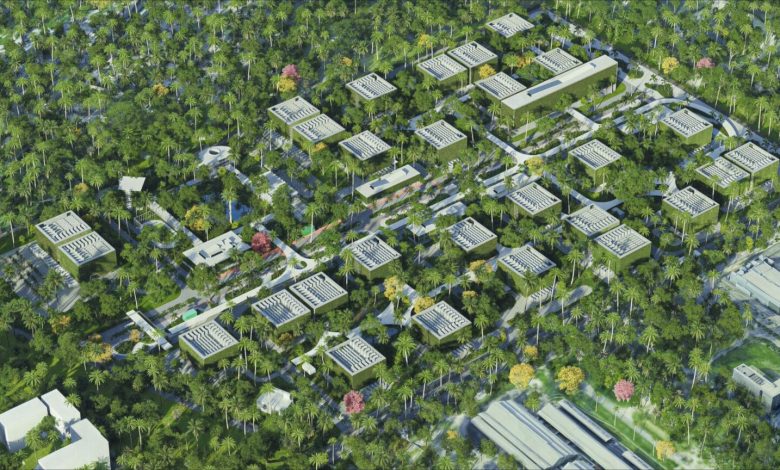
A responsible digital infrastructure project helps the area around it, rather than harming it. Considerations such as architectural design can enhance the surrounding environment through green spaces, public access areas, or visual cohesion with local aesthetics. These developments don’t need to feel like something new forced upon the area; instead, they can feel like a natural extension.
This commitment to community value can also include extending the life of natural resources, such as donating extra resources to city services or local groups. These types of visible contributions can make a data center more appealing to the community. It stops being only a resource consumer and starts becoming a creator of shared value.
Connecting IT to the City
The most overlooked component of digital infrastructure is human capital. A data center can elevate a region by cultivating a skilled workforce, generating long-term employment, and delivering social mobility. Structured training programs, especially those aimed at youth and underrepresented groups, turn technology into a public good rather than a private privilege.
This also translates to data centers becoming a key driver for economic opportunity and social mobility. Thus, data centers can be viewed as a utility built with the community that easily fits into the city plan. This offers equal opportunity access, with a data center acting as the “IT backbone.” It helps corporate clients as well as local shops, parks, and public services.
Partnership is the Key
The success in Brazil stems from good governance that collaborates with all associated parties. It aligns actively with city planners and local governments. Data center developers working directly with city leaders ensure digital expansion aligns with local development goals. When local leaders help plan, they become project supporters and, ultimately, see digital infrastructure as a shared asset.
A recent major AI infrastructure project in Rio de Janeiro embodies this principle. It formally unites the municipality, energy distributors, and notable technology partners in the shared mission of preparing the city’s ecosystem to meet global AI requirements.
Lessons from Brazil and large-scale AI projects there, highlight the need for ESG as a foundation. We don’t need to choose between building big and building responsibly. Sustainable growth means achieving both at the same time. Partnership with the community is the only way to get and keep public trust.
The success of this approach is demonstrated through new, highly sustainable digital hubs now operating in Brazil. It shows that when developers listen to local needs, digital infrastructure can become an economic engine and a social asset. This model creates shared value for everyone and acts as a true example of what the global digital infrastructure industry is capable of.