Eighty-six percent of medical affairs professionals say they’re confident AI will make their function more efficient over the next two to three years, according to a 2026 industry benchmark survey from BP Logix.
In fact, only 20% describe their own organization as leading edge in actually using it. That gap, between what the industry believes and what it’s built, is the space Articulate 2026 is walking into.
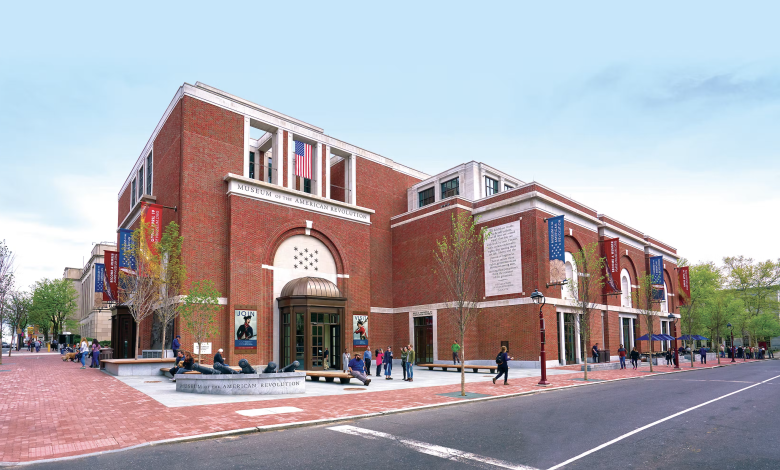
The invitation doesn’t open with that stat, or with an adoption curve. Instead, it starts with George Washington’s actual field tent, on display at the Museum of the American Revolution in Philadelphia.
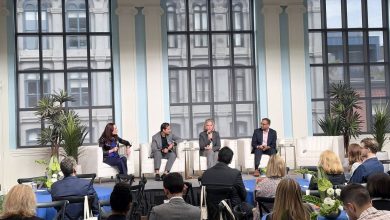
Prezent, the first Life Sciences partner combining purpose-built AI with human expertise, is holding the summit on October 1, capping it at 100 attendees. Rather than a CES type of experience, the intimacy is an important point.
The agenda itself is more structured than most conferences are, running a single track from 9 am to 7:30 pm, and it leans into the venue’s 250th-anniversary framing throughout.
There’s a networking prompt at arrival, “What communication moment changed the outcome of your work?”, and another at lunch asking attendees to name the best scientific communication they saw all year and explain why it worked.

That list of attendees includes decision makers from Novartis, Novo Nordisk, Johnson & Johnson, Pfizer, GSK, Roche, and Bayer, alongside academics like Emily Falk, Vice Dean at the University of Pennsylvania’s Annenberg School.
The panels are built around that same tension between belief and action. One session, “What History Teaches Us About Resistance,” takes on where AI meets hesitation inside biopharma directly, rather than assuming the hesitation away.
In the closing session, Prezent CEO Rajat Mishra will speak with senior biopharma executives about what communication looks like in 2030, closing out the day on the forward-looking note.
Someone clearly thought through the emotional arc of a five-hour agenda and decided it needed to end on applause rather than a panel; a small detail, however the kind that tells you this was designed by people who understand that a room full of communicators will notice how the day itself is communicated.