As an AI founder currently raising capital and operating between Oman and the UAE, and closely connected to startup ecosystems across Saudi Arabia, Bahrain, Kuwait and Qatar, I would describe the current mood as alert, but not alarmed.
The ongoing war has introduced emotional weight into the region. There is concern at a human level. But from a startup and investment perspective, what I’m observing is measured recalibration rather than disruption.
Founders who are raising capital are definitely feeling more scrutiny. Investors are moving carefully, reassessing risk exposure, and stretching due diligence timelines. Conversations are more focused on resilience: cash runway, revenue visibility, regional diversification, and operational flexibility.
However, this is not a freeze. The GCC startup ecosystem today is fundamentally different from a decade ago. It is structurally backed by sovereign capital, national transformation agendas, and long-term economic diversification strategies such as Oman Vision 2040, UAE Artificial Intelligence Strategy 2031, and Saudi Vision 2030. These programs are not short-term market reactions, they are generational shifts.
Because of that, investor appetite may slow, but it is unlikely to disappear.
In AI and FinTech specifically, the demand drivers remain strong:
- Governments are digitizing services.
- Financial systems are modernizing.
- Enterprises are pushing for automation and efficiency.
- Sovereign funds continue allocating toward innovation as part of long-term diversification.
However, what may change is behavior. In my view, founders in the region will need to adapt to the following shifts:
- Longer fundraising cycles – investors will take more time, but quality founders will still close.
- Stronger preference for revenue generating startups over purely growth-driven models.
- More regional consolidation startups may focus on strengthening presence in one or two GCC markets rather than aggressive global expansion.
- Increased interest in defence tech, cybersecurity, AI infrastructure, and financial stability tools.
Wars reshape capital flows, but they also accelerate technological self-reliance. The GCC has significant fiscal buffers compared to many regions globally. Sovereign wealth funds across the UAE, Saudi Arabia, Qatar and Kuwait were built precisely to absorb volatility. That gives the startup ecosystem a level of insulation.
From my personal standpoint, I am realistic but optimistic. Realistic because geopolitical instability always affects investor psychology. Here’s why: Optimistic because the Gulf has matured.The ecosystem is no longer hype-driven, it is strategy-driven. Governments are committed to reducing oil dependency, building digital economies, and positioning the region as a global AI and FinTech hub. That trajectory is unlikely to reverse.
What does this mean for our businesses? Despite everything happening in the region right now, the teams at Tawjih and MVSxAI aren’t slowing down. We’re heads-down on product development, getting ready for upcoming launches, and keeping our fundraising conversations moving.
Tawjih AI is delivering mission-critical AI solutions specifically designed for the Banking, Telecommunications, and E-commerce sectors, where digital transformation is moving at lightning speed.
MVSxAI is tackling the complex infrastructure of the Oil & Gas and Energy sectors, providing the intelligence and surveillance needed to optimize operations in a shifting global market.
We’re seeing great traction from partners and customers who need these AI tools now more than ever, and it’s keeping us focused on building things that actually solve their problems.
If anything, periods of instability often create stronger founders. They force discipline, efficiency, and clarity of vision.The future of the GCC startup ecosystem will not be defined by this war alone. It will be defined by how founders adapt, how governments continue executing national strategies, and how capital prioritizes resilience over speculation.
My belief is that five years from now, we will look back at this period not as a setback but as a stress test that strengthened the ecosystem.
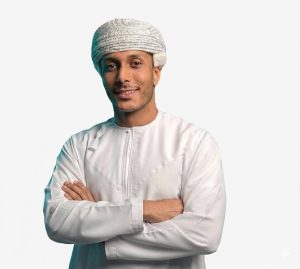
To connect with Ali Al-Marjibi, follow:https://www.linkedin.com/in/ali-almarjibi/ and to learn more about E&E Business Solutions, email: [email protected]