



Why the Ford Transit Has Become a Go-To Platform
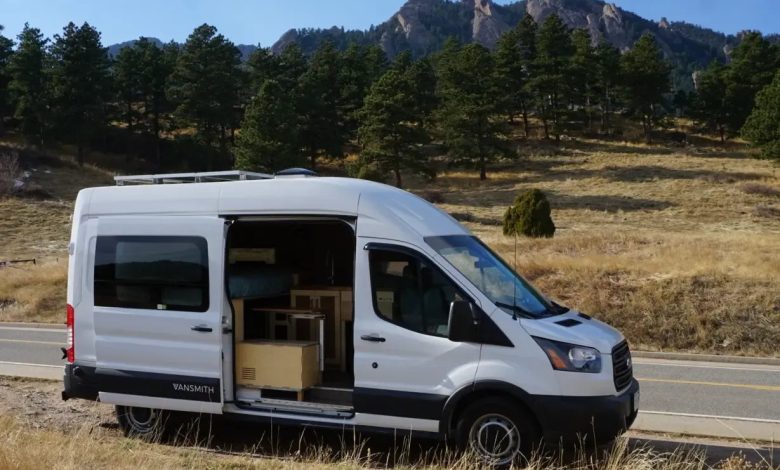
Over the past several years, the Ford Transit has become one of the most widely used platforms for camper van conversions. Its growing popularity is tied to a combination of availability, interior space, and flexible configurations that appeal to both first-time builders and experienced travelers.
Unlike some other vans in its category, the Transit offers multiple roof heights and wheelbase options, making it adaptable to different types of builds. For those looking to create a mobile living space, this flexibility allows for a range of layouts, from simple weekend setups to more complex, full-time living environments.
For a closer look at factory configurations and available options, Ford provides a detailed overview of the Transit lineup, which can help illustrate why it has become such a versatile platform.
Starting With a Blank Canvas
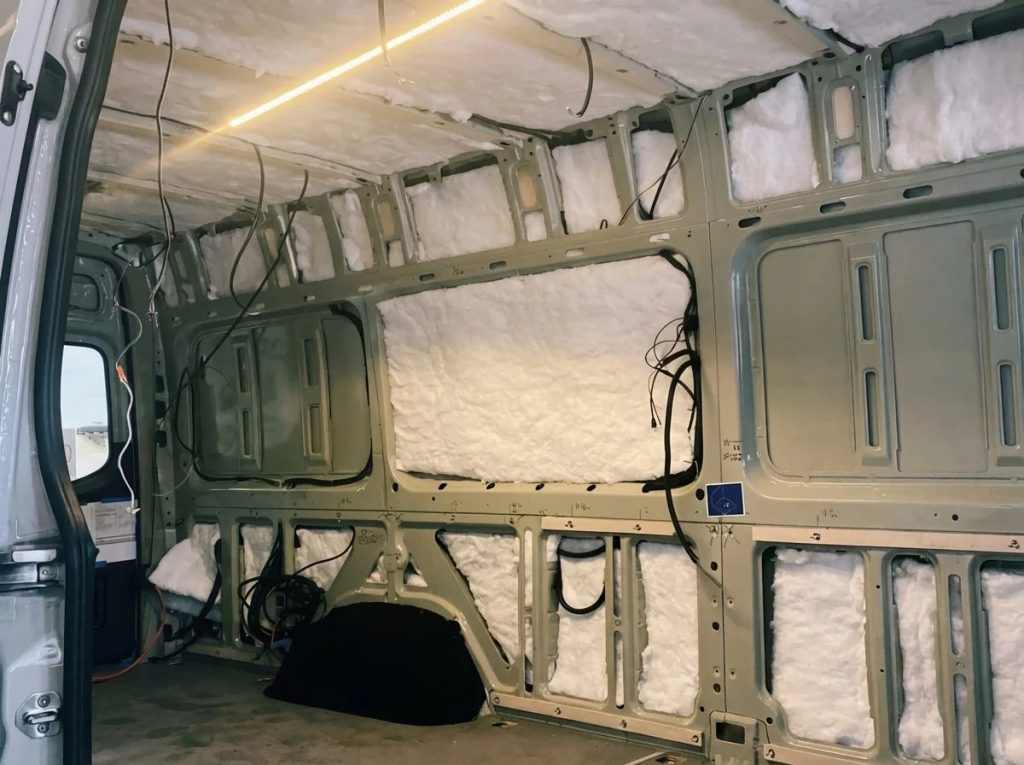
Every conversion begins with an empty shell. At this stage, the focus is less about aesthetics and more about planning. Decisions made early in the process will determine how functional and comfortable the finished van becomes.
Key considerations often include how the van will be used, how many people it needs to accommodate, and whether it will support full-time living or occasional travel. These factors influence everything from bed placement to storage capacity.
Layout planning is typically the first major step. Some designs prioritize open space, while others maximize storage and built-in features. In a Ford Transit, higher roof options allow most people to stand fully upright, which can significantly affect comfort during extended use.
Insulation, Ventilation, and Climate Control
Before any interior structures are built, insulation and ventilation systems are installed. These elements are critical for maintaining a comfortable interior environment across different climates.
Insulation helps regulate temperature and reduce condensation, while ventilation systems, such as roof fans, allow for airflow and moisture control. In colder regions, additional heating systems may be required, while warmer environments may rely more heavily on airflow and shading.
Poor insulation or ventilation can lead to discomfort and long-term issues such as mold, which is why many builders emphasize proper material selection and airflow design when planning a build. For a deeper explanation of material options and performance, this guide on RV insulation provides helpful context.
 Building the Electrical System
Modern camper vans rely heavily on electrical systems to support daily life. From lighting and refrigeration to charging devices and running appliances, power management is central to the overall functionality of the van.
Most Transit conversions include a combination of batteries, charging systems, and sometimes solar panels. The complexity of these systems can vary widely depending on how the van will be used.
For example, a simple weekend van may require only basic power for lights and small devices, while a full-time setup may include larger battery banks and more advanced energy management systems. For those new to this part of the build, learning the fundamentals of off-grid power systems can help clarify what is needed at each level.
Water Systems and Daily Functionality
Water systems add another layer of convenience but also increase complexity. Some builds use portable water containers, while others incorporate fixed tanks, pumps, and sinks.
The choice often depends on how frequently the van will be used and the level of self-sufficiency desired. For longer trips or full-time living, integrated systems can make daily routines more manageable.
However, these systems require maintenance and planning, particularly when it comes to refilling water and managing waste.
Interior Build and Layout Design
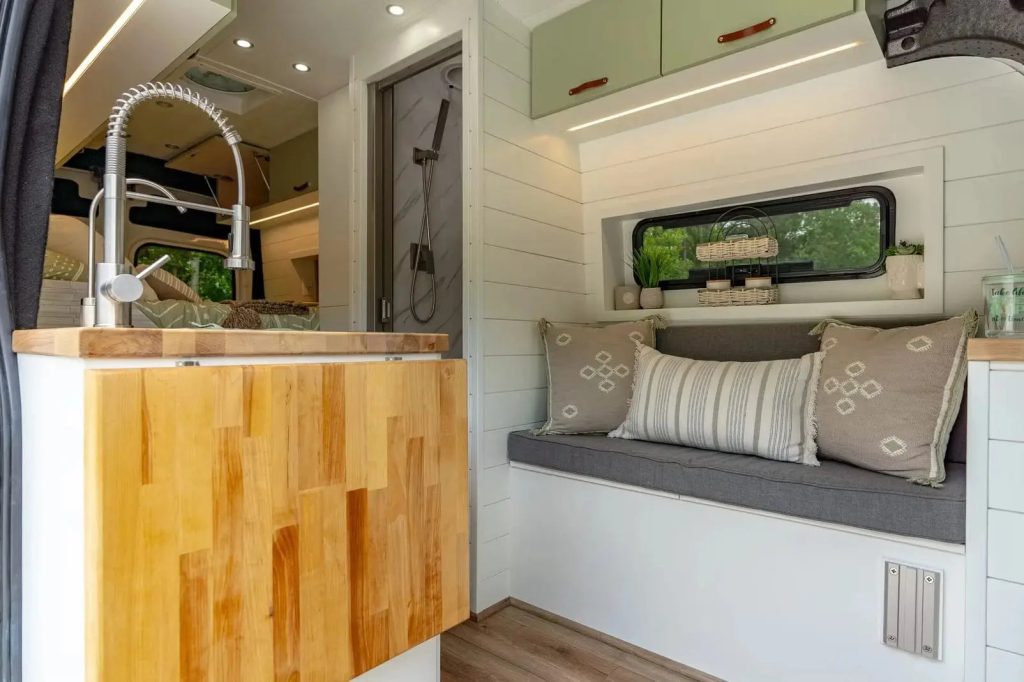
Once the core systems are in place, the interior begins to take shape. This phase includes cabinetry, flooring, seating, and sleeping areas.
In a Ford Transit, layout flexibility allows for different configurations depending on priorities. Some builds emphasize a fixed bed for convenience, while others use convertible spaces to maximize daytime living area.
Material choices also play a role. Lightweight materials are often preferred to reduce overall vehicle weight, while durable finishes help the van withstand long-term use.
Cost Considerations Along the Way
The cost of converting a Ford Transit into a camper van can vary significantly based on build complexity, materials, and whether the work is done independently or professionally.
Basic conversions may stay within a lower budget range, while more advanced builds with full electrical and plumbing systems can increase costs substantially. Labor is also a major factor, especially when working with experienced builders.
DIY vs Professional Builds
One of the biggest decisions in any van conversion is whether to take a do-it-yourself approach or work with a professional builder.
DIY builds offer more control and can reduce costs, but they require time, tools, and a willingness to learn multiple skills. Professional builds, on the other hand, provide experience, efficiency, and often a higher level of finish.
For those unfamiliar with the process, reviewing completed builds can provide helpful context for what is possible at different levels.
Bringing It All Together
As each phase is completed, the van gradually transforms from an empty shell into a functional living space. The process is rarely linear, and adjustments are often made along the way.
Attention to detail becomes increasingly important in the later stages, particularly when it comes to storage, lighting, and overall usability. Small design choices can have a significant impact on how the space feels and functions day to day.
Learning From Completed Builds
Seeing how others have approached similar projects can provide valuable insight. Layout decisions, material choices, and system integrations are often easier to understand when viewed in a finished space.
For those exploring professionally built options, reviewing completed Transit builds from companies such as The Vansmith can provide a clearer understanding of how different layouts and systems come together in real-world use.
Final Thoughts
Converting a Ford Transit into a camper van is both a technical project and a creative process. From the initial empty shell to the finished living space, each step plays a role in shaping how the van performs and feels over time.
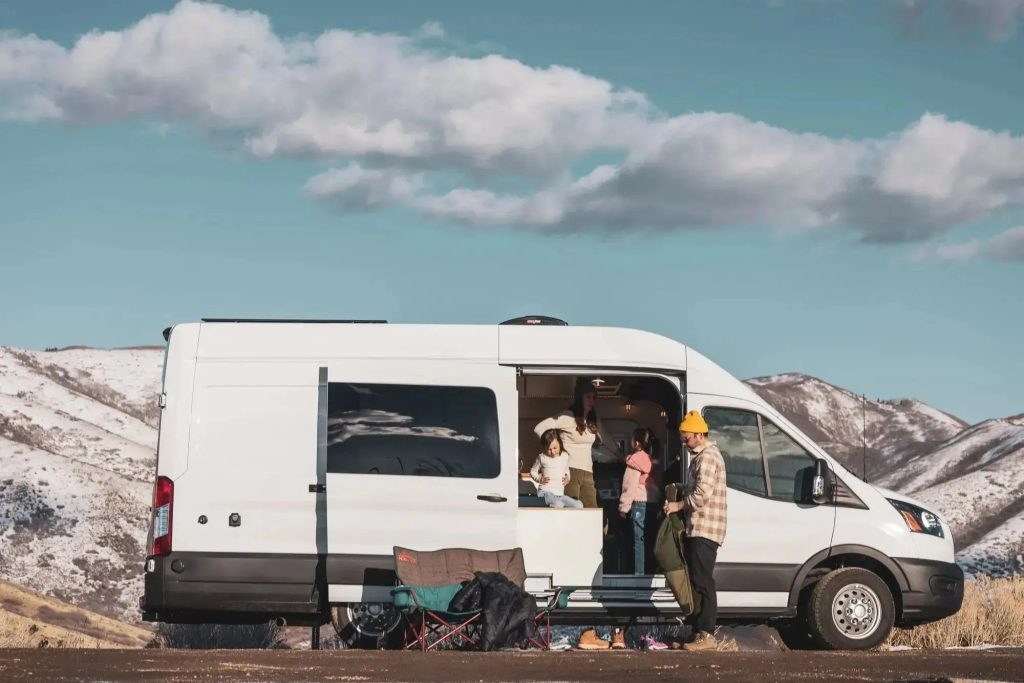
While the process requires planning and effort, it also offers a level of flexibility that traditional travel and housing options often cannot match. For many, the result is not just a vehicle, but a space designed around how they want to live and explore.