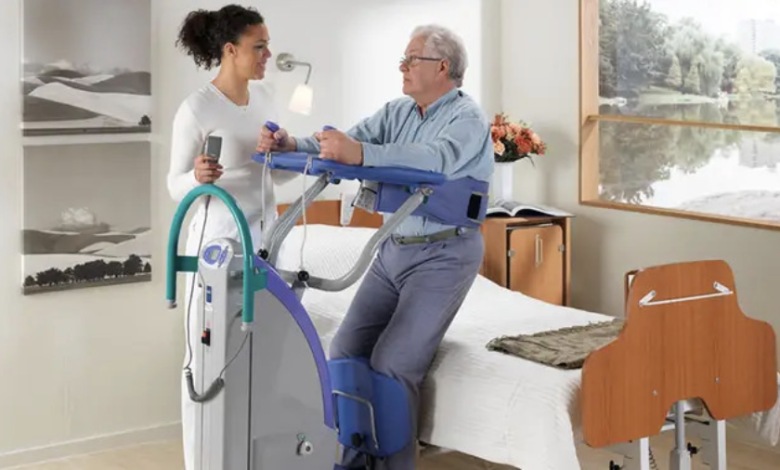
For today’s seniors, aging in place is no longer just a preference — it has become a defining goal. Remaining at home supports dignity, emotional stability, comfort, and quality of life. However, maintaining independence safely requires one critical factor: mobility.
The ability to move confidently, prevent falls, and navigate daily routines often determines whether seniors can continue living independently. This is where smart health aids — increasingly powered by artificial intelligence and sensor-driven technology — are transforming the future of aging.
Rather than replacing human capability, modern mobility solutions enhance stability, reduce physical strain, and introduce protective layers of invisible safety.
Mobility: The Foundation of Independent Aging
Mobility is directly linked to autonomy. When seniors can move safely and confidently, they are more likely to:
- Prepare meals independently
- Maintain personal hygiene
- Engage in hobbies
- Socialize regularly
- Participate in light physical activity
When mobility declines, fall risk rises. Falls remain one of the leading causes of injury among older adults, often triggering hospitalization and long-term mobility loss.
Technology-driven mobility support bridges the gap between physical limitations and independent living — without removing personal agency.
How Smart Health Aids Support Aging in Place
Modern mobility-targeted health aids are specifically designed to fulfill three major goals: comfort, safety, and adaptability.
Enhancing Stability and Balance
As people age, balance typically declines, making structured mobility support essential for safer movement at home. Modern mobility walking aids are designed to address age-related changes in balance while maintaining ease of use.
These products enhance stability through thoughtfully engineered designs that support safe aging in place, as they offer:
- Reinforced support frames
- Even weight distribution
- Anti-slip surfaces
- Shock-absorbing materials
Increased stability eliminates the chances of falls and develops confidence in the seniors’ daily lives. Seniors will be more active when they feel secure, whether walking or standing.
Supporting Outdoor Independence
Emotional well-being is closely linked to outdoor mobility, which encourages social engagement and community participation. Smart mobility aids focus on durability and portability, enabling older adults to walk outside, travel longer distances, and overcome various conditions.
They restore a senior’s confidence outdoors through their:
- Lightweight frame structure
- Foldable or portable features
- Long-lasting weather materials
- Extended support for stability
Moving independently outdoors reduces feelings of isolation and promotes social interactions. Seniors stay well-connected to their community, which uplifts their emotional well-being and improves their physical mobility.
Reducing Physical Strain
Rigid joints, muscle weakness, and arthritis tend to lead to fatigue during everyday movement. Smart senior mobility equipment focuses on ergonomic accuracy, which protects the joints in danger without impeding natural mobility.
They assist in alleviating physical work through the following:
- Comfortable grip design
- Ergonomic alignment with natural body mechanics
- Lightweight construction materials
- Adjustable height settings
Strain reduction may help reduce energy depletion, enabling seniors to devote more energy to structured activities. With improved mobility support, they will be more comfortable. Moreover, it helps them to avoid fatigue and remain lively during the day.
Supports Safe Indoor Navigation
In an indoor environment, when a senior chooses to age in place, it can become a trap for hidden hazards, including uneven flooring, small spaces, or slick floors. Smart mobility aids are designed to enable freedom of movement while maintaining controlled, stable navigation. It assists elderly people in moving around their familiar areas more freely and confidently.
They enhance home safety through:
- Small or negligible turning radius
- Protective traction control
- Stable base for movement
- Seamless directional control
Better movement indoors will help seniors move freely around the room. This helps in avoiding the risk of isolation in a small area, favoring active involvement in domestic activities.
Integrating Protective Technology
Today, smart mobility support increasingly uses discrete, safety-enhancing technologies that do not affect dignity. The added comfort for seniors and their families is present in the integrated systems, and the simplicity in daily life is not lost.
The characteristics that they add in order to promote protection include:
- Fall detection alerts
- Emergency call functions
- Location tracking systems
- Health data integration
Mobility support is tech-based, adding an invisible safety layer to seniors’ lives. Seniors retain their independence, while families gain peace of mind through responsive monitoring systems.
Encouraging Daily Activity and Movement
Regular exercise is a crucial factor in maintaining muscle strength, circulation, and coordination in the elderly. A smart mobility-based health aid enables seniors to remain physically active without overexerting or risking injury in or outside the home.
They encourage active lifestyles with the help of the following features:
- Controlled movement assistance
- Energy-saving support design
- Smooth motion control
- Reduced fatigue impact
Encouraging safe daily activity preserves muscle tone and flexibility. With proper support, seniors remain physically engaged, reducing long-term health decline linked to inactivity.
Adapting to Changing Mobility Needs
Mobility needs usually change over time, whether due to aging, illness, or post-injury. Smart health aids are developed with flexibility in mind, allowing them to be modified over time to fit changing levels of strength, balance, and endurance.
Their adaptability to changing requirements is through:
- Adjustable structural settings
- Custom comfort features
- Flexible support levels
- Progressive stability control
Flexible movement support prolongs the usability. Seniors are independent and do not immediately move to more restrictive or institutional levels of care when their needs change.

Planning for Successful Aging in Place
Aging in place successfully typically starts with early planning. Waiting until a fall occurs often limits available mobility options.
A structured approach will include:
- Evaluating the layout of the home for mobility challenges
- Discussing or consulting with healthcare professionals
- Choosing smart mobility aids aligned to a senior’s current or future needs
- Encouraging consistent usage
Early adoption helps seniors age comfortably with the right support before their mobility becomes extremely limited.
The Future of Smart Aging
Aging in place is not simply about remaining at home — it is about preserving autonomy and dignity. Artificial intelligence, predictive analytics, sensor technology, and smart home integration are redefining how independence is preserved in later life — shifting care from reactive to predictive. From fall prediction to adaptive movement assistance, modern smart health aids are becoming more intuitive, more personalized, and more protective.
The future of aging is not about restriction. It is about empowered independence — supported quietly by intelligent technology.