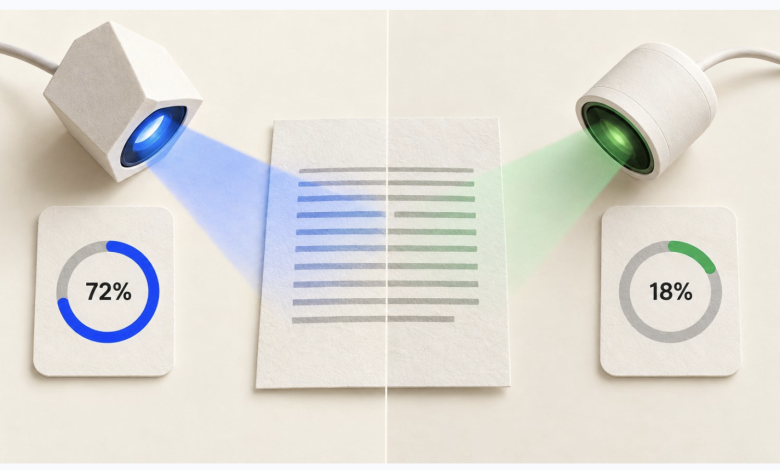
You paste the same paragraph into two different AI detectors. One says 22% AI. The other says 71%. Nothing about your text changed between the two checks, so what changed was the tool.
AI detectors don’t measure truth, they measure probability. Each one runs your text through a classifier trained on its own dataset, using its own mix of signals like perplexity and burstiness, then outputs a score based on patterns that dataset taught it to associate with AI writing. Different training data and different weighting produce different scores on identical text, and that’s the root cause of the disagreement you’re seeing. That is how AI detectors work, and it’s also why they so often disagree.
This matters because a flagged essay or article can cost you a grade, a client, or a job offer if you treat one score as a verdict instead of a guess. Below, you’ll find how the scoring pipeline works, why GPTZero, Turnitin, and Originality.ai land on different numbers for the same paragraph, who gets falsely flagged and why, and what to do the next time a detector lights up red.
What an AI detector measures
An AI detector isn’t a lie detector. It has no record of who typed what. It’s a classifier, a program trained on thousands of labeled human and AI text samples, and it makes a statistical guess based on patterns it learned from that training set.
Perplexity: how predictable is each word
Perplexity measures how predictable each word choice is to a language model. AI models generate text by picking the statistically likely next word, so AI writing tends to have low perplexity. Human writing includes more unexpected word choices, odd phrasing, and personal quirks, which pushes perplexity higher.
Burstiness: how much sentence rhythm varies
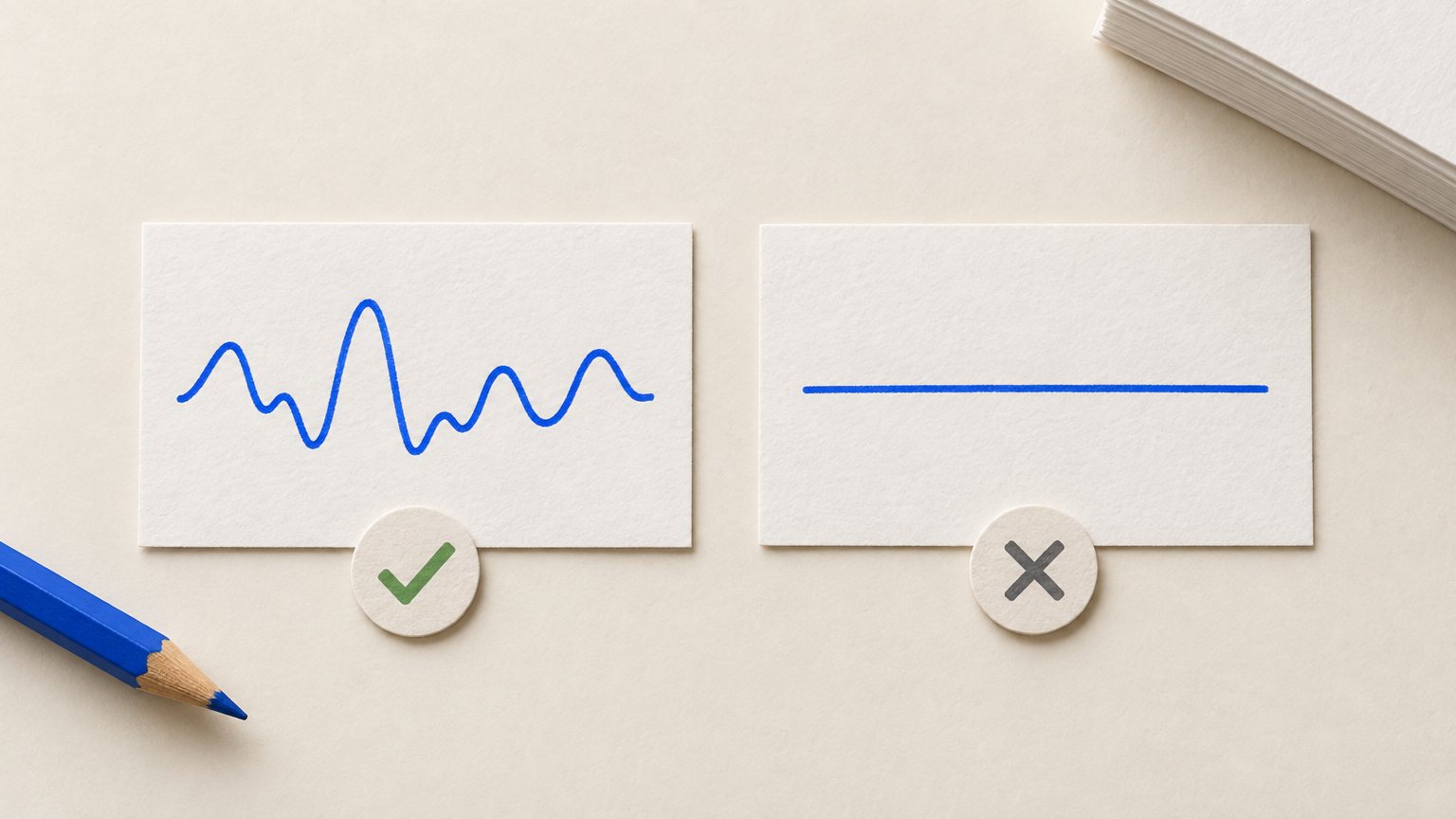
Burstiness measures how much sentence length and rhythm swing across a piece of text. Human writers naturally mix short, blunt sentences with longer, winding ones. AI-generated text tends toward a more uniform pace, sentence after sentence landing near the same length, which is a signal detectors look for.
The output of all this is a probability score, a percentage like “AI likely,” not a verified fact about who wrote the piece. That number is a guess dressed up as a statistic.
How a detector turns your text into a score
Every detector, regardless of brand, runs your text through roughly the same four-step pipeline. Knowing these steps helps you understand where two tools can diverge on the same input.
- Preprocessing: the tool strips formatting, normalizes punctuation, and cleans up the raw text before any analysis begins.
- Feature extraction: it pulls measurable traits out of the text, including sentence length, word rarity, syntax patterns, and semantic coherence.
- Classification: a trained model compares those extracted features against patterns it learned from labeled human and AI datasets.
- Scoring: the tool outputs a probability score, and some tools add sentence-level highlighting to show exactly which parts triggered the flag.
Each detector company decides how much weight to give perplexity versus burstiness versus syntax patterns in that third step. That weighting decision, made privately by each company, is the real reason the same paragraph can score low on one tool and high on another.
Why GPTZero, Turnitin, and Originality.ai disagree on the same text
Each detector is trained on a different slice of the internet, and that slice shapes what the tool considers “normal” human writing. A tool trained mostly on student essays will read professional marketing copy differently than a tool trained on blog posts and web content.
That training difference shows up directly in tone-matching. GPTZero built its reputation around catching AI use in student essays. Turnitin is tuned around academic prose specifically, the kind of writing professors see in research papers. Originality.ai leans toward web content and marketing copy. Feed the same paragraph to all three, and each one is measuring it against a different idea of “normal.”
There is also no shared industry standard for what percentage counts as flagged. One tool’s internal threshold for “likely AI” can sit far from another’s, and neither company publishes exactly where that line falls or why.
Here’s a simplified look at how the three differ in focus:
| Detector | Common setting | What it emphasizes |
|---|---|---|
| GPTZero | Classrooms, student essays | Sentence and paragraph-level patterns tied to student writing |
| Turnitin | University coursework, academic papers | Academic prose norms and formal structure |
| Originality.ai | Blogs, marketing copy, web content | Web writing patterns and SEO-style content |
None of this means one tool is “right” and the others are “wrong.” It means they’re answering slightly different questions, even when you feed them the exact same paragraph.
Who gets falsely flagged, and why
Some writers get caught by these tools more often than others, and it usually has nothing to do with whether they used AI.
- Technical and legal writers: precise terminology, consistent structure, and a formal tone can mimic the low-perplexity patterns detectors associate with AI output.
- Non-native English speakers: simpler sentence structures and more common word choices reduce burstiness, which nudges scores toward “AI-like” even in fully human writing.
- Short samples: detectors need enough words to build a reliable pattern. A paragraph of a few sentences often produces shaky, low-confidence results.
- Formulaic writing: five-paragraph essays, listicles, and templated business writing score higher AI probability because of their predictable shape, regardless of who wrote them.
Formal historical documents with steady tone and rigid structure have also been flagged in detector testing. That pattern points to something important: detectors respond to style, not to actual origin. A document written centuries before AI existed can still trip the same alarms as a chatbot output, because the alarm is tuned to structure, not authorship.
What to do when a detector flags your writing
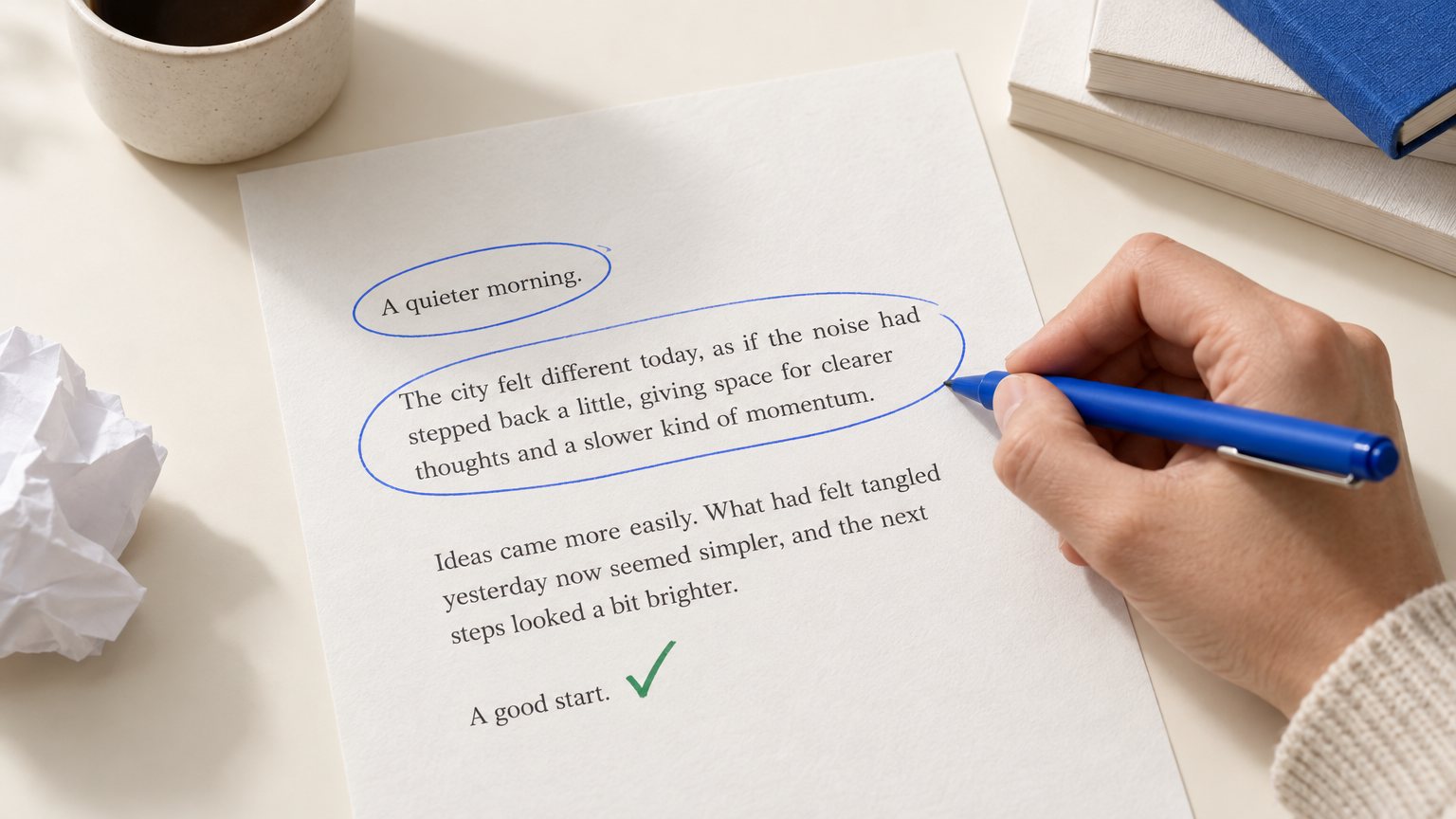
A single score is one data point, not a verdict. Before you panic or start rewriting from scratch, work through this instead.
- Run the text through two or three detectors, not just one. If they disagree sharply, that disagreement itself is useful information: it tells you the score is on shaky ground rather than a confident, unanimous call.
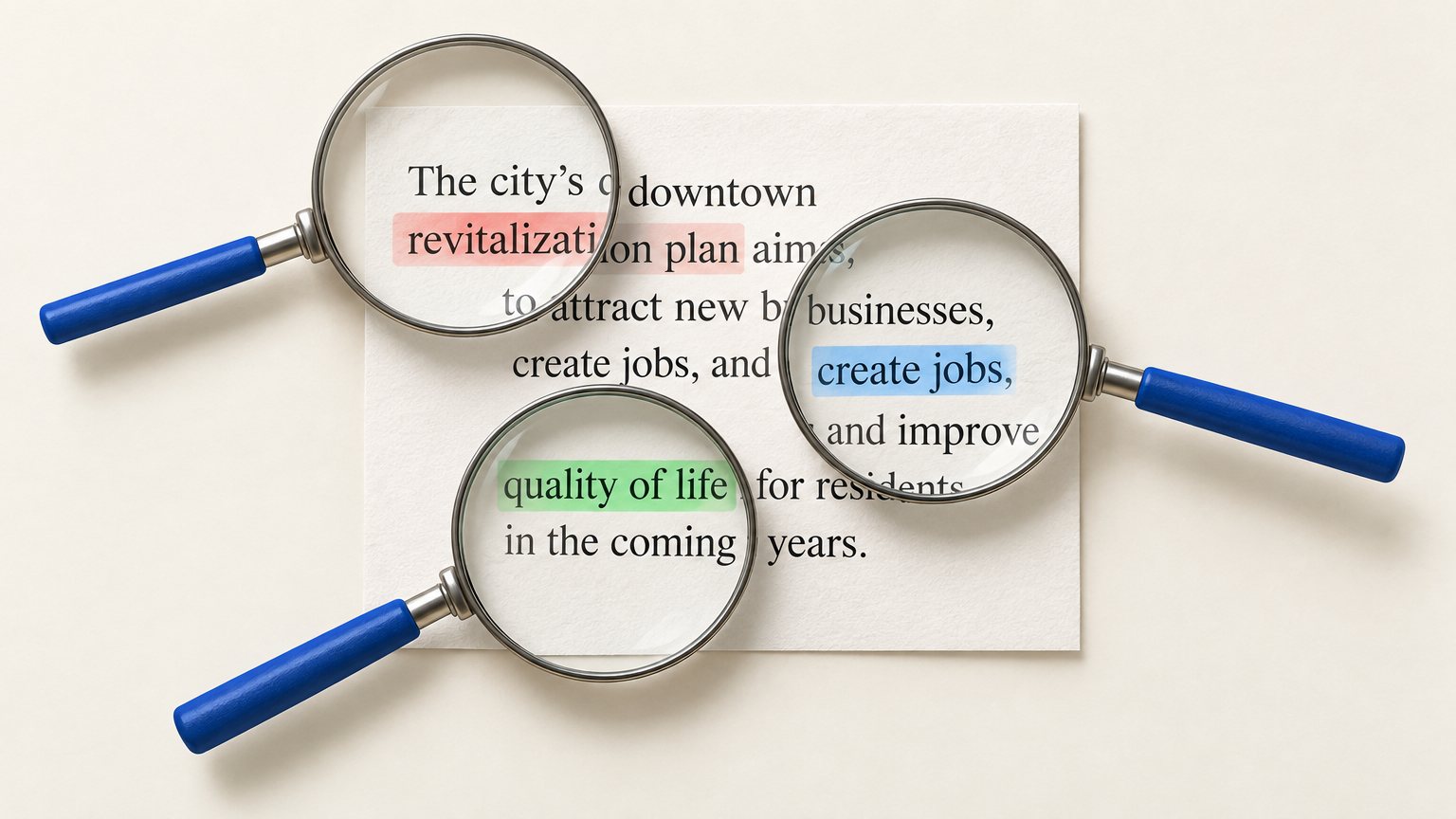
- Read the specific flagged sentences. Most tools highlight the exact lines that triggered the score. Look for repetitive phrasing, uniform sentence length, or flat rhythm, since those are the actual patterns detectors respond to.
- Revise by ear, not by score-chasing. Vary your sentence length on purpose. Swap a generic claim for a specific detail. Break up a string of same-length sentences with one short, blunt line.
- If a draft started with AI assistance and needs to sound like your own voice instead of default AI phrasing, a tool like Natural Write can rework sentence rhythm and word choice so the final version reads naturally instead of templated.
- Keep your drafts and version history, especially for school or work, so you have something to show if a single percentage becomes the center of a dispute.
How much should you trust one score
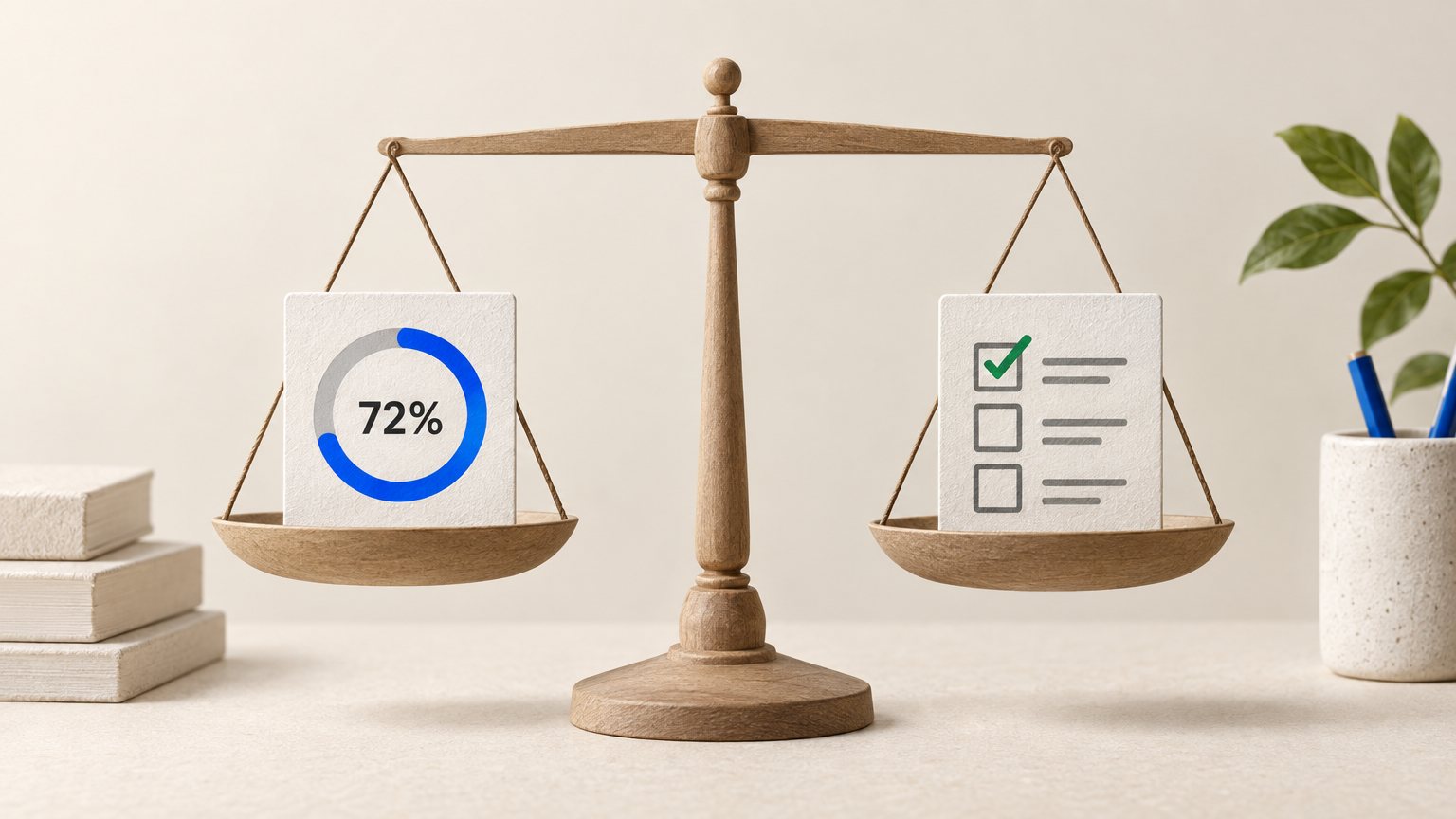
Treat every detector output as a probability, never as proof. Even the most confident tools carry a real false positive rate, meaning some human writing will always get flagged no matter how the algorithm improves.
Context changes the stakes. A flagged score on a routine marketing blog post is a minor annoyance. A flagged score in an academic integrity case can threaten a grade, a transcript, or admission status. The higher the stakes, the more a single percentage needs human review before anyone acts on it.
A quick trust checklist
- Do two or more detectors agree, or is the result split?
- Is the sample long enough to analyze reliably, roughly a few hundred words or more?
- Does the relevant policy avoid treating one score as automatic proof of misconduct?
- Have the actual flagged sentences been read by a person, not just the percentage?
When something still feels uncertain after that checklist, ask the writer for drafts, notes, or version history instead of leaning on the percentage alone. A writing process leaves a paper trail that a single score never can.
Run your flagged text through a second detector today and compare the highlighted sentences side by side. If the tools disagree, trust the checklist above over either number, and revise the specific sentences that triggered the flags rather than the whole piece.
FAQ
Can AI detectors ever be 100% accurate?
No. Every detector works from probability, not certainty, and even well-regarded tools produce false positives on human writing. Treat any score as an indicator worth investigating, not a final answer.
Do AI detectors work well on non-English text?
Most detectors are trained primarily on English text, so their accuracy drops on other languages. Simpler sentence patterns common in second-language writing can also trigger false flags even within English content.
Why does my own writing get flagged as AI when I did not use AI at all?
Formal tone, consistent sentence structure, and technical or precise vocabulary can resemble the low-perplexity, low-burstiness patterns detectors associate with AI text. This affects technical writers, legal writers, and non-native English speakers more often than casual writers.
Should a school or employer treat one AI detector score as proof of cheating?
No single score should count as proof on its own. A responsible policy uses the score as a starting point, then reviews the specific flagged sentences and considers drafts or version history before making any accusation.