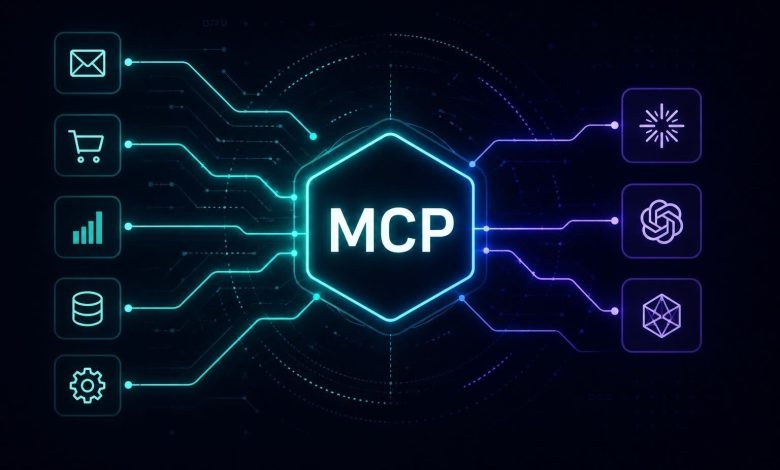
For the longest time, software companies operated with a very clear goal in mind – get as many users as you can, and keep them on your platform for as long as you can. In fact, SaaS platforms were designed specifically for this very purpose. They typically didn’t have any external links, and relied on native local tools and functionalities that were a worse version of available alternatives. Suboptimal, but it makes perfect sense if you measure success by the number of daily active users and time on platform.
However, that world no longer exists. Closed ecosystems are quickly going out of fashion. Why? Because, in the modern world, success is only possible if you open up your tools to the outside instead of closing them off.
Why does the old model need to change?
The traditional SaaS model was very straightforward. Business clients need some tools for their daily operations, and SaaS companies provide them. Workflows get streamlined, productivity increases, everything runs smoother, and everyone is happy.
There is only one problem.
When you intentionally develop a closed-off ecosystem, issues eventually arise. At first glance, everything seems fine. Businesses are buying your subscriptions, your cash flow is steady, and perhaps there are even some copycats.
Yet, as the market matured, it became quite obvious that closed ecosystems aren’t the way to go. Modern business is all about effectively integrating different tools and data silos, and simply optimizing your costs. That’s impossible when you’re forced to use separate platforms for every task. At some point, it became necessary to rethink how we treat software.
MCP is here to change things
Modern businesses need seamlessly integrated, interconnected digital environments that go beyond increasing productivity and don’t close them off from the outside world in a gated online community. They expect tools that create actual value across the entire chain.
Enter MCPs.
They let AI models connect directly to external tools, data sources, and services, instead of relying on separate integrations for every platform. This means users can interact with a company’s tools, data, or workflows directly through the AI assistant they already use, rather than switching over to that company’s own app or website. In other words, no more closed off, separating you from the outside world. In effect, AI assistants turned into an access point for all sorts of different services.
For businesses that are used to spending a lot of money on different SaaS platforms, this is a game changer. It gives them the ability to reach their tools through an LLM they probably use every day anyway. It’s a 180-degree shift from the conservative approach of “stay on our platform” at all times, to “take our platform wherever you go.”
How do we approach MCP?
For us, closed-off SaaS platforms were never a way to go. The goal has always been helping our clients increase their revenue. If they do, it means you have a good product. And in order to provide actual value, you have to meet vendors where they are and integrate your product with the tools that they actually use.
We can clearly see that the usage of MCPs is becoming the norm. 3,770 brands have already connected Omnisend to LLMs. The number grows by 100 to 120 new brands every day. Returning usage is also increasing every week. Currently, 290 brands use Omnisend in combination with LLMs every day.
LLMs are the most popular when it comes to everyday tasks. For example, the most popular prompt is something along the lines of “please audit my email marketing and score it out of 100“.
We’ve noticed that Claude is a clear winner when it comes to the B2B market. It accounts for the majority of our MCP activity. And by no accident. It strategically positioned itself around professional work, and users appear more willing to trust it with business workflows. Claude is clearly developing stronger habits among knowledge workers.
ChatGPT, on the other hand, is very much consumer-based. It dominates search and product research, so it’s very likely that the customer found out about your product or service through ChatGPT. So, it has its place in modern ecommerce, and GEO is without a doubt something that every business should invest in.
How are MCPs changing ecommerce?
The current shift in the industry can’t be ignored. Logins and time spent on the platform aren’t as important as they used to be. Nowadays, it’s all about being where your customers already are. MCPs make that possible. Failing to adapt to this shift will cost more than any subscription ever did. Instead of trying to keep users on your platform, build something that they can take with them wherever they go.