Key Takeaways
- Print services are evolving to complement digital media, not compete with it.
- Advancements in digital printing technology are driving industry growth.
- Personalization and sustainability are key trends shaping the future of print.
Table of Contents
- Introduction
- Print and Digital Coexistence
- Advancements in Digital Printing
- Personalization in Print
- Sustainability in Printing
- Security and Cloud Integration
- Future Outlook
- Conclusion
Introduction
The print industry continues to reinvent itself as the digital world rapidly evolves. Once thought to be outpaced by technological progress, print services now thrive by embracing new trends and blending seamlessly with various digital platforms. Rather than phasing out, print services integrate digital enhancements, expanding their value and relevance in an interconnected world. Organizations, marketers, and media companies now recognize the importance of well-designed print assets for leaving lasting impressions, supporting digital efforts, and serving diverse audiences. For effective solutions and creative approaches, many turn to experts like a printing company in Chicago, which can navigate the intersection of traditional and cutting-edge media. In today’s communications landscape, the relationship between print and digital is no longer one of competition but cooperation. As businesses seek to optimize their outreach and engagement, integrated strategies that use both print and digital channels enable stronger branding, improved targeting, and higher return on investment. This evolution signals a new era in which print offers tactile, personalized experiences, while digital enhances reach and measurement.
Print and Digital Coexistence
Organizations like AARP demonstrate the enduring power of print when combined with digital channels. AARP maintains a robust print magazine circulation while simultaneously expanding its digital footprint. This balanced strategy captures the strengths of both media: print’s credibility and longevity alongside digital’s immediacy and interactivity. Integrated print and digital campaigns offer greater creativity and impact. For example, QR codes and augmented reality applications can link print pieces to rich online experiences, while digital channels can amplify the visibility and measurable outcomes of print efforts. The key is leveraging each medium’s unique advantages to build more dynamic, compelling campaigns. While digital platforms enable rapid dissemination of information, print continues to resonate, especially among demographics who appreciate tactile experiences and privacy. A study by Forbes highlights that print materials engender deeper trust and higher retention rates than many digital-only alternatives. By understanding audience preferences, organizations can harness both media for maximum reach and resonance.
Digital Advancements in Digital Printing
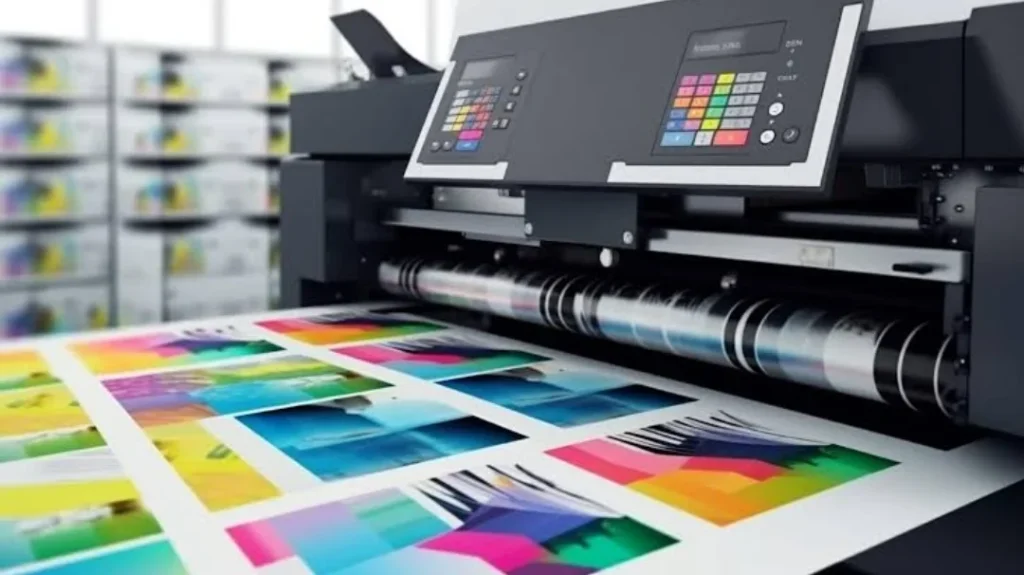
Technological developments continue to transform digital printing. The market for digital print is projected to expand significantly, with industry analysts forecasting a 54.3% increase in output by 2035. This robust growth is fueled by improvements in print quality and production speed, as well as lower costs and greater flexibility. Digital print no longer lags behind traditional offset in terms of color accuracy or resolution, making it an attractive option for customized, short-run, and on-demand projects. The ongoing shift toward digital print is also prompted by changing business needs. Companies require faster turnaround times, more variable data options, and flexible inventory management, which digital technologies expertly deliver. Print providers equipped with state-of-the-art digital presses are better positioned to serve evolving commercial and creative demands.
Personalization in Print
One of the most important shifts in the industry is the emphasis on personalized print experiences. Digital printers now offer advanced customization, enabling businesses to tailor content, imagery, and messaging for specific audiences. From targeted direct mail to custom catalogs and one-to-one marketing materials, personalized printing fosters higher engagement and conversion rates.
Marketers leverage data-driven insights to deliver print campaigns that speak directly to individual preferences and needs. Personalization increases relevance while enhancing the value of print as a touchpoint within the overall customer journey. As consumers expect more tailored communications, digital print helps brands rise to the occasion, turning every printed piece into a unique and memorable interaction.
Sustainability in Printing
Environmental responsibility is front and center for print services. The industry increasingly adopts eco-friendly materials, energy-efficient equipment, and recycling initiatives to reduce waste and limit carbon footprints. Sustainable practices now shape business operations and purchasing decisions, as many consumers assess brands by their commitment to the environment. Companies are choosing renewable resources, soy-based inks, and recycled paper for their printed materials. These steps not only minimize environmental impact but also boost brand credibility and foster customer loyalty among sustainability-minded buyers. As sustainability becomes a key differentiator, the print industry must continue investing in green innovation.
Security and Cloud Integration
As print services adopt more digital solutions, security and cloud-based operations become essential. Secure print workflows protect sensitive data, prevent information leaks, and comply with regulatory requirements. In parallel, cloud integration enables businesses to manage printer fleets, monitor usage, and facilitate real-time collaboration across locations. Businesses increasingly rely on cloud platforms to automate print management, centralize document storage, and streamline approval processes. These capabilities contribute to higher efficiency and lower operational costs, ensuring the print process is as safe and smooth as possible as organizations modernize their infrastructure.
Future Outlook
The future of the print industry lies in agility and adaptability. Embracing technological advances, focusing on customer-centricity, and embedding sustainable practices will keep print relevant as consumer behaviors continue to evolve. Print providers must remain open to collaboration and innovation as they integrate new software and hardware solutions to unlock additional value. Companies that invest in research, partnerships, and eco-conscious improvements are poised to thrive. As the boundaries between print and digital continue to blur, print will not disappear but rather transform, finding exciting new opportunities alongside digital channels.
Conclusion
In a digital world, print’s unique strengths ensure its place within the communications toolkit. Forward-thinking companies recognize that innovation, personalization, and sustainability will define the industry’s future. By capitalizing on technology and adapting to customer needs, print services can partner seamlessly with digital strategies, generating meaningful impact in the years to come. As businesses increasingly blend physical and digital experiences, print continues to deliver tactile engagement, brand credibility, and lasting impressions that digital channels alone cannot achieve. Emerging technologies such as automated workflows, variable-data printing, and eco-friendly materials are further enhancing efficiency and reducing environmental impact. This evolution positions print not as a replacement for digital media, but as a powerful complement that strengthens integrated marketing strategies and supports more meaningful audience connections across multiple platforms.