Introduction
Remote work has matured from a temporary operating model into a permanent part of modern business. Product teams, marketing departments, customer support groups, and distributed contractors now rely on communication tools to coordinate decisions, share files, and keep projects moving across time zones.
As artificial intelligence becomes more deeply integrated into the workplace, communication also carries a higher operational burden. Teams are exchanging more data, using more automated workflows, and making faster decisions across channels. This makes secure, reliable, and easy-to-access messaging tools more important than ever.
Choosing a communication platform is no longer a simple matter of picking the most popular app. Businesses need to evaluate security, cross-device compatibility, user onboarding, notification control, and long-term reliability. The right tool should support speed without weakening privacy or creating avoidable operational risk.
Why secure communication matters in AI-era workflows
AI-enabled teams often move faster than traditional teams. They summarize meetings, draft content, generate reports, and automate repetitive tasks. But faster workflows also create more frequent information exchange. Strategy notes, document drafts, client context, and project updates often move through communication platforms before they are finalized elsewhere.
If the messaging layer is unreliable or poorly managed, the entire workflow can suffer. Sensitive information may be shared in the wrong place, updates may be missed, and users may turn to informal tools that are difficult for managers to monitor. Secure communication provides the foundation for speed, accountability, and continuity.
Core evaluation criteria for remote teams
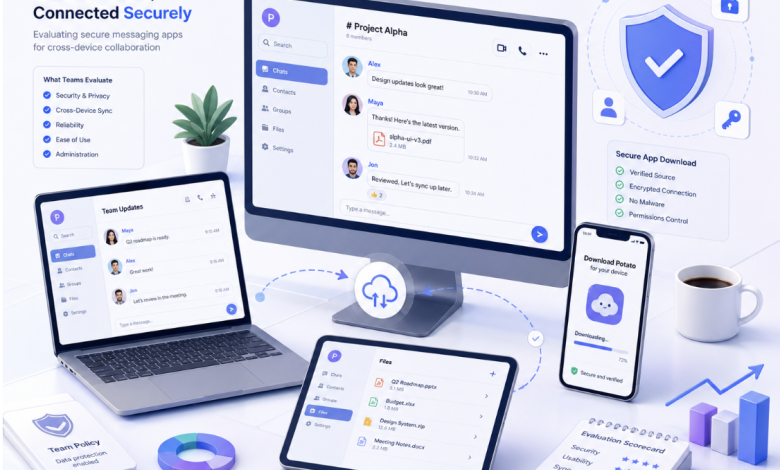
Remote teams should start by assessing how a communication app handles everyday work. It should be stable on mobile and desktop, easy to understand for new users, and practical for both one-to-one conversations and larger group coordination. Teams should also review how file sharing, search, notifications, and device synchronization work in real use.
Security and privacy settings deserve special attention. A tool should give users clear options for account protection, session management, and group privacy. For teams working with external partners or clients, these details directly affect trust and professionalism.
Safe access and localized download guidance
For users evaluating setup options and safer access methods, resources such as telegram 下载 can help explain download paths, platform choices, and basic setup considerations before a tool is introduced into daily communication workflows.
Teams with Android-focused users may also need clear guidance around telegram 安卓下载 so that mobile onboarding remains consistent, easier to support, and less dependent on scattered third-party instructions.
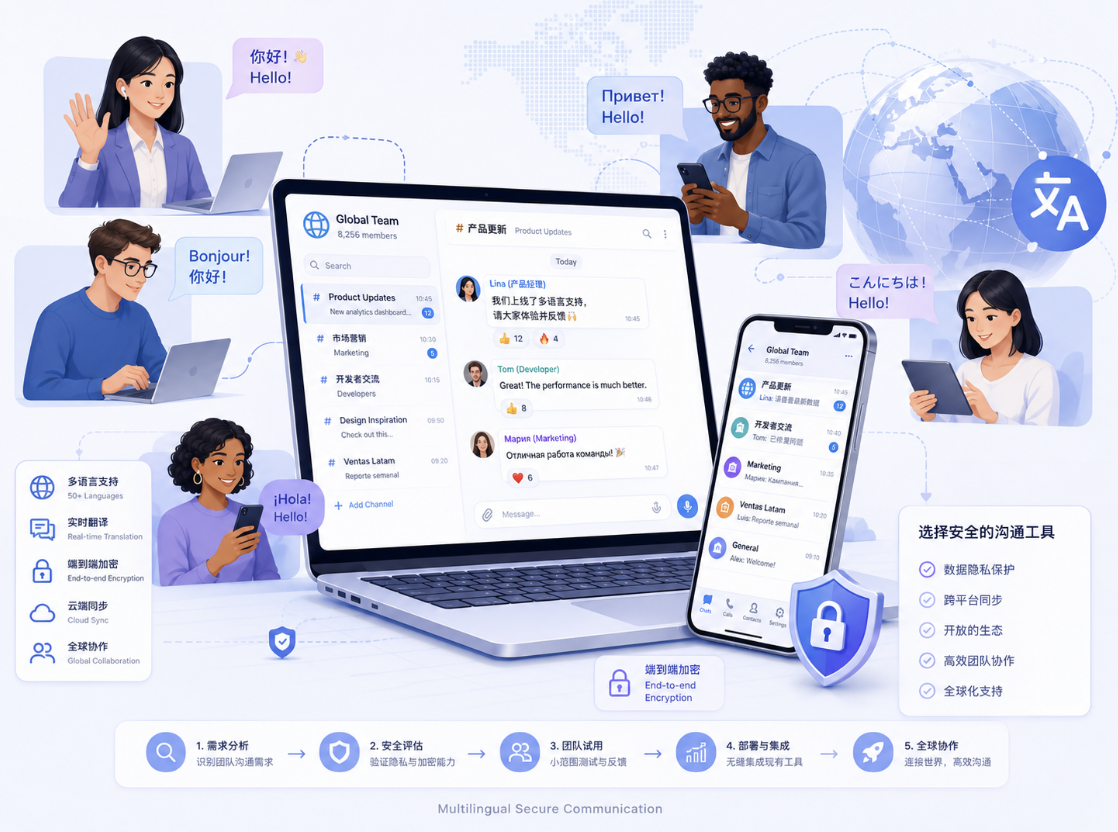 Figure 2. Multilingual communication and secure collaboration across global teams.
Cross-device collaboration and onboarding
A strong communication platform should help users maintain context as they move between devices. A message started on mobile should remain easy to review on desktop. A file shared in a group should be easy to locate later. A discussion thread should not disappear into a fragmented workflow.
Onboarding also matters. When a team includes users from different regions, the setup process should be simple enough for people with different levels of technical confidence. Clear guidance reduces support questions and helps adoption happen faster.
Conclusion
AI-era teams need communication tools that combine speed, usability, and security. The best platforms are not simply the most feature-heavy. They are the ones that fit naturally into daily workflows, help people communicate across devices, and reduce risk during fast-moving collaboration.
As remote work continues to evolve, businesses should treat communication software as a strategic layer of their digital workplace. A careful selection process can improve productivity, protect sensitive information, and make distributed teamwork easier to manage.