



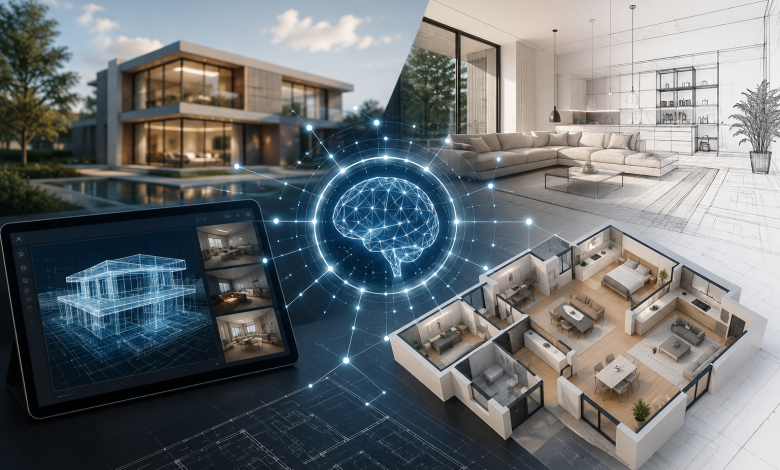
The way people evaluate property is becoming more visual. Buyers want to understand the potential of a room before they visit. Homeowners want to test design ideas before renovation. Designers want to show concepts clearly before moving into detailed planning. In each case, the challenge is the same: people need to see possibilities before they make decisions.
AI design tools are helping close that gap. A platform like floor plan ai free gives users a faster way to explore layouts, room concepts, and design ideas without needing to begin with professional software or a fully developed brief.
Why Property Visualization Matters
A room can be difficult to judge when it is empty, outdated, or poorly furnished. Buyers may focus on the wrong details. A small bedroom may seem unusable without the right layout. A plain living room may look uninspiring even if it has good proportions. An empty apartment may feel cold because there is no visual cue for how the space could be lived in.
This is why visualization has become so important in real estate, interior design, and renovation planning. People do not simply want information about a space. They want to imagine life inside it.
AI tools make that easier by producing quick visual references. Instead of asking buyers or clients to imagine the potential, professionals can show it.
The Rise of AI-Assisted Floor Planning
Floor planning is one of the most practical applications of AI in design. A layout affects everything that follows: furniture, storage, natural light, movement, privacy, and how people use each room.
In a traditional workflow, early floor plan exploration can be time-consuming. Users may need sketches, software, or professional support before they can even compare basic options. AI-assisted floor planning makes that first stage more accessible.
For homeowners, this means they can test renovation ideas earlier. For designers, it means faster concept development. For real estate professionals, it means stronger communication with buyers who need help seeing a property’s potential.
Virtual Staging as a Real Estate Advantage
Property marketing depends heavily on presentation. Empty rooms can feel smaller than they are. Older furniture can distract from the architecture. Poor styling can make a listing less competitive, even when the property itself has strong value.
This is where virtual staging ai becomes useful. By turning empty or under-furnished rooms into styled interiors, virtual staging helps buyers understand scale, function, and mood. It can show a bedroom as calm and practical, a living room as warm and inviting, or a home office as productive and modern.
For agents and property marketers, the advantage is speed. Instead of arranging physical furniture for every listing, they can create staged visuals for online platforms, brochures, and client presentations.
AI Does Not Just Create Images
The best AI design tools do more than generate attractive visuals. They support decision-making. A staged room is useful because it helps people understand how a space might function. A floor plan is useful because it makes layout trade-offs visible. A redesigned room concept is useful because it turns vague preferences into something people can discuss.
FloorDesign is built around this type of practical visualization. It helps users move from uncertainty to options, and from options to better decisions.
This matters because many design and property decisions happen before anyone spends money on renovation, furniture, or staging. The earlier users can see possible outcomes, the easier it is to avoid costly mistakes.
Benefits for Homeowners
Homeowners often approach renovation with partial ideas. They may know they want a room to feel brighter, more modern, or more organized, but they may not know how to achieve that. AI design tools allow them to explore styles, layouts, and room functions before committing to a contractor or purchase.
This can be especially helpful for smaller projects. A guest bedroom might become a hybrid office. A dining area might need better flow. A living room might require a new furniture arrangement rather than a full renovation. Visual testing helps homeowners decide what level of change is actually needed.
Benefits for Real Estate Professionals
For real estate agents, property developers, and rental hosts, AI visualization can improve marketing efficiency. Listings with clear visual potential are easier to understand. Buyers can imagine furniture placement. Renters can picture how a room might feel. Investors can see how a property could be upgraded.
Virtual staging can also help present different versions of the same space. A room may be shown as a home office, guest room, nursery, or lounge depending on the target buyer. That flexibility is valuable in a market where different audiences may respond to different lifestyles.
Benefits for Designers and Creative Teams
Designers can use AI tools to speed up early concept work. Instead of spending hours preparing one direction, they can generate several visual starting points and use them to guide client conversations.
Creative teams can also use AI-generated concepts for moodboards, campaign visuals, or early project presentations. This does not replace the detailed work of design, but it makes the beginning of the process more efficient.
Practical Limits Still Matter
AI design should be used with realistic expectations. A generated floor plan or staged room may look convincing, but final project decisions still require human review. Measurements, structural conditions, local regulations, material availability, lighting, and budget all matter.
Virtual staging should also be used responsibly. It should help buyers understand potential, not misrepresent the property. Clear communication and honest presentation remain important.
When used correctly, AI design tools are best seen as a planning and visualization layer. They help people explore ideas faster, but professional judgment still guides the final outcome.
What Comes Next for AI in Space Design
AI will continue to become more common in property marketing, home renovation, and interior planning. The reason is simple: visual decisions are easier when people can compare possibilities.
Tools like FloorDesign show how AI can turn early design uncertainty into practical options. A user can explore a floor plan, test a staged room, or generate a new interior direction before taking the next step.
The future of design is not fully automated. It is more interactive. Homeowners, agents, designers, and developers will be able to explore more ideas earlier, communicate more clearly, and make better decisions before money is spent.
That is the real value of AI in space planning: it makes imagination easier to share.