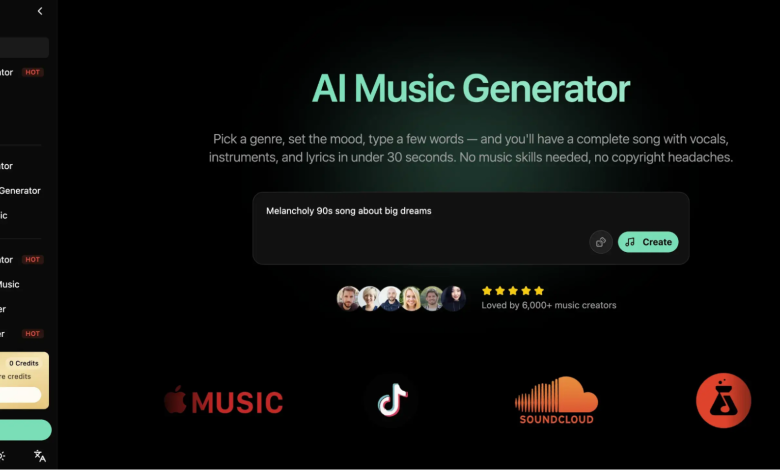
Music production has always been a blend of creativity and technical skill, traditionally requiring instruments, recording setups, and editing expertise. However, artificial intelligence has now simplified this process by allowing creators to generate complete songs using simple text prompts. This shift has made music creation far more accessible for independent creators, marketers, and digital storytellers.
Today, platforms like BeMusic AI are transforming how music is produced by enabling users to create songs based on mood, genre, and creative direction without needing advanced production knowledge. This approach has significantly reduced the time and effort required to produce high-quality audio content for videos, podcasts, and online campaigns.
As AI continues to evolve, it is becoming an essential part of modern creative workflows, especially for those who need fast and flexible audio solutions without relying on traditional studio environments.
How AI Translates Simple Prompts into Full Songs
AI song creation works by interpreting text-based inputs and converting them into structured musical compositions. These inputs typically include mood, tempo, genre, and emotional tone. Once the prompt is processed, the system generates melodies, rhythms, and arrangements that align with the requested style.
Instead of manually building a track step by step, users simply describe what they want, and the AI handles the technical composition. This makes it possible for even beginners to create professional-sounding music without prior experience in music theory or production tools.
How AI Understands Mood and Emotion
One of the most advanced aspects of AI music generation is its ability to interpret emotional language. When users describe a track as “uplifting,” “calm,” or “cinematic,” the system translates those emotions into musical patterns such as tempo changes, instrument selection, and harmonic structure. This emotional mapping allows AI-generated music to feel more intentional and expressive.
From Prompt to Structured Composition
Once a prompt is analyzed, AI systems automatically organize the track into musical sections such as intro, build-up, climax, and outro. This creates a natural flow that resembles traditionally composed music. The result is a complete song that feels coherent and ready for use in digital content.
Why Prompt-Based Music Creation Is Becoming Popular
Prompt-based creation is growing rapidly because it removes the complexity of traditional music production. Instead of spending hours editing or searching for tracks, creators can instantly generate multiple versions of a song. This flexibility is especially useful for content creators who need fast turnaround times across multiple platforms.
The Role of AI in Modern Music Workflows
AI has become more than just a creative experiment—it is now part of real production workflows. Many creators use AI tools to generate background music, intros, and even full-length compositions for their content.
This shift is particularly valuable for independent creators who often work without access to studios or professional composers. AI bridges this gap by offering fast, cost-effective, and scalable music production solutions.
AI Tools Powering Creative Music Production
One of the platforms supporting this transformation is BeMusic AI, which offers multiple tools designed for modern digital creators who need flexible audio solutions.
Creators can use it to quickly generate original tracks by adjusting mood, genre, and style preferences. Instead of relying on stock libraries or manual composition, users can produce custom music that matches their content needs in minutes. This makes it especially useful for video creators, podcasters, and marketers who need consistent audio identity across platforms.
AI Cover Song Generation for Creative Experimentation
Beyond generating original compositions, AI is also being used to transform existing songs into new interpretations. This includes AI-powered cover generation, where users can recreate songs in different vocal styles or arrangements.
This capability opens new creative possibilities for content creators who want to experiment with familiar music in unique ways without requiring singers, studios, or complex editing tools.
How AI Covers Transform Existing Music
AI cover systems allow users to modify vocal tone, style, and delivery while maintaining the structure of the original song. This makes it possible to create fresh versions of existing music that feel entirely different while still recognizable. It is especially useful for creators who want alternative content variations for social media or storytelling projects.
Expanding Creative Expression Through Voice Transformation
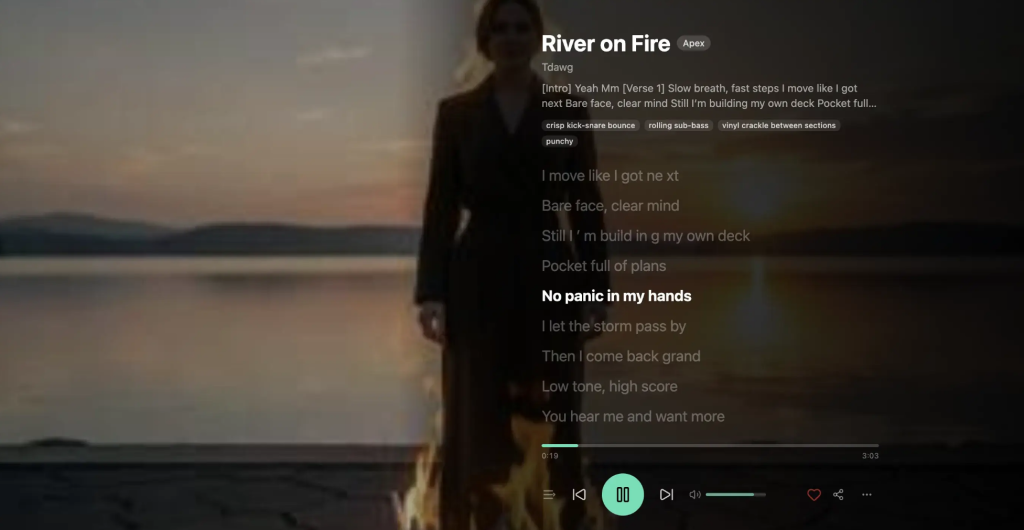
With tools like the AI cover song generator, creators can explore different vocal identities and artistic interpretations. This allows them to experiment with how a song can feel in different emotional contexts or performance styles. It also helps reduce production barriers for users who do not have access to vocal recording setups.
Creators can explore this capability using an AI cover song generator, which enables easy transformation of songs into AI-generated cover versions.
How Prompt Quality Impacts the Final Music Output
The quality of AI-generated music depends heavily on how clearly and effectively the prompt is written. Even small differences in wording can significantly change the mood, structure, and emotional tone of the final track. A vague prompt like “happy music” often produces a generic result, while a more detailed description such as “uplifting acoustic background music for travel vlog” leads to a more refined and usable output.
This is because AI systems do not just recognize keywords—they interpret context. The more context a creator provides, the more accurately the system can align the music with the intended purpose of the content.
In practical workflows, creators often test multiple prompt variations before finalizing a track. This experimentation helps them identify the exact emotional tone and structure that best fits their video or project needs.
Why AI Music Is Becoming a Core Part of Content Strategy
AI-generated music is no longer just a production tool—it is becoming part of the overall content strategy for many creators. Instead of treating music as a final editing step, creators now integrate it early in the planning phase to shape the mood and storytelling direction of their content.
This approach helps ensure that visuals, narration, and audio work together more cohesively. For brands and independent creators alike, this alignment improves audience engagement and makes content feel more professional and intentional.
As competition increases across digital platforms, creators who strategically use AI music gain an advantage by producing more consistent and emotionally engaging content at scale.
Challenges Creators Face When Using AI Music Tools
Despite their advantages, AI music tools still come with certain limitations that creators need to understand. One common challenge is over-reliance on default outputs, which can result in repetitive or less distinctive music if prompts are not well structured or varied.
Another issue is that not all AI platforms handle complex emotional or cinematic compositions equally well. Some tools may struggle with transitions or depth, requiring users to generate multiple versions before finding the right fit.
Additionally, creators must always consider licensing and usage rights carefully. Even when music is generated through AI, commercial usage rules vary across platforms, making it essential to review permissions before publishing content publicly.
| Prompt Type | Example |
| Basic Prompt | “happy song” |
| Better Prompt | “upbeat indie pop track with acoustic guitar, light drums, and warm vocals for a travel montage” |
| Basic Prompt | “sad music” |
| Better Prompt | “emotional piano-driven ballad with soft strings and reflective vocals for a storytelling video” |
| Basic Prompt | “background music” |
| Better Prompt | “calm ambient background music with gentle synths and slow tempo for a business presentation” |
How AI Music Tools Are Evolving for Non-Musicians
One of the most important developments in AI music technology is its increasing focus on non-musical users. Earlier music software required technical understanding of composition, mixing, and arrangement. Today’s AI tools remove these barriers completely by turning simple ideas into fully produced tracks.
This evolution is especially valuable for content creators who focus on storytelling rather than music production. It allows them to express ideas through sound without needing technical expertise or professional training.
Frequently Asked Questions
Can AI-generated songs be used for commercial projects?
Yes, many AI music platforms allow commercial usage, but users should always review licensing terms before publishing content publicly.
Do I need music production skills to use AI song tools?
No, AI music tools are designed for beginners. Users only need to provide simple prompts or preferences.
Are AI cover generators safe to use for content creation?
Yes, as long as users follow platform guidelines and respect copyright policies where applicable.