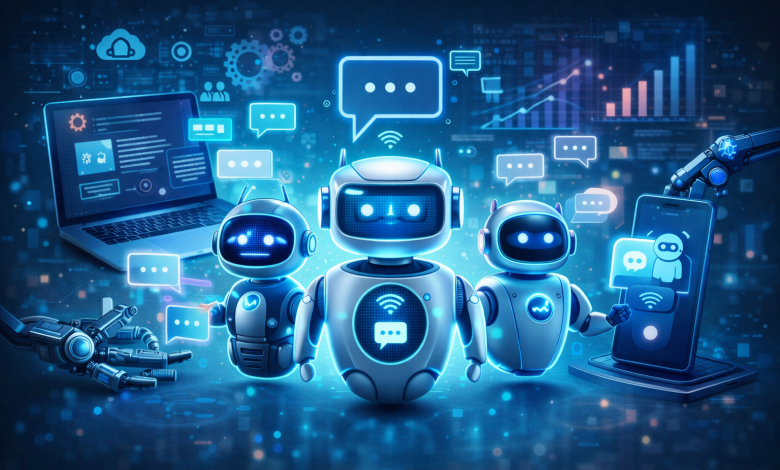
Customer success in B2B SaaS has changed dramatically. A few years ago, success teams relied heavily on email support, account managers, and knowledge bases. In 2026, AI chatbots have become central to the customer experience. They are no longer simple scripted bots that answer basic questions. Today’s AI chatbots understand product documentation, respond with context, and help customers solve technical problems instantly.
For B2B SaaS companies, this shift matters because customer expectations have changed. Business users want answers immediately. They do not want to wait hours for support tickets. They want intelligent systems that understand integrations, workflows, billing, onboarding, and troubleshooting. AI chatbots now play a major role in reducing churn, improving onboarding, and increasing customer satisfaction.
Industry studies suggest that companies using AI-driven support systems reduce first response times by more than 70 percent while lowering support costs significantly. But not every chatbot is built equally. The best platforms in 2026 focus on accuracy, context awareness, and integration with broader customer success systems.
The question is no longer whether B2B SaaS companies should use AI chatbots. The real question is which capabilities matter most.
Why Customer Success Teams Need AI More Than Ever
B2B SaaS products have become more complex. Many platforms involve multiple integrations, API connections, user roles, and custom workflows. This complexity creates pressure on customer success teams. Human support remains essential, but scaling support manually becomes expensive and slow.
AI chatbots solve this challenge by handling repetitive but important interactions. They answer onboarding questions, guide users through setup, explain billing details, and surface relevant documentation instantly. Instead of replacing customer success teams, they expand their capacity.
Alykhan Kara, CEO of Appear, explains the strategic shift. “AI is changing how customers discover and interact with digital products. I believe support systems should not just answer questions. They should understand intent and adapt dynamically. When companies build infrastructure that helps AI interpret product information clearly, customer experiences improve dramatically. The future belongs to systems that make knowledge instantly accessible.”
This perspective matters because chatbot quality depends heavily on information architecture. If documentation is unclear, chatbot performance suffers. Strong AI support starts with strong product knowledge systems.
AI also improves proactive engagement. Modern chatbots identify struggling users before tickets are created. If a user repeatedly fails a setup step, the bot can intervene with guidance automatically. This reduces frustration and accelerates time to value.
What Defines the Best AI Chatbots in 2026
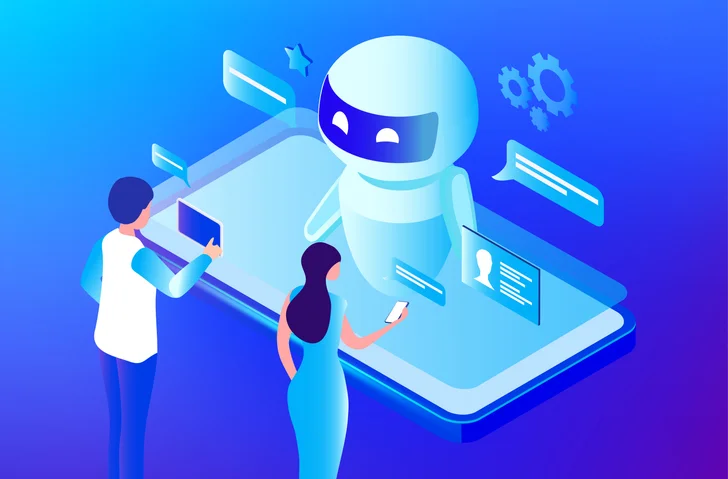
The best AI chatbots today do much more than answer FAQs. They integrate deeply with CRM platforms, customer data tools, analytics dashboards, and internal documentation. Context awareness separates premium solutions from outdated tools.
A useful B2B chatbot should understand account history. For example, if a customer upgraded last month, the bot should know that. If they previously reported an API issue, the bot should reference that context. Personalized responses improve trust.
Another critical factor is hallucination control. AI systems must provide accurate answers, especially in enterprise environments. Wrong billing advice or incorrect technical guidance can damage customer relationships quickly.
Richard Spanier, CEO of Performance One Data Solutions (Division of Ross Group Inc), shares an infrastructure-focused view. “In enterprise environments, accuracy is non-negotiable. I have spent decades helping organizations manage secure and scalable systems. AI support tools must operate on trusted data, not assumptions. When systems are properly architected, AI becomes a reliable extension of the support team rather than a risk.”
Security is equally important. B2B SaaS platforms often handle sensitive customer information. AI systems must comply with access controls, encryption standards, and data governance policies.
Scalability also matters. A chatbot that works for one hundred users may fail under enterprise volume. High-performing platforms are built for sustained reliability.
Best AI Chatbots for B2B SaaS Customer Success in 2026
Choosing the right AI chatbot depends on the type of support a business needs. Some platforms focus on customer-facing conversations, while others specialize in internal support, knowledge management, and workflow automation. The following tools offer different approaches to improving response times, reducing repetitive work, and delivering better support experiences.
1. Risotto
Risotto is an AI-powered support platform designed to automate internal service requests and help teams resolve issues faster. It understands context, retrieves answers from knowledge sources such as Notion and Confluence, and handles multi-step troubleshooting instead of relying on basic scripted responses. With integrations for tools like Jira, Zendesk, and Freshservice, Risotto is particularly useful for B2B SaaS companies looking to streamline IT support, employee onboarding, and internal operations.
2. Intercom Fin
Intercom Fin is an AI agent built for customer service automation. It uses company knowledge and support content to answer customer questions, resolve common issues, and escalate conversations when human assistance is needed. Its integration with Intercom’s customer service platform makes it a strong option for SaaS businesses looking to improve customer experiences while managing growing support volumes.
3. Zendesk AI
Zendesk AI combines automated customer interactions with ticket management and agent assistance. Its AI agents can respond across multiple channels, use trusted knowledge sources, and handle more complex customer requests. For B2B SaaS companies already using Zendesk, the platform offers a practical way to connect chatbot automation with established support workflows.
4. Ada
Ada focuses on automating customer service conversations across digital channels. Its AI agents use business knowledge to answer questions, guide customers through support processes, and resolve common issues without requiring direct agent involvement. This makes it a useful option for SaaS companies that want to scale customer support while maintaining consistent service across different markets.
5. Freshdesk Freddy AI
Freshdesk Freddy AI helps customer service teams automate repetitive interactions, assist human agents, and manage support requests more efficiently. Its AI capabilities work alongside Freshdesk’s ticketing and knowledge management features, helping businesses respond faster and reduce manual workloads. It is particularly relevant for SaaS companies that want AI-powered support within an established help desk environment.
Wonderchat and the Rise of Documentation-Driven Support
One of the strongest AI chatbot models in 2026 is documentation-driven support. Instead of relying on shallow scripted responses, these systems learn directly from structured product documentation.
Vera Sun, CEO of Wonderchat, has focused heavily on this model. “We built Wonderchat around a simple idea. Complex product knowledge should be instantly usable. I have seen support teams lose valuable time answering repetitive technical questions that AI can handle accurately. When businesses transform documentation into intelligent support systems, specialists gain time for higher-value work.”
This approach is especially valuable in SaaS environments with technical onboarding and product-specific workflows. A customer configuring integrations does not need generic advice. They need precise answers pulled from validated documentation.
Documentation-driven chatbots also improve internal operations. Sales teams, onboarding specialists, and support agents can access the same knowledge base, reducing inconsistency.
For example, a SaaS company with thousands of enterprise customers may receive repetitive API authentication questions daily. A well-trained AI chatbot can resolve most of these instantly, freeing engineers for product development.
AI Chatbots as Revenue Protection Tools
Customer success is not just about satisfaction. It is directly tied to retention and expansion revenue.
When onboarding fails, churn increases. When support is slow, trust declines. AI chatbots help protect recurring revenue by improving customer experiences during critical moments.
Alykhan Kara emphasizes infrastructure readiness. “The companies that win with AI are the ones that prepare their systems for machine understanding. If your product information is fragmented, your chatbot cannot perform well. We focus on helping businesses become AI-readable because discoverability and support increasingly depend on structured knowledge.”
This concept is important because many SaaS businesses underestimate backend readiness. Buying a chatbot platform alone does not guarantee success. Knowledge architecture matters.
AI chatbots also identify expansion opportunities. If users ask repeatedly about premium features, the bot can route qualified upgrade opportunities to customer success teams. This transforms support from cost center to growth engine.
Richard Spanier reinforces this strategic value. “Data visibility changes everything. When support systems connect cleanly with customer records, businesses gain actionable insights. AI should not only answer questions. It should reveal patterns that improve decision-making and customer retention.”
The Human and AI Partnership
Despite rapid progress, AI chatbots are not replacing human customer success teams. Instead, the strongest SaaS companies use hybrid models.
AI handles speed, repetition, and information retrieval. Humans handle relationship building, strategic conversations, and emotionally sensitive situations.
Vera Sun highlights this balance. “AI works best when it complements human expertise. We never see intelligent automation as removing people from the process. Instead, it helps teams focus on more meaningful interactions. Better support comes from combining precision with empathy.”
This partnership creates stronger customer outcomes. A chatbot may solve setup questions instantly, while account managers focus on adoption strategy and long-term success planning.
Companies that treat AI as augmentation rather than replacement often achieve stronger customer satisfaction.
The Future of B2B SaaS Customer Success
Looking ahead, AI chatbots will become even more integrated into SaaS ecosystems. Voice interaction, predictive guidance, and deeper workflow automation will expand their role.
Future bots may proactively monitor product usage and recommend workflow optimizations before customers ask. They may identify churn risks automatically and escalate concerns to account teams.
The best AI chatbots in 2026 are not simply conversational interfaces. They are operational intelligence systems embedded within customer success strategies.
Alykhan Kara shows the importance of AI infrastructure readiness. Vera Sun demonstrates how knowledge-driven automation creates accuracy at scale. Richard Spanier reinforces the role of secure enterprise architecture.
The lesson is clear. AI chatbots are no longer optional for serious B2B SaaS businesses. But success depends on implementation quality, data readiness, and thoughtful integration with human teams.
Customer success in 2026 belongs to businesses that combine intelligent automation with trusted human expertise. AI chatbots are not replacing great support. They are helping redefine what great support looks like.