The rapid expansion of artificial intelligence is placing increasing strain on the infrastructure that supports it, raising new questions about sustainability and supply chain resilience.
While much of the focus has been on AI models and applications, growth is being driven by a surge in data centre buildouts and hardware demand. Globally, data centres already consume around 415 terawatt-hours of electricity (roughly 1.5% of total demand) and that figure is rising as AI workloads scale.
At the same time, demand for critical materials such as copper, lithium and cobalt is increasing, putting further pressure on already constrained supply chains. This is happening alongside a separate but related issue: the underuse of existing infrastructure. Across enterprise environments, large volumes of IT equipment are duplicated, underutilised or retired prematurely, creating unnecessary demand for new hardware.
The scale of the problem is reflected in global waste trends. E-waste is projected to reach 82 million tonnes by 2030, yet only around 22% is formally recycled, leaving significant volumes of recoverable materials lost.
Against this backdrop, KOcycle is positioning IT lifecycle management as part of the solution. Recently recognised with a King’s Award for Enterprise for Sustainability, KOcycle focuses on extending the life of IT assets through refurbishment and reuse, while also recovering materials at end-of-life and returning them to the production cycle.
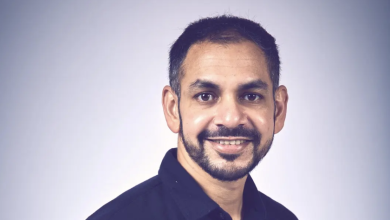
“This award is recognition of the work the team has put in over the past few years, but it’s also a signal to our partners,” said Oli Mason, Founder and Managing Director at KOcycle. “Sustainability is no longer a ‘nice to have’. It’s becoming a core part of how organisations evaluate technology decisions.”
The approach reflects a broader shift in how organisations view infrastructure. Rather than treating hardware as disposable, there is growing recognition of its ongoing value throughout its lifecycle. As AI adoption continues to scale, the challenge for organisations is balancing performance, cost and environmental impact. Increasingly, that means rethinking how infrastructure is sourced, used and managed over time.
AI may be redefining what technology can do. But how its infrastructure is managed will play a key role in determining how sustainably it can grow.