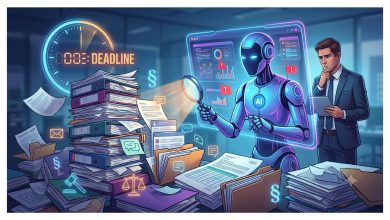
Modern IT infrastructure once worked like a reactive repair shop. Systems failed, teams rushed in, and fixes came after damage had already spread. Today, artificial intelligence (AI) flips that model. It acts more like a skilled air traffic controller—tracking signals in real time, predicting issues, and guiding systems before problems appear.
Businesses that adopt AI-driven infrastructure gain speed, stability, and control. Many now partner with providers like IT GOAT to bring these capabilities into daily operations without building everything from scratch.
The Shift From Reactive To Predictive IT
Traditional IT teams relied on alerts triggered after thresholds were crossed. For example, a server might send a warning only after CPU usage hit a critical level. By then, users already felt the slowdown.
AI changes this by analyzing patterns over time. It studies normal behavior and flags subtle shifts before they escalate. If a server usually runs at 40% load but trends upward over several days, AI detects the pattern and suggests action early.
This shift reduces downtime and removes urgency from routine operations. Teams move from firefighting to planning.
How AI Enhances Infrastructure Visibility
Large systems produce vast amounts of data—logs, metrics, and user activity records. Humans cannot process all of it in real time. AI can.
Unified Monitoring Across Systems
AI tools collect and correlate data from servers, networks, and applications. Instead of viewing isolated dashboards, teams see a connected picture. If a database slows down, AI links it to network latency or storage delays.
This unified view reduces guesswork. It shows cause and effect clearly.
Real-Time Anomaly Detection
AI models learn what “normal” looks like. When something deviates—such as a sudden spike in traffic or unusual login behavior—it flags the anomaly immediately.
Unlike static rules, AI adapts as systems evolve. It stays useful even as workloads change.
Automation That Reduces Human Error
Manual processes introduce risk. A simple misconfiguration can bring down an entire service. AI reduces this risk through automation.
Intelligent Task Execution
AI automates routine tasks such as patching, scaling, and backup management. It does not just follow scripts. It adjusts actions based on context. For example, it may delay a patch if it detects peak traffic.
Self-Healing Systems
Some systems now fix themselves. If a service crashes, AI can restart it, reroute traffic, or allocate more resources without human input.
This capability cuts response time from minutes to seconds. It also frees engineers to focus on design and strategy.
AI And Resource Optimization
Infrastructure often wastes resources. Servers run below capacity, or cloud instances remain active when not needed. AI addresses this inefficiency with precise control.
Dynamic Scaling
AI monitors demand and adjusts resources automatically. During peak hours, it scales up. When demand drops, it scales down. This keeps performance steady while controlling cost.
Cost Awareness And Forecasting
AI also predicts future usage. It analyzes trends and suggests budget adjustments. Companies can plan spending with greater accuracy instead of reacting to unexpected bills.
Strengthening Security With AI
Security threats evolve quickly. Static defenses struggle to keep up. AI improves security by learning patterns and identifying risks early.
Behavioral Analysis
AI tracks how users and systems normally behave. If a user logs in from a new location or accesses unusual data, the system flags it.
This approach detects threats that signature-based tools often miss.
Rapid Threat Response
When AI identifies a threat, it can act immediately. It may isolate a device, block access, or trigger alerts. Fast response limits damage and protects sensitive data.
The Role Of AI In Hybrid And Multi-Cloud Environments
Modern enterprises rarely rely on a single environment. They use a mix of on-premise systems and multiple cloud providers. Managing this complexity is difficult without AI.
AI simplifies operations by standardizing control across environments. It ensures consistent performance, security, and compliance regardless of where workloads run.
This consistency is critical. Without it, teams waste time adapting processes for each platform.
Challenges And Practical Considerations
AI brings clear benefits, but it also introduces challenges that require careful planning.
Data Quality Matters
AI depends on clean, accurate data. Poor data leads to weak predictions. Organizations must invest in proper data collection and management.
Skill Gaps
Teams need new skills to work with AI tools. This includes understanding models, interpreting outputs, and maintaining systems. Training becomes essential.
Integration Complexity
Adding AI to existing systems can be complex. Legacy infrastructure may not support modern tools without upgrades.
However, these challenges are manageable with the right approach and partners.
Building A Future-Ready IT Strategy
AI is not a single tool. It is a layer that enhances every part of IT infrastructure. To use it well, companies must align it with business goals.
Start by identifying key pain points—downtime, cost, or security gaps. Then apply AI where it delivers clear value. Avoid trying to automate everything at once.
Strong partnerships also play a role. Providers with experience in AI-driven infrastructure help reduce risk and speed up adoption.
Conclusion
AI transforms IT infrastructure from a reactive system into a proactive, intelligent platform. It predicts problems, automates tasks, and optimizes resources with precision.
The result is simple: faster systems, lower costs, and stronger security.
Enterprises that adopt AI early gain a clear advantage. They operate with greater confidence and respond to change with speed. In a competitive environment, that difference matters.