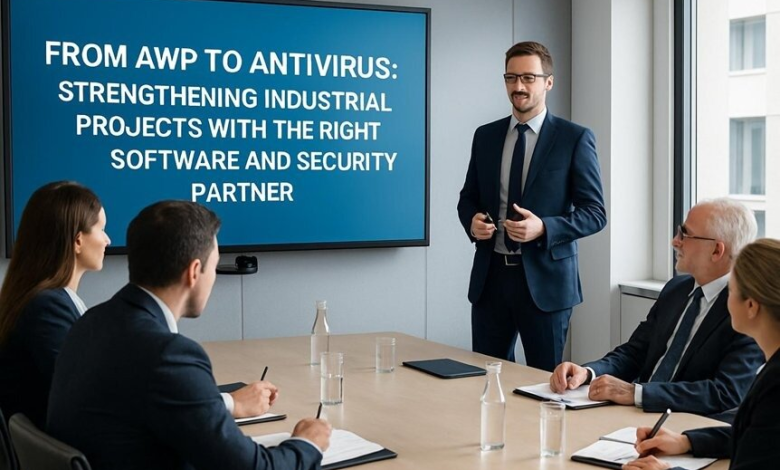
Industrial projects operate within complex ecosystems of interconnected tools, workflows, and stakeholders. Advanced Work Packaging software has emerged as a critical framework for organizing these moving parts. Yet software efficiency alone does not guarantee project integrity. Security vulnerabilities embedded within disconnected digital environments continue to threaten timelines and budgets. Understanding how AWP and cybersecurity systems function together reveals a more complete picture of modern industrial project management, one worth examining closely.
What AWP Software Actually Does for Industrial Projects
Advanced Work Packaging software transforms how industrial projects are planned, sequenced, and executed by breaking large-scale construction or engineering efforts into discrete, manageable work packages tied to specific constraints, resources, and timelines. Each work package aligns engineering, procurement, and construction deliverables within a defined path of construction, ensuring field personnel receive complete, constraint-free work packages before mobilization begins.
AWP platforms enable collaborative workflows across disciplines, allowing project controls, engineering teams, and field supervisors to operate from synchronized data environments. Changes propagate across relevant packages in real time, reducing miscommunication and rework. Automated documentation captures progress, constraint statuses, and resource allocation without manual intervention, creating auditable records that support both execution and regulatory review.
The software also integrates with scheduling tools, cost management systems, and 3D modeling environments, centralizing project intelligence. This interconnected structure reduces information silos, accelerates decision-making, and produces measurable improvements in schedule performance and overall construction productivity across complex industrial projects.
How Disconnected Tools Create Budget Overruns and Security Gaps
Many industrial project environments still operate with fragmented toolsets, separate scheduling platforms, standalone cost systems, disconnected document repositories, and siloed communication channels, that introduce compounding inefficiencies across the project lifecycle. These project management challenges manifest as duplicated data entry, version control failures, and delayed decision-making caused by siloed information sharing across engineering, procurement, and construction disciplines.
When systems cannot exchange data in real time, cost variances go undetected until budget overruns become irreversible. Schedule deviations compound before corrective action is possible. The financial consequences are measurable and significant.
Security vulnerabilities follow the same pattern. Each disconnected tool represents an independent attack surface. Unpatched legacy software, inconsistent access controls, and unmonitored data transfers between platforms create exploitable gaps that threat actors can leverage. Without unified visibility across digital infrastructure, security teams lack the contextual awareness required to identify and neutralize threats before operational disruption occurs.
The Cybersecurity Risks Hiding Inside Your Project Workflow
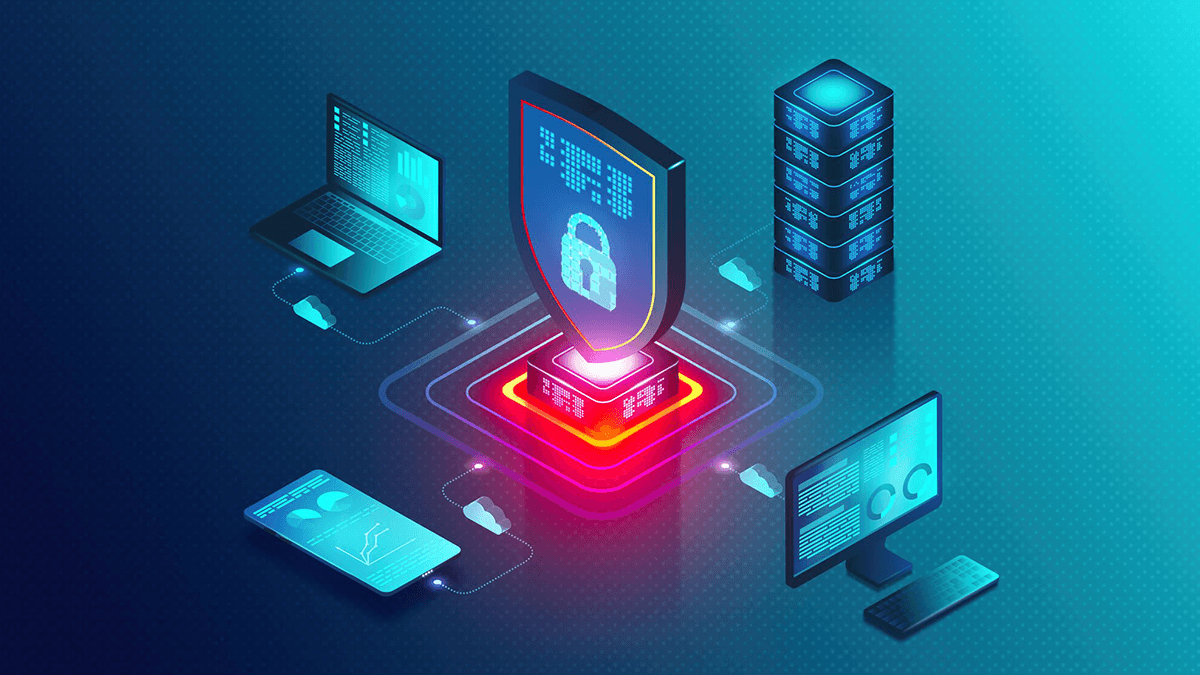
Industrial project workflows generate continuous streams of sensitive data, cost estimates, procurement contracts, engineering drawings, vendor credentials, that move across multiple platforms, user accounts, and network boundaries throughout a project’s lifecycle. Each integration point between systems represents a potential vulnerability, often requiring oversight from a qualified cybersecurity services provider to identify and mitigate hidden risks across interconnected environments.
Unpatched software, weak access controls, and unsegmented networks allow adversaries to exploit entry points that project teams rarely monitor. Insider threats compound this exposure greatly. Subcontractors, temporary personnel, and third-party vendors routinely access critical project systems with credentials that are rarely audited, revoked promptly, or scoped appropriately. Privilege escalation and unauthorized data exfiltration can occur silently within otherwise functional workflows.
Physical security risks further widen the attack surface. Construction sites and project offices often deploy shared workstations, unencrypted portable drives, and unmonitored network access points. A single compromised endpoint can provide lateral movement across interconnected project management platforms, undermining both operational continuity and data integrity simultaneously.
How AWP Software and Industrial Cybersecurity Reinforce Each Other
When Advanced Work Packaging software is implemented alongside a robust cybersecurity framework, the structural discipline each system demands naturally reinforces the other. AWP platforms rely on software integration across engineering, procurement, and construction workflows, creating clearly defined data pathways that security protocols can monitor and safeguard with precision.
Data automation, central to AWP efficiency, generates continuous streams of structured information moving between systems, users, and stakeholders. Each automated transfer represents a potential vulnerability if left unprotected. A cybersecurity framework applied at these junctions guarantees that automation does not become an unmonitored attack surface.
Conversely, AWP’s inherent emphasis on sequencing, access control, and workflow accountability mirrors sound security architecture. Role-based permissions, audit trails, and structured handoffs are principles native to both disciplines. Organizations that treat these systems as complementary rather than separate investments position themselves to execute industrial projects with greater operational integrity and measurably reduced exposure to digital threats.
Choosing the Right AWP and Security Partner
Recognizing that AWP software and cybersecurity function as complementary systems narrows the criteria an organization should apply when evaluating potential partners. Software compatibility remains a primary consideration, security solutions must integrate without disrupting scheduling, data management, or field execution workflows. Incompatible tools introduce operational friction and create exploitable gaps between protected and unprotected system layers.
Partner expertise must span both domains. A vendor proficient solely in construction technology but deficient in industrial cybersecurity protocols offers incomplete coverage. Conversely, a security firm unfamiliar with AWP methodology may misconfigure protections in ways that impede productivity. Organizations benefit from partners who understand how data flows between AWP platforms and connected infrastructure, enabling them to apply targeted security controls without compromising system performance.
Evaluation criteria should also include demonstrated experience in industrial environments, documented integration references, and responsive support structures. Selecting partners on these terms positions organizations to sustain both operational efficiency and defensible security posture simultaneously.