For years, virtual private networks relied on tunneling protocols and strong encryption to secure communications. Today, a new force is transforming this landscape: artificial intelligence. For enterprises managing sensitive data, the arrival of ai in vpn technology not only brings fresh opportunities but also sparks important questions. Understanding how ai-driven compliance and advanced analytics are reshaping vpn solutions helps clarify what’s at stake in the ongoing battle to protect company assets.
Across digital industries, balancing accessibility with privacy has never been more critical. Enterprises face constant cyber threats and must also navigate complex regulations concerning user data. In this context, the combination of ai and vpn technology stands out as a game-changer, offering hope for improved agility and compliance while countering increasingly sophisticated attacks.
What makes ai relevant for modern vpn solutions ?
Traditional vpns offer encrypted tunnels, but often struggle to adapt to emerging risks or enforce updated policies quickly. Choosing the right provider is already a complex decision, as covered in this Gizmodo breakdown, but ai integration adds an entirely new layer of criteria to evaluate. The integration of ai-powered cybersecurity changes this paradigm by enabling dynamic risk analysis and intelligent automation. These systems can detect new threats in real time and adjust defenses automatically.
With ai, static security structures become flexible, allowing organizations to learn from evolving threats and respond faster. This adaptability reduces enterprise risk and positions companies ahead in the ever-shifting cybersecurity landscape.
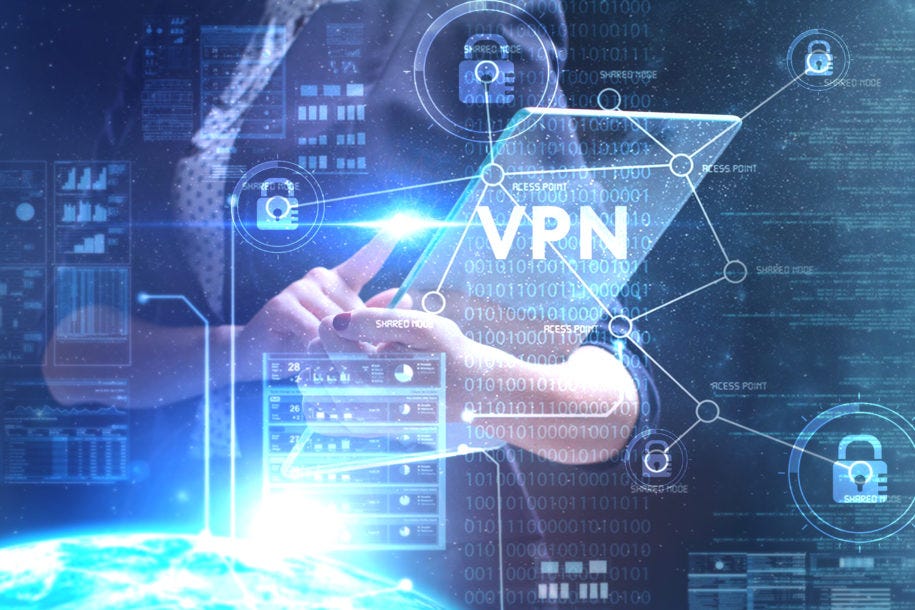
How does ai improve enterprise security frameworks ?
Robust security frameworks are essential for defending against intrusions and ensuring internal controls. By embedding ai within vpn infrastructure, companies gain automated anomaly detection and continuous monitoring of access patterns, making it easier to catch suspicious activity early.
These advances decrease reliance on manual oversight and help prevent incidents stemming from human error or overlooked vulnerabilities. The result is a stronger, more proactive defense posture that supports both compliance and operational efficiency.
Risk management and predictive analytics
Ai-driven risk management and predictive analytics analyze vast streams of traffic, identifying subtle signs of breaches or policy violations. This enables organizations to prioritize alerts efficiently and respond before issues escalate.
Proactive safeguards, informed by real-time insights, strengthen protection—especially for businesses with distributed teams or hybrid infrastructures.
The advantage of adaptive policies
Legacy vpn setups rely on static rules, rarely changing unless manually updated. In contrast, ai in vpn technology crafts adaptive policies that evolve based on user privilege, threat levels, and device status, optimizing both security and usability.
Such flexibility allows enterprises to maintain productivity without compromising on safety, especially across large or remote workforces.
Meeting regulatory challenges with ai-driven compliance
As regulations like GDPR grow stricter, ai for regulatory compliance becomes indispensable. Intelligent algorithms automate documentation and monitoring, flagging potential violations as soon as they arise.
This streamlining reduces manual workloads and helps ensure that companies meet their obligations, minimizing exposure to penalties and reputational risk.
Building effective governance frameworks
Incorporating ai into governance frameworks standardizes best practices, creates detailed audit trails, and ensures alignment with evolving laws. Automation simplifies reporting and strengthens due diligence when it comes time to demonstrate compliance.
Enhanced oversight and automatic thresholds further reduce the risk of accidental leaks or unauthorized data transfers, supporting safer cloud migration and remote work.
Simplifying audits and reporting
Keeping up with compliance demands is challenging, but ai simplifies audits by tracking transactions, access records, and configuration changes centrally. Rapid access to organized data streamlines investigations and builds trust during reviews.
Automated alerts also minimize surprises, giving organizations confidence in their compliance readiness.
Adapting to emerging threats in the ai era
While ai boosts defense, adversaries are adopting these technologies too, crafting attacks that morph in real time. Enterprises now need agile strategies and ongoing training to keep pace.
Through pattern recognition and deep analytics, ai helps predict and prevent future attack vectors, supporting detection of zero-day exploits, social engineering attempts, and insider threats.
- Identifying zero-day attacks before signature creation ;
- Detecting social engineering attempts via usage patterns ;
- Refining access control based on device health checks ;
- Rapid identification of insider threats using behavior baselines.
Each innovation enhances enterprise security, but success depends on high-quality data and careful model validation. Collaboration between human analysts and ai models remains key to maintaining contextual understanding.
Challenges facing organizations as ai takes center stage in vpn technology
Embracing ai-led security brings challenges: integration costs, staff training, and compatibility with legacy systems. Decision-makers must balance innovation with stability to avoid pitfalls like false positives or compliance gaps.
Engaging cross-functional teams and mapping deployments to clear goals improves adoption of ai-powered tools, while incremental rollouts allow for process refinement and smoother transitions.
Aligning strategy with risk appetite
Organizations differ in risk tolerance and workflows. Determining where automation adds value versus where manual oversight is needed is crucial to successful change management.
Collaborative planning fosters buy-in and keeps transformation efforts realistic and sustainable.
Managing vendor relationships and upgrades
Choosing trusted vendors for ai-infused vpn products minimizes downtime and compatibility issues. Transparent service agreements and regular reviews ensure that both security and business needs stay aligned as technology evolves.
Ongoing communication with providers and clear upgrade paths help maintain continuity while embracing new features.
Where ai and enterprise security will intersect next?
The intersection of ai and enterprise security promises ongoing innovation. Experts expect self-healing networks, automated patch management, and personalized threat detection tailored to specific roles or departments.
As privacy, speed, and transparency grow in importance, smart use of ai-powered cybersecurity will continue raising protection standards and easing compliance burdens.
- Dynamic segmentation for sensitive business units ;
- Automated jurisdiction-aware routing for international data flow ;
- Granular user verification combining behavioral biometrics and device attributes.
Successful integration will require continual adaptation of governance frameworks and collaboration across legal, IT, and HR teams. Investing in talent and infrastructure ensures resilience and compliance amid rapid change.
Enterprises ready to harness this evolution position themselves for long-term competitiveness, transforming traditional vpn access into an active line of defense for tomorrow’s digital workplace.