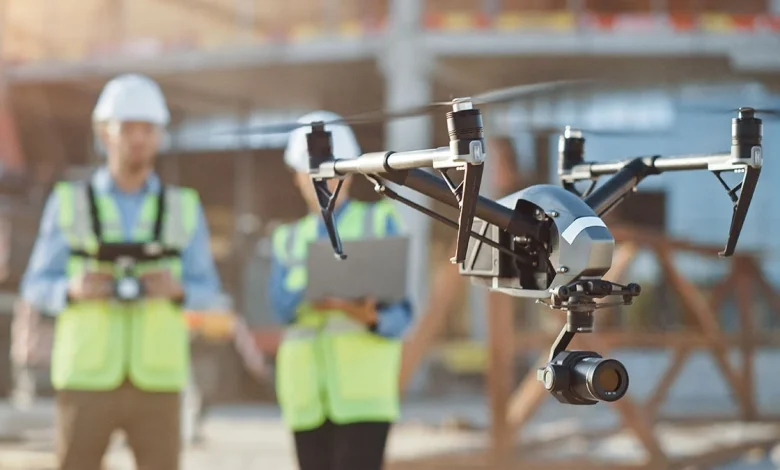
The construction industry has traditionally relied on manual inspections, paper-based reporting, and fragmented communication between teams. While these methods have worked for decades, they often lead to delays, miscommunication, and costly mistakes. Today, construction companies are increasingly adopting drone technology to improve visibility, streamline workflows, and make faster decisions. When implemented correctly, drones can fundamentally change how projects are planned, monitored, and delivered.
Drone adoption is not just about capturing aerial photos. It’s about improving decision-making, enhancing transparency, reducing downtime, and giving stakeholders a real-time understanding of project progress. From site managers to project owners, everyone benefits when accurate visual data is available at the right time. The real value lies in how this technology integrates into daily workflows and supports smarter operations.
The Visibility Problem in Construction Projects
One of the biggest challenges in construction is limited visibility. Large job sites make it difficult to monitor progress across multiple zones. Site managers often depend on verbal updates, manual walk-throughs, or outdated photos. These methods are time-consuming and prone to human error.
When visibility is limited, teams struggle with:
- Delayed decision-making
- Miscommunication between stakeholders
- Difficulty tracking progress
- Safety risks going unnoticed
- Material mismanagement
- Scheduling conflicts
Without accurate site data, project managers may spend hours gathering information before making even simple decisions. This slows down the entire workflow and creates inefficiencies that can affect timelines and budgets.
How Drones Improve Daily Operations
Drones solve the visibility problem by providing real-time aerial insights. Instead of relying on assumptions, teams can visually confirm site conditions, track progress, and identify risks early. Regular drone surveys create a consistent record of the project, helping teams compare changes over time.
This improves operations in several ways:
- Quick site inspections without manual walkthroughs
- Better coordination between teams
- Faster progress tracking
- Improved safety monitoring
- Accurate documentation for stakeholders
- Reduced downtime due to uncertainty
With drone data, decisions become proactive instead of reactive. Teams no longer wait for issues to escalate—they identify and address them early.
How Thoughtful Adoption Drives Better Results
Kos Chekanov, the CEO of Artkai, adds, “In a construction project, the most important thing is how to use technology correctly so that everything runs smoothly.
Consider the following situation:
Pretend for a second that you are the site manager on Monday morning. Over the weekend, there was heavy rain. No one knows if the stored goods are dry, if water has accumulated, or if the ground is muddy. Rather than wasting the day feeling confused, you review the drone survey photographs from last Friday. The entire picture is readily apparent after only a few minutes of your time. You make a quick decision. On top of that, there has been zero downtime in the process.
Teams are always transparent when integrating drones into their workflow. When you start the day with a limited amount of knowledge, it’s very different from having a complete picture of the updated site.”
Real-Time Decision Making
The example above highlights the real strength of drone technology: faster decision-making. Construction projects often operate on tight schedules. A single delayed decision can impact multiple teams, equipment availability, and delivery timelines.
When drones provide up-to-date site visuals, project managers can:
- Approve work immediately
- Redirect teams efficiently
- Adjust schedules quickly
- Identify hazards before work begins
- Confirm material placement
- Monitor subcontractor performance
This reduces idle time and ensures that work continues without interruption.
Improving Team Communication
 Construction projects involve multiple stakeholders — contractors, engineers, architects, owners, and site supervisors. Communication gaps between these parties can lead to misunderstandings and rework.
Drone imagery acts as a single source of truth. Instead of lengthy explanations, teams can simply review aerial visuals. This improves clarity and ensures everyone is aligned.
Benefits include:
- Clear visual updates for remote stakeholders
- Faster approvals
- Reduced site visits
- Better coordination between teams
- Transparent progress reporting
When everyone sees the same data, conversations become more productive and focused.
Enhancing Safety Monitoring
Safety is a top priority in construction. However, manually inspecting large job sites for safety risks is time-consuming and sometimes dangerous. Drones allow teams to safely monitor hazardous areas without putting workers at risk.
With drones, safety managers can:
- Identify unsafe zones
- Monitor equipment placement
- Track worker movement patterns
- Inspect elevated structures
- Review high-risk areas remotely
This proactive approach helps prevent accidents and ensures compliance with safety standards.
Tracking Progress More Accurately
Progress tracking is another area where drone adoption delivers significant value. Traditional progress tracking often relies on manual reporting, which may not always be accurate. Drone surveys provide visual documentation that clearly shows how much work has been completed.
Project managers can:
- Compare weekly progress
- Validate contractor claims
- Monitor milestone completion
- Track earthwork changes
- Document construction phases
This improves accountability and helps projects stay on schedule.
Reducing Project Costs
While drones require an initial investment, they often reduce overall project costs. The savings come from improved efficiency, reduced rework, and better resource management.
Cost-saving benefits include:
- Fewer site visits
- Reduced rework
- Faster inspections
- Better material tracking
- Improved scheduling
- Lower risk of delays
Over time, these benefits significantly outweigh the cost of adopting drone technology.
Better Documentation for Stakeholders
Construction projects require detailed documentation for clients, investors, and regulatory bodies. Drone imagery provides high-quality visual records that can be used for reporting and verification.
These records help:
- Provide progress updates to clients
- Support billing milestones
- Resolve disputes
- Document compliance
- Showcase project development
Having a visual history of the project improves transparency and builds trust with stakeholders.
Seamless Workflow Integration
The true value of drones emerges when they become part of the daily workflow. Instead of using drones occasionally, leading construction teams schedule regular flights. Weekly or even daily drone surveys ensure that the site is always documented and up to date.
When integrated properly:
- Teams start the day with current data
- Decisions are made faster
- Communication improves
- Productivity increases
- Risks are identified early
This consistent visibility transforms how construction projects operate.
The Future of Drone Adoption in Construction
Austin Ryder, Owner of Contractor Clarity, said, “Drone technology continues to evolve. Modern drones now offer advanced features like 3D mapping, volumetric measurements, thermal imaging, and automated flight paths. These capabilities provide deeper insights and further improve project management.
Future developments may include:
- AI-powered progress tracking
- Automated site monitoring
- Real-time drone streaming
- Integration with BIM software
- Predictive analytics for delays
As these technologies mature, drone adoption will likely become standard practice in construction.”
Conclusion
Drone adoption is not just about innovation — it’s about improving how construction projects are managed. From better visibility to faster decision-making, drones help teams work smarter and reduce uncertainty. When integrated into daily workflows, they enhance transparency, improve safety, and keep projects on track.
Construction projects are complex, and even small delays can have major consequences. With drone technology, teams gain the clarity they need to make confident decisions. Instead of relying on assumptions, they operate with real-time insights. The result is smoother operations, better collaboration, and more successful project outcomes.
In today’s competitive construction environment, adopting drones is no longer optional. It’s a strategic move that helps teams stay efficient, informed, and ahead of potential challenges.