In today’s rapidly evolving world, staying ahead can feel like a constant race. As technology transforms every aspect of our lives, education cannot afford to lag behind. Technology-driven education is key to continuous learning because it empowers you to learn at your own pace, access a wealth of resources, and connect with experts from around the globe. This accessibility ensures that the tools for growth and knowledge are always within your reach.
Imagine having an entire library of information just a click away, any time you need it. Online courses and digital resources eliminate barriers and provide personalized learning experiences tailored to your needs. This flexibility means you can balance education with a busy lifestyle while keeping your skills current and relevant.
Not only are traditional classrooms changing, but the way you approach learning is too. Interactive platforms and virtual classrooms keep you engaged and motivated. By integrating technology into education, you gain the confidence and skills needed to thrive in an ever-changing landscape.
The Role of Technology in Modern Education
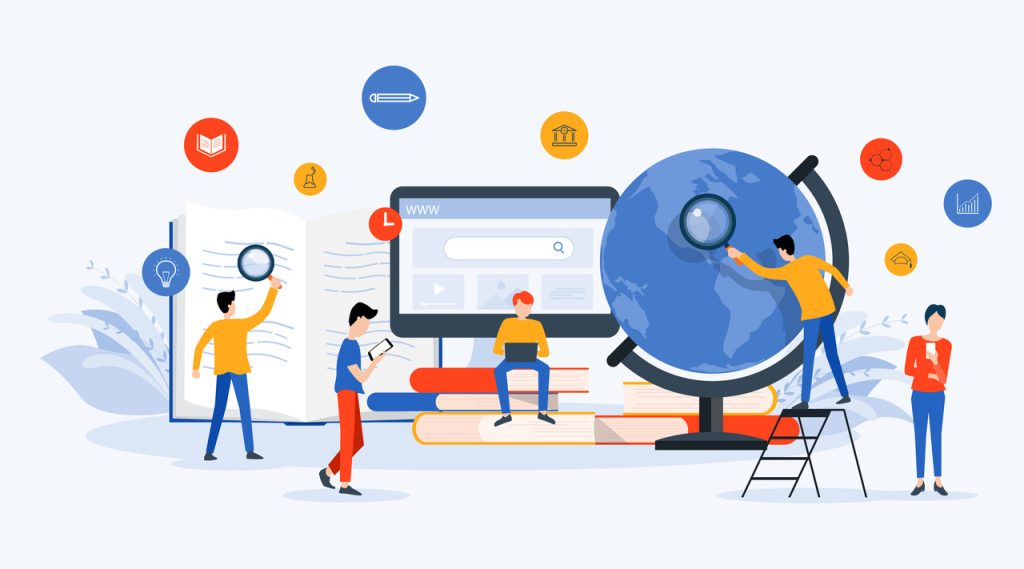
Technology plays a crucial role in shaping today’s educational landscape. By redefining traditional classrooms, enhancing engagement and accessibility, and enabling personalized learning pathways, it transforms how students experience education.
Transforming Traditional Learning Environments
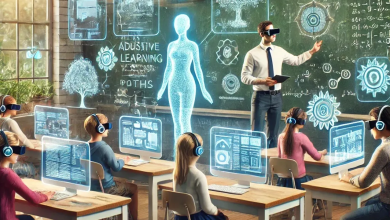
Technology has reshaped traditional classrooms, changing how knowledge is shared. Smartboards, interactive panels, and digital textbooks have replaced many conventional tools, creating more dynamic and interactive learning spaces. These technologies encourage collaboration and make lessons more engaging and memorable.
Teachers now have access to a wide range of multimedia resources, offering students diverse perspectives on subject matter. This digital shift supports different learning styles, helps simplify complex topics, and enables experiences like virtual field trips—bringing learning beyond physical classroom walls.
Boosting Engagement and Accessibility
Technology makes education more engaging and accessible through interactive platforms and educational apps that capture students’ attention. These tools allow educators to connect with learners beyond the classroom, expanding learning opportunities.
Distance learning offers flexibility, enabling students to study from anywhere and access institutions worldwide through online platforms such as Distance Learning Centre. Technology also supports learners with disabilities through assistive tools like screen readers and voice recognition, helping create a more inclusive learning environment for all.
Empowering Personalized Learning Journeys
Technology allows students to personalize their learning experiences based on individual needs. Adaptive platforms track progress and adjust content to match each learner’s pace, improving understanding and building confidence.
Students can explore interests beyond the standard curriculum with tools that offer instant feedback and guidance. This sense of ownership increases engagement and accountability, creating a customized learning experience that supports lifelong learning and success.
Driving Continuous Learning Through Innovation
Harnessing technology enables individuals to excel in their personal and professional lives by cultivating a mindset that prioritizes growth, developing skills in real time, and seamlessly connecting learners with resources around the globe.
Encouraging Lifelong Learning Mindsets
Innovation in education encourages you to adopt a mindset where learning never stops. Providing access to diverse online platforms, interactive courses, and educational apps, these tools support you in pursuing new interests and expanding your knowledge base.
Gamification and AI-powered learning assistants make the learning experience more engaging, offering personalized paths that adapt to your unique pace. By nurturing curiosity, educational innovations help transform learning from a task into a lifelong passion, ensuring that you remain adaptable in a world of constant change.
Real-Time Skill Development and Assessment
In today’s fast-paced environment, acquiring skills efficiently can give you a competitive edge. With technology-driven platforms, you can learn and refine skills as you work. Real-time feedback and adaptive learning technologies are pivotal, allowing you to quickly identify strengths and areas for improvement.
These dynamic systems adjust difficulty based on your performance, enabling effective skills acquisition without delay. Additionally, digital badges and certifications serve as instant verification of your competencies, empowering you to showcase your skills in professional settings immediately.
Connecting Learners and Resources Globally
The digital age has created a global classroom, allowing you to connect with learners and educators from anywhere in the world. Online platforms facilitate resource sharing and foster interactions that transcend geographical boundaries.
Virtual classrooms and webinars provide opportunities to engage with expert instructors and peers, enriching your educational experience. By breaking down traditional barriers, these innovations enable you to expand your perspective and gain insights from diverse cultural and academic backgrounds. The result is a more interconnected and resource-rich learning environment that broadens your horizons.
Overcoming Challenges in Technology-Driven Education
To fully embrace technology in education, there are vital hurdles that need attention. From bridging internet access gaps to safeguarding sensitive data, each challenge requires dedicated strategies.
Addressing the Digital Divide
Technology can only be transformative if everyone has access to it. The digital divide, an issue where individuals lack access to necessary technology, can leave many students and educators behind. You might see this in communities without affordable internet or adequate devices. Closing this gap means investing in infrastructure to provide universal access to the internet.
Moreover, schools could offer loaner devices for students or create community hubs with free Wi-Fi. Using public-private partnerships can help fund these initiatives. The key is to make technology accessible, ensuring all students have the tools they need to succeed in a digital learning environment.
Ensuring Data Privacy and Security
When integrating technology into education, safeguarding personal information becomes crucial. Student and teacher data must be protected from breaches or misuse. Establishing stringent privacy policies is necessary to reduce risks.
Schools should implement encryption techniques and regularly update software to protect data. Training educators and students on how to spot phishing attempts or handle data securely also adds a layer of defense. You want to create a learning ecosystem where privacy concerns don’t hinder educational progress.
Navigating Rapid Technological Change
Technology evolves quickly, and keeping up is not always easy. Adapting to new tools and platforms requires both time and resources. Educators need support to integrate the latest technologies meaningfully into their teaching.
Offering consistent professional development can help you stay ahead of tech trends. These sessions might cover new educational software or techniques for incorporating emerging technologies effectively. Encouraging open discussions about technology can also foster a culture of continuous learning among educators. Embrace change and enjoy the journey of innovation in education!
Unlocking Future Opportunities with Technology-Based Learning
Technology-based learning opens doors to a wide range of future opportunities by providing skills for career advancement, encouraging teamwork and innovation, and equipping you for shifting job market demands.
Supporting Career Growth and Adaptability
As industries evolve, technology-based learning equips you with the skills needed to stay relevant. Online courses and virtual certifications offer flexibility and a wide array of subjects, allowing you to tailor your learning path. Whether you’re aiming to enhance current expertise or venture into new fields, digital platforms provide the resources you need.
Using interactive tools and simulations, these learning environments allow you to practice real-world skills. Opportunities to earn qualifications online remove barriers, making it easier to adapt to career changes and seize new prospects. With access to up-to-date information, you can stay on top of industry trends and future-proof your career.
Fostering Collaboration and Creativity
The digital landscape fosters collaboration and sparks creativity. With platforms that support group projects and shared content creation, you can work seamlessly with peers from anywhere. This global approach encourages diverse perspectives and innovative solutions.
Creativity blossoms in technology-based learning environments. Multimedia tools let you present ideas in dynamic ways, while discussions within forums enhance communication skills. You’re not just a passive learner but an active participant, shaping your own educational journey. These experiences cultivate a mindset prepared to tackle challenges with inventive strategies.
Preparing for Evolving Workplace Demands
Technology-based learning prepares you for the ever-changing workplace. As automation and artificial intelligence reshape job roles, staying equipped with technical and soft skills becomes crucial. Courses in programming, data analysis, and digital marketing are just a few clicks away.
Focusing on adaptability, these programs emphasize problem-solving, critical thinking, and emotional intelligence. Remote learning methods mimic modern workplace settings, enhancing your ability to communicate and operate efficiently in virtual teams.
By embracing these technological tools, you’re not just preparing for present challenges but also for future innovations. The skills you acquire place you at the forefront of workplace evolution, ready to meet whatever comes your way.
Conclusion
Technology-driven education plays a vital role in continuous learning by making education more accessible, flexible, and personalized. It empowers you to build skills, adapt to change, and take control of your learning journey.
While challenges exist, thoughtful use of technology helps overcome barriers and unlock new opportunities. Embracing digital learning tools prepares you to grow, evolve, and succeed in an ever-changing world.