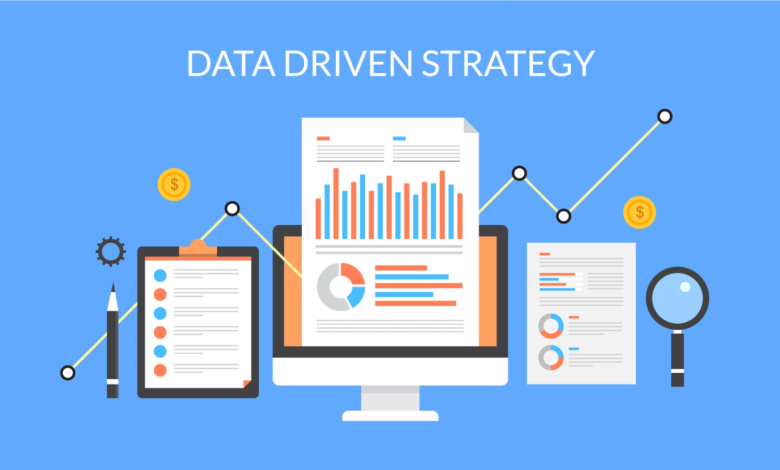
The auto marketplace is changing quickly. Buyers have more choices than ever before. Dealerships and sellers face tough competition. To succeed, businesses need more than just good cars or prices. They need to understand what customers want and how the market works. This is where data-driven strategies come in. Using data helps businesses make smart choices. It moves them from guessing to knowing. It gives them a real edge in a crowded market.
Thinking with data means making decisions based on facts, not just feelings. In the auto industry, this means looking at sales numbers, customer behavior, and market trends. It means using this information to shape everything you do. From choosing inventory to setting prices and marketing cars, data guides the way. This approach leads to better results and happier customers.
Understanding Your Customer Through Data
Knowing your customer is the first step to success. Data makes this much easier. You can collect information from many sources. This includes past sales, website visits, and customer surveys. All this data paints a picture of who your buyers are. You can see their age, income, and even their preferred car features.
Imagine a customer who always buys SUVs. Data can show you this pattern. It also might tell you what colors they like or what technology features they value. With this knowledge, you can tailor your inventory. You can stock more SUVs with those specific features. This makes it more likely that customers will find what they want.
William Fletcher, CEO of Trader.co.uk explains, “Data can reveal less obvious trends. For example, you might find that customers in a certain area prefer electric vehicles. Or that younger buyers are more interested in financing options than older buyers. These insights allow you to target your marketing messages more effectively. You speak directly to what each group cares about.”
Optimizing Inventory and Pricing with Data
Holding the right inventory is crucial for auto sellers. Too many cars sit on the lot too long, costing money. Too few cars mean lost sales. Data helps strike the right balance. By analyzing past sales, you can predict future demand. You can see which car models sell fast and which ones collect dust.
If your data shows that mid-size sedans are slowing down in sales, you might reduce your orders for them. At the same time, if compact SUVs are flying off the lot, you might increase your stock. This smart inventory management saves money by reducing carrying costs. It also ensures you have what customers want when they walk through the door.
Pricing is another area where data shines. Setting the right price can be tricky. Too high, and cars do not sell. Too low, and you lose profit. Data helps you find the sweet spot. You can analyze market prices for similar vehicles. You can look at how long cars sit on other lots. You can even factor in local demand and seasonal trends.
This data-driven pricing means you can be both competitive and profitable. You can adjust prices quickly based on market changes. For instance, if a new model comes out, older models might need a price drop. Data will show you this need before it is too late. It ensures your cars are priced to sell, not just to sit.
Enhancing Marketing and Sales Strategies
Marketing needs to be targeted to be effective. Sending general ads to everyone is a waste of money. Data allows for precise marketing. You can identify specific customer segments. Then, you can create messages that appeal directly to them.
For example, if data shows that a particular demographic is looking for fuel-efficient cars, your ads to that group can highlight mpg. If another group wants luxury features, your ads can focus on those premium options. This personalized marketing resonates more with potential buyers. It makes them feel understood and valued.
Sales teams also benefit greatly from data. They can use customer data to prepare for interactions. Knowing a customer’s preferences or past purchases before they arrive helps build rapport. A salesperson can quickly suggest cars that truly fit the customer’s needs. This saves time and makes the customer experience better.
Data can also track sales performance. You can see which sales strategies work best and which need improvement. For instance, if certain lead sources convert better, you can put more effort into those. This continuous learning cycle helps sales teams get better and better.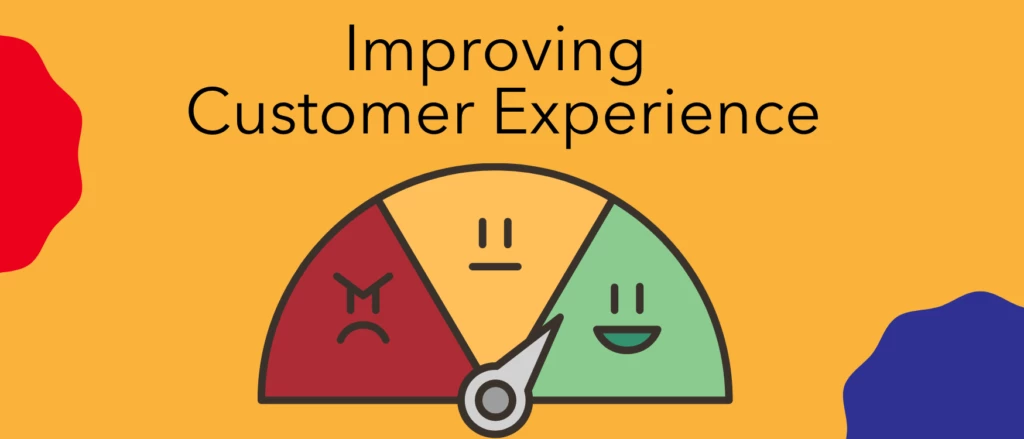
Improving the Customer Experience
A great customer experience is vital for repeat business and good reviews. Data plays a large role in understanding and improving this experience. You can collect feedback through surveys and online reviews. You can also track website behavior to see where customers struggle.
If many customers drop off at a certain point in your online car search, data will show you that. This indicates a problem with your website or process. You can then fix it to make the experience smoother. Similarly, if feedback shows delays in service appointments, you can use data to find the root cause and make changes.
Personalization is a key part of customer experience. Data allows you to offer personalized recommendations. If a customer has a service history with your dealership, you can remind them about their next oil change. If they looked at a specific car online, you can follow up with more information about that model. These small, thoughtful touches make a big difference.
A data-driven approach means you are always learning and adapting. You are proactively addressing customer pain points. You are anticipating their needs. This builds trust and loyalty, turning one-time buyers into lifelong customers.
Staying Ahead of Market Trends
The auto market is not static. New technologies, economic shifts, and changing consumer preferences constantly reshape it. Data analytics help businesses foresee these changes. You can track emerging trends in electric vehicles, autonomous driving, or mobility services.
By monitoring industry data, you can make strategic choices about your future. Should you invest more in charging infrastructure? Should you train your staff on new vehicle technologies? Data provides the insights to answer these questions. This forward-looking approach keeps you from being left behind.
Competitive analysis is another strong point of data. You can track what your competitors are doing. What cars are they selling? What prices are they offering? What marketing campaigns are they running? This information helps you adjust your own strategies to stay competitive. You can identify gaps in the market that your competitors are missing, says Jake Smith, Founder of Absolute Reg.
Ultimately, using data to stay on top of trends means making informed business decisions. It helps you navigate uncertainty. It lets you seize new opportunities. It moves you from reacting to market changes to shaping them.
Adapting to Digital Transformation
The auto marketplace has moved heavily online. Most car buyers start their journey on a website. Data is the backbone of this digital transformation. Every click, every search, every interaction on your digital platforms generates valuable data.
Analyzing website traffic helps you understand what attracts visitors. Which pages do they spend the most time on? What search terms do they use? This tells you what information is most important to them. You can then improve your website to highlight those elements.
Online advertising is also heavily data-dependent. You can track the performance of different ads in real-time. Which ads get clicks? Which ones lead to inquiries? This allows you to quickly adjust your ad spending and messages. You put your money where it works best.
Embracing digital data means creating a seamless online and offline experience. Customers expect to move easily from browsing your website to visiting your showroom. Data connects these touchpoints. It ensures that the information gathered online informs interactions offline, making the customer journey smoother and more efficient.
Conclusion
Data-driven strategies are no longer an option but a requirement for success in the auto marketplace. They help businesses truly understand their customers, optimize inventory, and set smart prices. Data also fine-tunes marketing efforts and improves the overall customer experience. By embracing data, sellers can respond quickly to market changes and build lasting customer relationships. Start collecting and analyzing your data today to make smarter, more profitable decisions tomorrow.