Body
Batteries are the heart of many machines and vehicles. They store the power that keeps engines starting, lights shining, and machines running. When a battery stops working, everything that depends on it can fail too.
Battery testers help people check the health of a battery before problems happen. They are simple tools that can prevent accidents, save money, and keep both vehicles and workplaces safe.
Let’s look at how they do this and why they matter so much.
What Are Battery Testers?
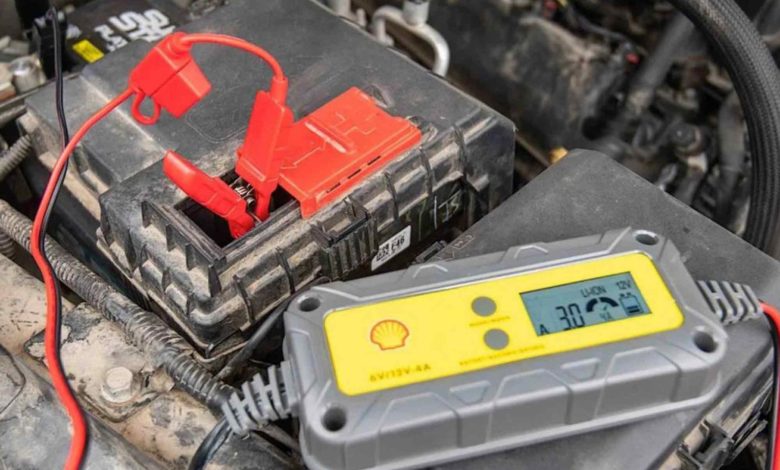
A battery tester is a device that checks how well a battery is working. It helps you know if the battery still has enough power or if it’s starting to weaken. By using a tester, you can see signs of trouble early and replace a weak battery before it fails completely.
These testers are used everywhere. Mechanics use them in cars and trucks. Workers use them in factories and warehouses. Even small battery testers are used at home to check batteries in flashlights or tools. They make sure everything powered by batteries runs safely and smoothly.
Types of Battery Testers
There are different kinds of battery testers, and each one works in its own way.
- Digital Testers: Show clear readings on a screen and are easy to use.
- Analogue Testers: Have a needle gauge to show the battery’s level.
- Load Testers: Apply a small load to see how the battery performs under stress.
- Conductance Testers: Measure how easily current flows through the battery.
- Smart Testers: Use computers or apps to store data and give advanced results.
Key Parameters Measured
Every battery tester checks certain key things to show how healthy a battery is.
- Voltage: Shows how much electric power the battery can supply.
- Current: Tells how strong the flow of electricity is from the battery.
- Internal Resistance: Checks how much resistance is inside the battery, which affects how well it performs.
- Capacity: Measures how much energy the battery can hold and deliver.
- State of Charge (SOC): Shows how full or empty the battery is at the moment.
The Importance of Battery Testers in Automotive Safety
Battery testers play a big part in keeping vehicles safe on the road. They help drivers and mechanics avoid sudden failures and dangerous situations. Here’s why they are so important:
1. Preventing Unexpected Breakdowns
When a car battery suddenly fails, it can leave someone stranded. This can be scary and even dangerous if it happens on a busy road or in bad weather.
By testing batteries often, drivers can catch weak batteries early. This helps avoid breakdowns and keeps people safe and on time.
2. Keeping Safety Systems Working
Modern cars have many systems that protect passengers. These include airbags, anti-lock brakes, and lights. All these depend on battery power.
A weak or failing battery can cause these systems to stop working properly. Testing the battery ensures that these important safety features stay ready when needed.
3. Supporting Electric and Hybrid Vehicles
Electric and hybrid cars use large battery packs to power the vehicle. These batteries are complex and expensive.
Battery testers help technicians monitor their health, find weak cells, and prevent overheating or power loss. This keeps the vehicles efficient and safe for daily use.
4. Helping Predictive Maintenance
Testing batteries regularly gives useful data. Mechanics can use this information to predict when a battery might start failing. This means repairs can be planned before problems happen. It saves time, reduces stress, and avoids emergencies on the road.
5. Reducing Roadside Hazards
A failed battery can cause a car to stop suddenly, creating risks for other drivers.
With routine testing, such risks are greatly reduced. Safe vehicles mean safer roads for everyone.
The Role of Battery Testers in Industrial Safety
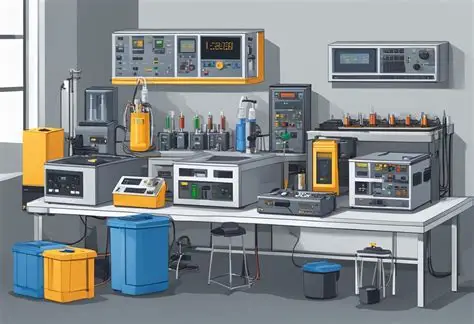
Battery testers are just as important in factories, warehouses, and other work areas. They keep machines running smoothly and protect workers from harm. Here is the role of battery testers in industrial safety:
1. Preventing Power Failures in Workplaces
In many factories and offices, batteries help run systems like lights, emergency alarms, and forklifts. If a battery fails suddenly, it can stop production or create unsafe conditions for workers. A simple test can catch problems before they turn serious.
Battery testers help spot low power levels or poor performance early. When workers know a battery is getting weak, they can replace it before it causes downtime. This keeps machines running smoothly and ensures that work continues without interruptions.
2. Protecting Equipment from Damage
Industrial machines often use sensitive electrical parts. A weak or unstable battery can cause sudden power drops or surges that harm this equipment. Repairs can be expensive, and in some cases, damaged tools can even hurt workers.
Using a battery tester helps prevent this kind of damage. It shows when a battery is not delivering stable power. By replacing bad batteries before they fail, companies can protect both their equipment and the people using it.
3. Keeping Backup Systems Ready
Backup systems, like emergency lighting or uninterruptible power supplies (UPS), are used during power cuts. These systems depend on batteries that must always be ready to work. If the batteries fail when needed, the whole backup system becomes useless.
Battery testers make sure these backup batteries are always in good shape. Regular checks give confidence that, when power goes out, the systems will turn on instantly. This keeps workplaces safe and prevents panic during emergencies.
4. Meeting Safety Standards
Most industries must follow strict safety rules to keep workers and equipment protected. Many of these rules include battery testing and maintenance. Ignoring these standards can lead to penalties or accidents that could have been avoided.
With battery testers, companies can easily record and prove that batteries are being checked regularly. This helps them meet safety standards and show that they care about worker safety. It also builds trust among employees, inspectors, and clients.
Economic and Operational Benefits
Battery testers don’t just make things safer. They also save money and improve work efficiency.
- Longer Battery Life: Regular testing helps keep batteries healthy for a longer time.
- Lower Replacement Costs: Detecting problems early avoids the need for sudden and costly replacements.
- Better Work Efficiency: Well-maintained batteries keep machines and vehicles running without delays.
- Less Waste: Reusing healthy batteries and recycling weak ones helps the environment.
- Smart Maintenance: Data from tests helps plan battery care at the right time.
Conclusion
Battery testers are simple tools that make a big difference. They help keep cars, trucks, and machines running safely. They also protect people from sudden failures and make sure work keeps moving smoothly.
By using battery testers often, we save money, time, and energy. Most of all, we make sure that safety always comes first.