
Parents these days rush to download every educational app they can find. The promises sound amazing. Teach your toddler the alphabet in weeks! Make math fun! Build problem-solving skills while they play!
But something weird is happening. Kindergarten teachers keep noticing the same problems. Kids can’t hold pencils properly anymore. Their little hands get tired after writing just three letters. Asking them to focus for five minutes feels impossible.
Screen time is the obvious culprit. But we’re not talking about mindless cartoons here. These are supposed to be educational apps. Yet somehow, they’re not delivering what kids actually need.
Meanwhile, those boring old coloring pages? They’re still doing their job perfectly.
Apps Do Everything For Kids
Let’s be honest about how these apps work. A toddler taps the screen randomly. Bright colors explode everywhere. Happy music plays. A cartoon character cheers.
It feels educational. But what’s really happening?
The app handles all the hard parts. Kids don’t need to think much. They just tap and watch pretty things happen. That’s not the same as actually learning.
Compare that to a simple coloring page. The child makes every single decision. Red or blue for this flower? Press hard or go gentle? Try to stay inside the lines or just go wild?
Nobody else decides these things. Not a parent. Not a computer program. Just the kid and their own choices.
Little Hands Need Real Stuff to Hold
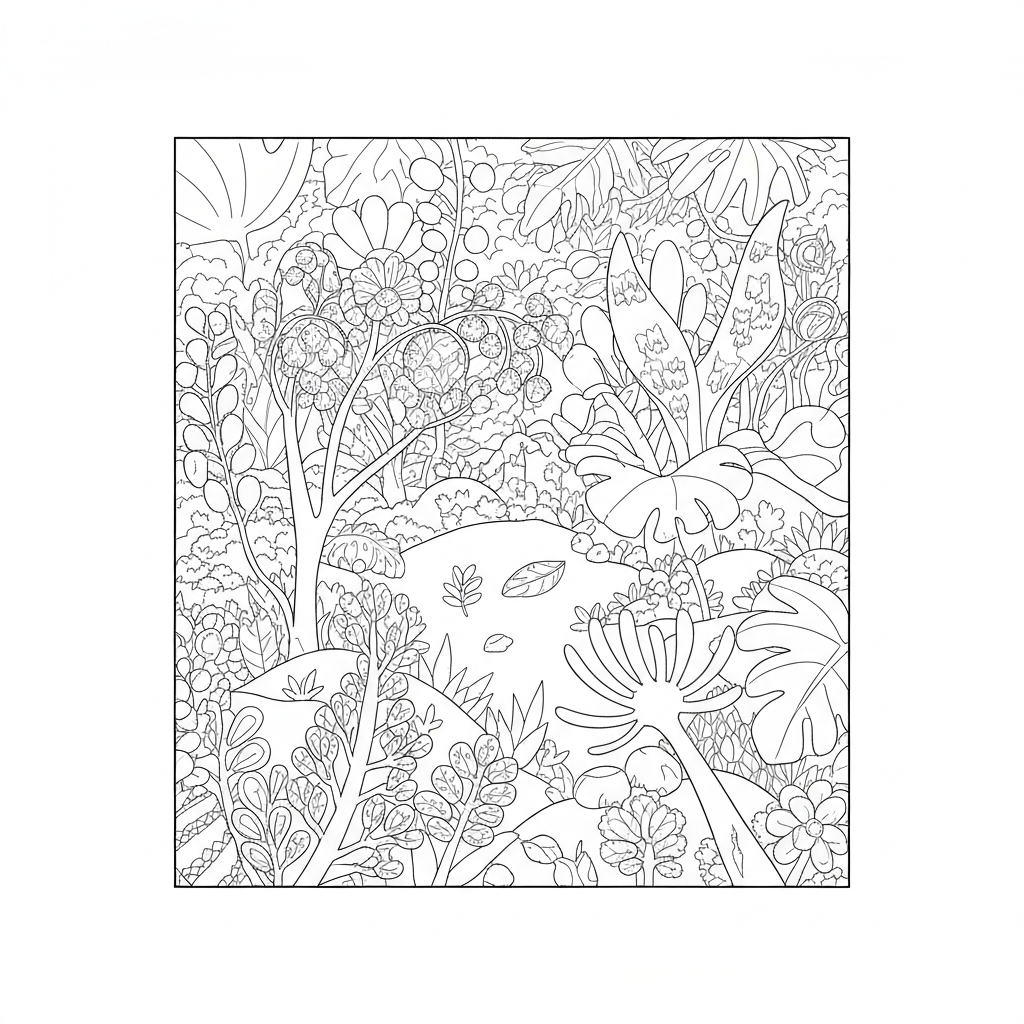
Here’s what occupational therapists are seeing now. More and more kids struggle with basic hand tasks. Gripping a pencil feels awkward. Cutting with scissors takes forever to learn.
The reason? Swiping a tablet screen builds basically zero hand strength.
Think about it. Touching glass requires almost no effort. No muscles need to work hard. It’s too easy.
Actual crayons are different. Gripping one properly takes real finger strength. Holding it steady needs coordination.
Kids who color regularly build these skills without even trying:
- Their fingers learn how to grip things correctly
- Small hand muscles actually get stronger
- Eyes and hands start working together better
- Planning which color to use next exercises their brain
Teachers can tell immediately which kids use crayons at home. The difference in pencil grip is obvious. Some kids are ready to write. Others struggle because their hands never got strong enough.
Good news, though. Finding quality materials is super easy now. Parents can download here tons of free printable coloring pages here in any theme they can imagine.
Apps Hate Creativity
Most educational apps have tons of rules. Color goes here. Not there. Tap this spot. Not that one.
Some apps won’t even let kids mess up. Auto-correct jumps in. The kid gets a perfect picture without creating anything themselves.
Regular coloring pages have literally zero rules. Want a purple dog? Great. Feel like making the entire sky orange? Nobody stops you.
Toddlers Need to Trust Their Ideas
Something important happens when kids can choose freely. They start believing in their own ideas. They feel brave enough to try new things.
Apps almost never allow this. Everything is programmed. Creativity dies when correctness is the only goal.
Plus, coloring uses way more senses. Kids feel the paper texture. They smell those waxy crayons. They hear that scratchy sound.
Apps only work through the eyes and ears. That’s just two senses instead of five.
Apps Wreck Attention Spans
Educational apps switch activities constantly. New game every sixty seconds. Different sounds. Fresh animations.
But here’s the problem. This trains kids to expect constant newness. When school requires focusing on one thing for twenty minutes, they can’t do it.
Coloring works the opposite way. A toddler sits with one picture for however long it takes. Maybe fifteen minutes. Maybe half an hour. They learn to stick with something until it’s finished.
Real Talking Beats Robot Voices
Apps isolate kids completely. One child. One screen. Nobody else is involved.
Coloring naturally brings people together. Parents watch and ask questions. “Why did you pick that color?” Siblings share the crayon box. Caregivers teach new words without even planning it.
These casual conversations build vocabulary better than any recorded app voice ever could.
Kids also pick up social skills. Learning to share. Taking turns. Showing their work proudly. Apps can’t teach any of this stuff.
Keeping it interesting is easy, too. Sites like printablecoloringkids.com have hundreds of free options. Whatever your kid is obsessed with this week, there’s probably a coloring page for it.
Apps Cost Real Money
Educational apps aren’t free. Most want five to fifteen bucks every month. Parents usually download several.
Then you need the tablet itself. Good ones that survive toddler treatment cost a few hundred dollars minimum.
Coloring costs basically nothing. Free websites let you download here whatever you want. Paper is cheap. A crayon box costs maybe three dollars and lasts forever.
This matters for families watching their budget. Every kid deserves activities that help them grow, regardless of income.
Screens Become Addictive Fast
Tablets are designed to hook people. App makers literally build in addictive features.
Parents notice it quickly. The toddler gets cranky without their tablet. Bedtime becomes a battle. Taking it away causes major meltdowns.
Coloring doesn’t do this. Kids enjoy it. But they won’t throw fits demanding crayons the way they do with screens.
Starting early with hands-on stuff builds healthier patterns. Kids learn that fun exists without plugging something in.
Conclusion
Picking between apps and coloring isn’t really about technology. It’s about understanding what toddlers actually need during these crucial years.
Strong hands for writing. Minds that can focus. Confidence to create freely. Real conversations with real people. Apps promise these things but rarely deliver them.
Coloring pages look too simple. Almost boring. But they build exactly what matters most right now.
Technology definitely has value. Just not a huge role during early childhood. Real development happens when kids hold crayons and create whatever they imagine.
Parents already deal with enough pressure. But this choice genuinely impacts development long-term. Time spent coloring today creates skills lasting forever.
Next time your toddler needs something to do, skip the tablet. Print some pages. Hand over the crayons. Watch those little hands grow stronger with every picture they create.