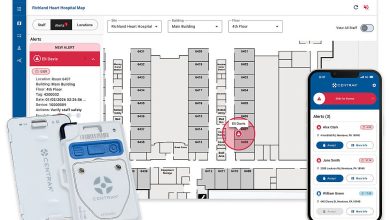
How AI Supports Care Coordination starts with one practical idea: let technology handle repetitive coordination work while people remain responsible for clinical judgment and patient decisions. AI can help teams organize information, spot gaps, and communicate faster without removing the human oversight healthcare requires.
Where can AI help with everyday care coordination?
AI can reduce the administrative load that often slows patient care. It can summarize medical records, identify missing information, flag follow-up tasks, and help route messages to the right member of the care team.
Care coordination software can also analyze schedules and patient data to identify possible delays, duplicate services, or missed appointments. Instead of replacing staff, AI gives coordinators a clearer view of what may need attention first.
A care coordination platform may use AI to bring relevant patient information together, generate reminders, and support care team communication across departments or organizations. The technology can speed up routine work, but a person should still review important decisions before they affect care.
What should always remain a human responsibility?
AI is useful for recognizing patterns, but healthcare decisions involve context that software may not fully understand. A nurse, physician, social worker, or care coordinator must consider the patient’s symptoms, preferences, social circumstances, and changing needs.
| AI can support | Humans remain accountable |
| Summarizing records | Reviewing clinical meaning |
| Flagging missed follow-ups | Deciding what action is appropriate |
| Prioritizing routine tasks | Making care decisions |
| Drafting communication | Approving sensitive messages |
This distinction matters because AI systems can produce incomplete or incorrect recommendations. In patient care management, human review is the safeguard that turns automated suggestions into responsible action.
Frequently Asked Questions
Can AI replace care coordinators?
No. AI can automate routine tasks and surface useful information, but care coordinators remain responsible for judgment, communication, and patient-centered decisions.
Is AI safe for patient care?
It can be helpful when properly governed and reviewed by qualified professionals. Human oversight is essential, particularly when AI influences clinical or care decisions.
What is the biggest benefit of AI in care coordination?
Its main value is reducing repetitive administrative work so care teams can spend more time communicating with patients and addressing complex needs.
Conclusion
AI should make care coordination more informed and efficient, not less human. As healthcare organizations adopt new tools, the strongest approach will be one where technology handles what it does well while trained professionals retain responsibility for every meaningful decision.