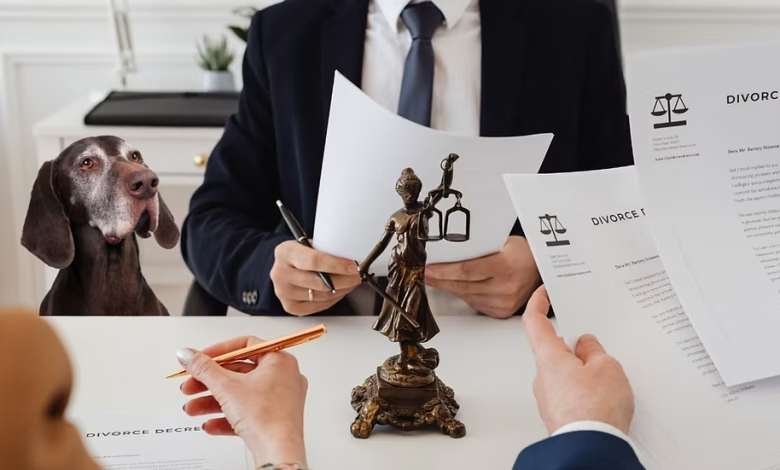
Sometimes life with a pet takes an unexpected turn.
Maybe you’re in dispute with a clinic and get a denial from your insurer that doesn’t make sense. Or a neighbor threatens legal action after an incident with your pet you’re still trying to solve.
In these moments, you must protect your pet while sorting through decode legal jargon or worry about trusting the wrong person. That pressure leads you to seek legal help.
Knowing what to look for in a lawyer helps you make calmer, more informed, and more confident decisions. So let’s understand what experience and approach make a lawyer right for pet-related disputes instead of deciding in haste. Let’s dive right in.
A lawyer for pets needs to read between the lines
A general attorney might understand the law, but miss the nuance of how these pet-related cases shift with every update.
Some lawyers treat pet cases as regular consumer disputes and problems start here. They might ignore an important line in a vet report that could change how insurance companies view the issue. Or they might misunderstand a description of your pet’s behavior.
So a simple disagreement can quickly escalate once papers start circulating.
Spotting these common gaps in legal support lets you prepare clearly for your search and avoid surprises. Look for lawyers for pets who understand the distinct complexities of pet-related disputes.
3 strategies to help you choose the right legal partner
Experience relevant to your situation makes a real difference
Some attorneys know the territory just well enough to make a good impression when you meet them. You want someone who can quickly spot patterns and understand your situation without needing long explanations:
- A hint of familiarity appears when they decode vet language effortlessly
- You might notice how they pause on specific words in your documents, spotting red flags you missed
- Pay attention to whether they ask questions that feel unusually precise, they’re often testing pressure points
- If they anticipate scenarios before you mention them, it’s a sign they’ve navigated similar disputes
A lawyer with relevant experience both represents you well and helps you learn quickly. Choose an attorney familiar with pet law to reduce your stress and learning curve.
A structured story strengthens your position
How you describe events matters in pet disputes. Even a small mistake can change how a claim is seen or who is blamed, so you need someone who helps you tell your story clearly:
- Keep track of moments that felt confusing at the time, they often matter later
- Notice how your attorney reacts to uncertainty in your story; the good ones help you refine it, not hide it
- Share screenshots, notes, or messages that capture the raw context, not only the official documents
- Stay open to adjusting phrasing; sometimes one sentence carries more weight than a page of explanation.
A strong, structured story makes your case much more persuasive. Present a consistent narrative, supported by thorough documentation, to give your case strength.
Effective guidance reduces noise when everything feels urgent
A strong lawyer doesn’t overwhelm you with hypotheticals. When emotions rise, you need structure that trims that unnecessary effort:
- Some attorneys outline next steps as a sequence rather than a lecture, that’s always a good sign
- You may get a short list of priorities that feel surprisingly doable
- Watch for the ones who explain uncertainty honestly; false confidence is a red flag
- Pay attention to how they communicate under pressure, consistency matters more than speed
Finding legal help that brings clarity rather than confusion is essential so evaluate lawyers by how they help you prioritize and communicate under pressure.
Smart choices today offer long-term protection
After a dispute involving your pet, you start to spot details you once missed.
You learn how paperwork can sway results, which words in a policy need a closer look, and how important it is to keep clear records of treatments, diagnoses, and talks. These shape what happens if you ever have to make another claim.
The right lawyer for pets speeds up your learning. They help you spot what could go wrong and build habits to stop problems before they start, helping you protect your pet in ways you might not expect yet.
Once you have learned from a dispute, you will communicate with confidence and feel more in control. The key takeaway is that with the right legal support, you’ll be prepared for future pet-related conflicts.
Finding a lawyer for your pet is a protective act. Pay attention to how each lawyer handles your story, questions, and concerns. The right lawyer balances skill and clear advice with genuine concern for what matters to you.
Frequently Asked Questions (FAQ)
- How can I quickly tell if a lawyer understands pet-related cases?
Notice how they interpret all your documents. If they catch details in vet notes or insurance language without you prompting them, it’s usually a reliable indicator.
- Do I need legal help right away when a dispute starts?
Not always, but waiting too long can close doors. A brief early consultation helps you avoid mistakes and understand what evidence to preserve.
- What should I prepare before meeting with a lawyer?
Bring anything tied to the situation: notes from the clinic, invoices, emails, screenshots, or policy excerpts. An organized context helps them guide you faster to a winning case.
- How do I compare lawyers when they all sound confident?
Look at how they listen. The best ones don’t rush to conclusions; they ask targeted questions, reframe issues, and show they grasp the nuances of your situation.
- What if the dispute involves both medical and behavioral concerns?
You’ll need someone comfortable navigating overlapping fields. Ask how they’ve handled multi-layered cases in the past and what challenges they expect in yours.
- Should I worry about fees with long disputes?
Fees matter, yes. Ask for a simple breakdown and how costs shift if the case escalates. Transparency early prevents tension later.