Successful people don’t struggle with attraction.
They struggle with alignment.
Executives, founders, and creatives aren’t short on dates or opportunities to meet people. What they’re short on is time, emotional bandwidth, and patience for dynamics that don’t fit the life they’ve already built.
For them, dating failure doesn’t look like rejection.
It looks like exhaustion.
Endless swiping. Repeating the same conversations. Explaining schedules. Managing mismatched expectations. All of it starts to feel strangely disconnected from the clarity and intentionality they apply everywhere else in life.
At a certain point, successful people stop asking, “Who do I like?”
They start asking, “Who actually fits?”
And that question changes everything.
1. Alignment Over Attraction
Mainstream dating apps obsess over surface-level attraction: photos, witty bios, proximity. But for high-performing individuals, attraction is only the entry ticket.
What really matters is alignment across three invisible dimensions:
- Values (how you think about life, growth, integrity)
- Lifestyle (how you spend time, manage energy, handle pressure)
- Trajectory (where you’re going, not just where you are)
Successful people know that chemistry without alignment burns fastand leaves damage behind.
Example 1:
A venture capital partner in Boston shared that his most intense dating experiences were also the shortest. “The spark was real,” he said, “but our lives ran on different operating systems.” What he learned was simple: attraction starts relationships, but alignment sustains them.
Apps rarely optimize for this deeper compatibility. They reward excitement, not longevity.
2. Respect for Time Is a Love Language
Time is the most valuable asset for successful people. It’s also the one most dating platforms treat casually.
For high-achievers, respect looks like:
- Showing up prepared, not winging it
- Clear communication instead of mixed signals
- Understanding that packed schedules aren’t excuses, they’re realities
- Valuing quality interactions over constant availability
This isn’t about being busy for status. It’s about living deliberately.
People who thrive professionally often want partners who understand the cost of focusand don’t resent it.
Example 2:
A creative director in Los Angeles stopped dating someone she genuinely liked because every late meeting turned into a conflict. “I realized I needed someone who didn’t take my ambition personally,” she said. That clarity reshaped how she dated moving forward.
This kind of understanding doesn’t come from endless swiping. It comes from intention.
3. Emotional Maturity Beats Emotional Intensity
Apps reward intensity.
Successful people prioritize stability.
High performers operate in high-pressure environments. They’re not looking to add emotional volatility to an already demanding life. Instead, they value:
- Self-awareness
- Emotional regulation
- Accountability
- Healthy conflict resolution
Drama isn’t exciting to them, it’s inefficient.
That doesn’t mean they want emotionless relationships. It means they want emotions that are safe, grounded, and sustainable.
This is one reason many high-achievers begin looking beyond traditional apps and toward more curated experiences, including using a professional dating website that filters for maturity, shared values, and lifestyle compatibility rather than just proximity or looks.
Services like Vida Select cater to this mindset by managing the logistics of dating screening, outreach, and coordinationso conversations can focus on substance rather than noise.
4. Shared Vision Matters More Than Shared Hobbies
Dating profiles love hobbies: travel, fitness, food, music. These are nicebut they’re not decisive for successful people.
What matters more is the shared vision:
- How do you define success?
- What does balance look like to you?
- How do you handle growth, change, and setbacks?
- What role does partnership play in your life?
Two people can love the same things and still want fundamentally different lives.
Example 3:
A tech founder in Austin explained that his breakthrough relationship came when he stopped asking “Do we have fun together?” and started asking “Can we build a life together?” The difference, he said, was transformative.
Apps rarely prompt these conversations early. Intentional dating does.
5. Independence Is Attractive. Dependency Is Not
Successful people are often highly independent. They’ve learned to solve problems, manage stress, and create meaning on their own.
In relationships, this translates to wanting:
- A partner, not a project
- Mutual support, not emotional outsourcing
- Interdependence, not dependency
They’re drawn to people who have their own ambitions, identity, and sense of purpose.
This doesn’t mean they don’t want closeness. It means they want healthy closeness where two complete individuals choose each other, rather than need each other to feel whole.
Mainstream apps often blur this distinction, pairing people at vastly different life stages without context. Curated dating environments make this mismatch less likely.
6. Communication Style Is a Dealbreaker
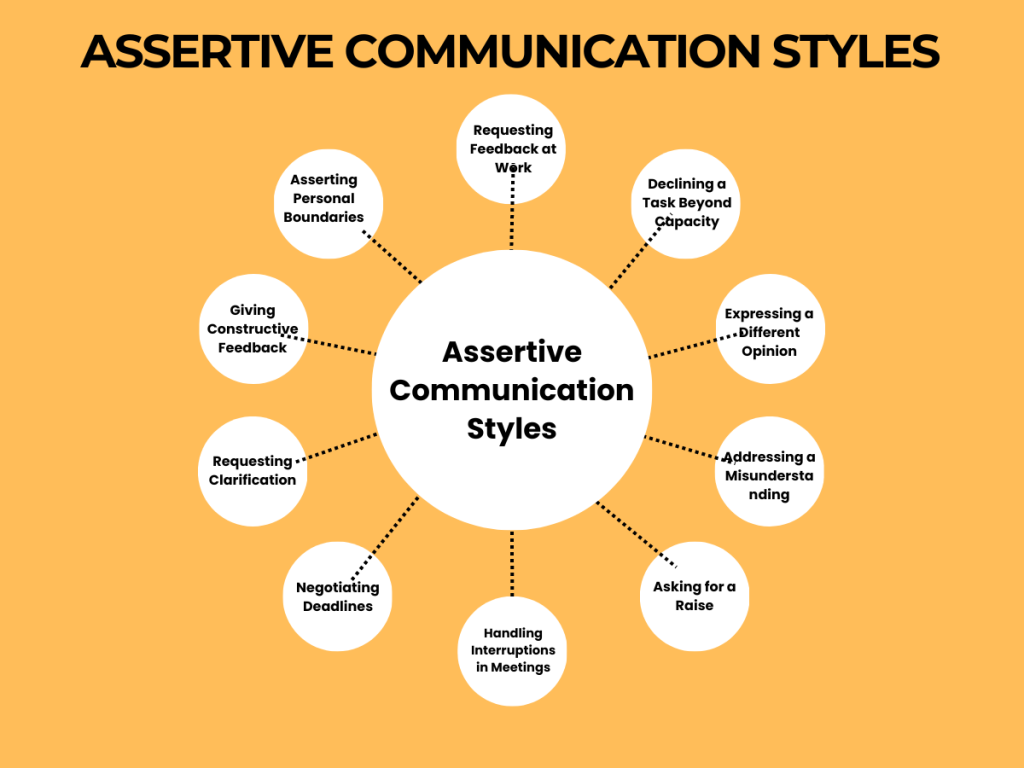 High performers live in a world of clear expectations, feedback loops, and decision-making. Naturally, they value communication that is:
- Direct
- Honest
- Timely
- Respectful
Ambiguity feels unnecessaryand draining.
Ghosting, breadcrumbing, or unclear intentions aren’t just frustrating; they signal misalignment in how people handle responsibility.
This is why many professionals prefer dating systems that emphasize clarity from the start, whether through upfront intentions, facilitated introductions, or concierge-style services that reduce miscommunication.
7. Two Realistic Relationship Scenarios
Sample Scenario 1: The Executive Reset
A senior executive realizes that dating apps mirror the chaos of her inbox: constant notifications, shallow interactions, and no prioritization. She shifts to a more intentional dating approach where matches are screened for lifestyle compatibility. Dates become fewer, but deeper. For the first time, dating feels aligned with her life instead of competing with it.
Sample Scenario 2: The Founder’s Breakthrough
A startup founder used to believe dating had to be spontaneous to be romantic. After years of burnout, he tried a curated dating model. By removing the logistics and focusing on meaningful conversations, he found himself more present and ultimately more connected on dates.
These aren’t edge cases. They’re becoming the norm among successful professionals.
8. Why Apps Rarely Talk About These Things
Dating apps are businesses built on engagement. The longer users swipe, the more valuable they become.
But success-oriented daters don’t want endless engagement. They want outcomes.
Topics like emotional maturity, life vision, and value alignment don’t keep people scrolling, but they do help people build real relationships.
That’s why these conversations often happen outside traditional app ecosystems, through intentional dating services, referrals, or curated platforms designed for professionals.
Conclusion: Redefining What “Good Dating” Means
For successful people, dating isn’t broken; it’s just overdue for an upgrade.
They’re no longer chasing sparks without substance or chemistry without context. They’re looking for relationships that complement their lives, not complicate them.
They want:
- Alignment over attraction
- Clarity over chaos
- Maturity over intensity
- Partnership over performance
As more professionals step away from swipe culture and toward intentional dating, the definition of modern romance is quietly changing.
And maybe that’s the real insight apps rarely talk about:
Love doesn’t have to be messy to be meaningful.
Sometimes, the most successful relationships are built the same way as everything else in a high-achiever’s life, with intention, clarity, and respect for what truly matters.