When you or someone you love is battling with substance abuse, it can be draining and confusing. You might feel trapped in a loop of promises, disappointments, and anxiety. At some point, you start asking real questions.
What exactly happens inside a rehabilitation facility?
Many people hesitate to seek assistance because they are unsure what to anticipate. You might picture a frigid, confining environment with little comfort or privacy. But in truth, a professional recovery facility is structured, supervised, and designed to help you regain stability.
The facilities offer medical care, rehabilitation, and everyday support in a safe environment. When you grasp what really goes on within, the concept of treatment becomes less frightening and more feasible. Here’s what happens inside a professional drug and alcohol rehab facility.
1. Medical Detox and Stabilization
The first step of treatment for some individuals is a medical detox. Drug and alcohol rehab facilities usually perform an all-inclusive medical evaluation to analyze your history, drug use patterns, and overall physical condition to design the best withdrawal and medication strategy.
Withdrawal can range from mild anxiety and irritability to severe medical problems, depending on the substance. For instance, both alcohol and opioids, or excessive use of marijuana, may lead to symptoms of insomnia, anxiety, and general irritability.
In a medical setting, your vital signs will be watched by medical staff. They can also make a diagnosis based on your symptoms and provide any needed medication. The goal is to help keep you as safe and comfortable as possible while your body gets rid of the substance.
2. Comprehensive Assessment and Personalized Planning

Once you’re physically stable, the treatment team conducts a thorough assessment of your situation. They look beyond alcohol and drug use to identify underlying issues. That includes mental health issues, family and relationship dynamics, trauma exposure, and physical health.
Many people who enter rehab are also living with depression, anxiety, or post-traumatic stress. If those problems aren’t handled as part of an integrated program, it’s hard to stay sober over the long haul.
From this assessment, the team develops a treatment plan just for you. The plan details what therapy is recommended and if any medication might also be helpful in your recovery. Treatment is different for everyone and changes as you progress and have different needs.
3. Daily Therapy and Counseling
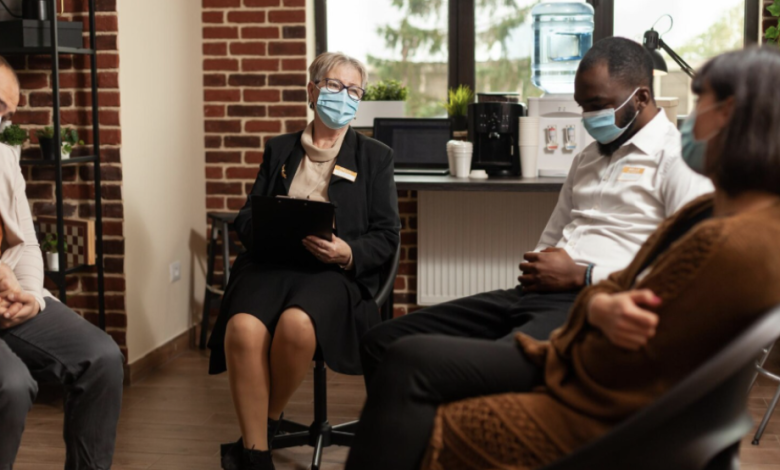
Therapy is at the heart of drug rehab. You’ll usually have individual and group therapy sessions throughout the week. In individual therapy, you’ll work one-on-one with a licensed counselor to explore the root causes of substance use.
This form of therapy seeks to examine thinking patterns, emotional triggers, or relationship issues. Some approaches, including cognitive-behavioral therapy, aim to identify negative thinking patterns and replace them with healthier responses.
Group therapy is also a key component of the timetable. In group therapy, individuals get to share their experiences with others recovering from addiction. Listening to each other can help those seeking help to feel less isolated and to overcome shame around their own addiction.
Some programs offer family therapy, which often involves creating greater levels of trust and support, restoring boundaries that have been broken because of addiction.
4. Education about Addiction
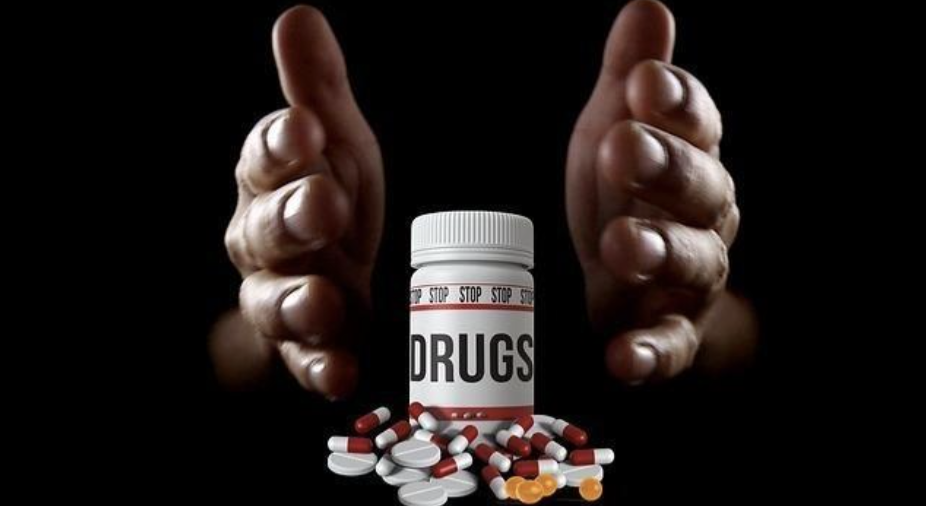
Rehab programs with professional facilities will give you classes that teach you about the science behind your addiction. You’ll learn about how drugs work to stimulate the brain’s reward center and impair its frontal lobes so that decision-making abilities become compromised. If you know what tolerance, dependence, and cravings are, maybe it will reduce your self-loathing.
Education could help with that, too. For instance, high THC cannabis might make some people more prone to experiencing anxiety or changes in mood. Alcohol misuse can affect liver function and cognitive health. The more you know about how substances impact your body and mind, the better decisions you can make for yourself down the line.
5. Medication Assisted Treatment When Needed
In some instances, medication-assisted treatment may be appropriate. This type of treatment combines ongoing therapy with medications that can help to reduce cravings or prevent the effects of certain drugs.
For opioid use disorder, medications like buprenorphine can help stabilize brain chemistry. For alcohol use disorder, specific medications may decrease the desire to drink. These medications are prescribed and monitored.
Medication is meant to support ongoing treatment and not necessarily replace it. It is most effective when provided along with counseling and other behavioral therapies.
6. Peer Support and Community

Recovery can feel isolating at the beginning. In rehab, you are living with people who can relate to your story. Everyday activities, talks, and group sessions build a sense of family.
Many programs introduce peer support models, e.g., 12-step meetings or other recovery programs and/or frameworks. These approaches help build accountability, continuous reflection, and personal growth, enabling you to stay sober after you leave.
Conclusion
When you attend a drug and alcohol rehab provided by professionals, you’re not just coming to a place where you can quit using substances. You’re entering into a program with medical oversight, structure, therapy, education, and peer support in a secure environment. Every part of the program helps you stabilize and learn life skills.
Knowing what really goes on in a professional drug and alcohol rehab facility helps decrease some of the fear and stigma associated with drug use problems. For those looking for help, this might shine a little light so you can take the next step with more understanding and hope.