The pace of change may be so smooth you don’t even notice how smart cities are getting day by day. At first, it’s traffic lights and streetlights that adjust in use depending on things like traffic or time of day. Then, there are sensors in bins that alert when they’re full. And train or bus schedules that change depending on demand. Slowly, you live in a city that thinks for you – and there’s no turning back from that. It’s just becoming increasingly intelligent.
This isn’t just a digital transformation; it’s a complete rethinking of urban life, and is powered by AI. AI is quietly weaving itself into the structure of entire cities – from reducing energy waste to optimizing the flow of people and goods, it’s transforming every corner of the environments that surround you. You may not feel it yet, but it’s on the way. You’re not the only one wondering how life is in a city that truly maximizes AI.
Rethinking infrastructure with AI for smarter cities
AI-powered cities are mainly focused on the very things that make urban life function: lights, buildings, roads, utilities, civic services. Each of these areas is getting an intelligent upgrade.
Smarter buildings
Gone are the days when buildings were one-purpose structures. Today, AI streamlines increasingly more aspects of living, starting with energy usage monitoring, to pattern learning, to automatic system adjustments, and so forth. Heating and cooling shift in real-time based on the weather, occupancy, and even inhabitants’ personal schedules and preferences. Lights turn off when rooms become empty. Elevators can predict user demand. The outcome? Drastically reduced waste and bills, a smoother, more comfortable environment, and a lower environmental impact. Imagine living in an apartment where the temperature is ideal all the time, lights follow your rhythm, appliances start running when you need them, and your energy bills are a fraction of what they used to be. That’s the promise of AI-enhanced buildings.
Intelligent traffic flow
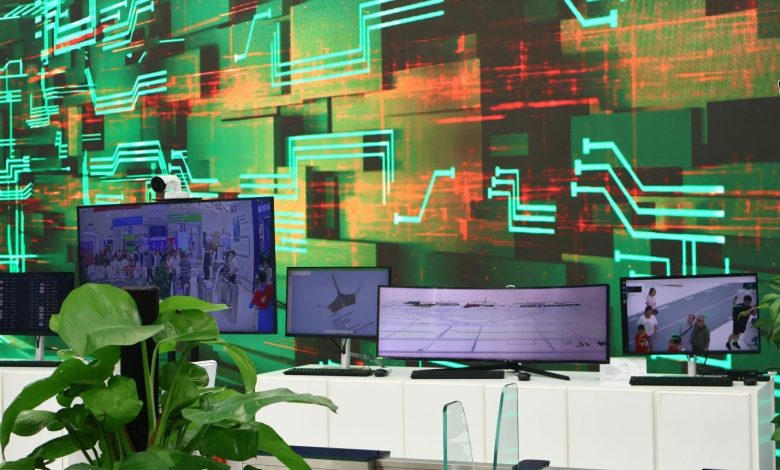
One of the easiest ways to observe how AI impacts city life is via traffic management. Cameras, GPS, and sensors pack up AI systems with vast amounts of data, helping to predict bottlenecks before they happen, adjust traffic signals dynamically, and even reroute commuters based on traffic flow in more advanced states. The difference is noticeable to the naked eye: red lights are no longer frustratingly long, green lights appear when they’re needed, and overall travel and waiting times shrink. Emissions drop as cars spend less time in interminable crowds. Even public transport benefits: buses adjust routes in real-time based on passenger demand, leading to fewer overcrowded trips and more reliable services.
Adaptive streetlights
Streetlights no longer depend on systematized, fixed schedules; they’re now upgrading with AI sensors to detect motion and illuminate streets when pedestrians pass, or dim them when areas are quiet. Besides energy savings, this improves overall public safety without the intrusive feel of constant, blinding light.
AI-driven cities working as personal assistants
City infrastructure is something AI has long revolutionized, and with it being increasingly common, it’s time we looked at how the technology can help residents themselves.
Digital assistance around
Imagine an AI assistant that isn’t confined to your phone like ChatGPT or Alexa are. Street kiosks, public apps, and even embedded systems in your office work together to answer questions, suggest routes, map stores and public establishments, offer emergency calls, and notify you about events, to exemplify a few. Want to know the quietest time to run errands? Or the best variety of products? What about which bus will get you to work fastest today? AI can tell you in real-time. Those videos you see on social media, with people having their hair styled by robots in seconds? They’re real, too, and also based on AI.
Healthcare and safety
Public safety can also benefit from AI; more exactly, predictive analytics. Hot spots for crime are constantly monitored, and resources are more intelligently distributed. Emergency services use AI to anticipate periods of heightened demand, like holidays, reducing response times. Even healthcare can leverage AI: sensors in public spaces detect all sorts of medical emergencies as they occur, and medical teams found in the accident’s proximity are instantly notified.
The daily experience
Living in an AI-empowered city can change more aspects of your life than you’d imagine. At first, you might notice it first in small conveniences, which tend to add up in time as the city continues to invest in AI strategically. Imagine:
- Public safety notifications on your phone when there’s an emergency nearby
- Parking spaces guiding you through the app, reducing time and congestion
- Buildings that adjust heating, cooling, lighting
- Elevators that seem to know when you arrive.
In time, the city starts to feel less random, and more like an ecosystem that responds to you. It’s important to note that AI doesn’t eliminate human involvement or choice. It enhances it. You still decide when to leave home, where to meet friends, or which café to visit. The city just helps you do it more efficiently.
Challenges and considerations
Of course, life in AI-powered cities isn’t without challenges or questions – privacy is a major concern. With cameras, sensors, and data collection pretty much everywhere, residents must truly trust the systems that manage that information to not feel invaded and vulnerable. Algorithmic biases can impact public services if not tracked carefully, and choosing to integrate AI in such important systems brings about the need to invest in robust, flawless cybersecurity to prevent disruptions.
Yet, with careful design and transparent governance, such challenges can be managed. The benefits – efficiency, sustainability, safety, convenience – can often outweigh the risks.
Endnote
AI cities aren’t SF – they’re here, and they’re growing. From autonomous vehicles on the street to predictive energy grids that adjust demand based on real insight, urban life evolves at a breakneck pace. Living in such a city means partaking in a system that learns and adapts and contributing to the progress. AI isn’t only capable of making cities smarter, but also safer, more entertaining, and more human.