A Web Scraper API is a comprehensive data extraction package designed to ensure uninterrupted data collection. It eliminates the need to create your own bottom-up solutions, saving you and your business time and money. This article details how you can use a Web Scraper API to collect vast amounts of data that can help your business grow and meet your business needs.
What is a Web Scraper API?
A Web Scraper API is a web scraping software that handles all the steps involved in web data extraction and delivers data based on the instructions captured in an API call. These steps include sending requests to the target site via a proxy, receiving the responses, parsing the data, and more. Advanced Web Scraper APIs can also simulate clicks, mimicking a real user’s interaction with the site. They also handle JavaScript rendering, create custom headers and cookies, and rotate the IP addresses.
Features of Web Scraper API
Web scraper APIs offer several features that, combined, enable uninterrupted data collection.
- Proxy integration: Leading Web Scraper APIs automatically integrate premium proxies. They also manage the proxies and rotate the IP addresses to minimize IP bans. The proxy integration offers several benefits as detailed below.
- CAPTCHA bypass: The Web Scraper API implements measures that avoid CAPTCHA puzzles. And in cases where CAPTCHAs are displayed, thus curtailing the data extraction, these tools automatically resend requests.
- Customizable parser: Some providers allow you to instruct the Web Scraper API on how it should parse the data. For instance, you can define what CSS or XPath selectors the scraper should focus on or even create fully reusable parser presets.
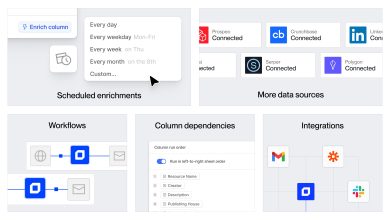
- Scheduler for recurring scraping: Some providers offer schedulers that automate recurring web scraping projects.
- An integrated headless browser, which enables the browser to render JavaScript-heavy websites and, therefore, extract data from dynamic webpages.
- Browser interaction: The best Web Scraper API services automate scrolls, clicks, and input to ensure that the tool loads dynamic content. These interactions also simulate user behavior, reducing the risk of being blocked.
- Custom header and cookies: The Web Scraper API generates custom headers and cookies, making the requests appear as if they were sent from a real user’s device.
Benefits of the Web Scraper API
The benefits of a web scraper API include:
- Scalability: The web scraper API can handle both small and large-scale data extraction projects with minimal infrastructure costs and necessary overhead.
- Reliability: Scraping APIs are maintained around the clock by teams of qualified engineers, ensuring it is always available for use. In addition, their built-in features minimize IP blocks and CAPTCHA challenges, which can slow down any and all data collection.
- Cost-efficiency: Web Scraper API eliminates the need to build your own data collection tool, providing a powerful alternative that requires no regular maintenance and no advanced programming knowledge. By handling development and maintenance, the API provider saves you time, money, and human resources.
- The API can collect data from complex websites, thanks to its built-in headless browser, custom headers and cookies, and automated user interactions to load dynamic content.
- With advanced Web Scraper APIs, you can use the scheduling feature to automate recurring web scraping projects, giving you better results in the long run.
- Proxy integration enables localized data collection. In addition, it allows you to access geo-restricted content from various countries worldwide.
- It delivers structured data, which can be readily analyzed to generate insights.
Uses of Web Scraper API
The web scraper API can be used in a number of industries, including:
- Real estate: If you are a real estate agent, you can scrape and analyze data about property prices to come up with competitive prices for your listings.
- E-commerce: You can use the Web Scraper API to extract data such as product listings, prices, customer sentiments, and product descriptions from e-commerce stores. You can then use this information to guide your product launch, adjust pricing, and personalize the shopping experience.
- Marketing: You can use the Web Scraper API to gather information about competitors’ marketing strategies as well as customer sentiments. You can then develop personalized, differentiated marketing campaigns that touch on customers’ needs.
- SEO: You can scrape search engine results pages (SERP) for information that will guide your SEO and content strategy. These insights can help you create high-ranking web pages that boost traffic to your website and generate sales.
- AI development: A Web Scraper AI can deliver data used to train AI models.
- Competitive market intelligence: You can collect data about competitors and the market size, enabling you to make better business decisions.
- Travel and booking: Companies in this space can extract real-time pricing and availability data from airlines and hotels that they can then present to their customers.
Conclusion
A Web Scraper API is designed to handle small and large-scale data extraction projects. This makes it ideal for businesses looking to collect large volumes of data and gain data-driven insights into competitors, customers, marketing strategies, and more. It is also a cheaper and more powerful option compared to an in-house web scraper developed from scratch.