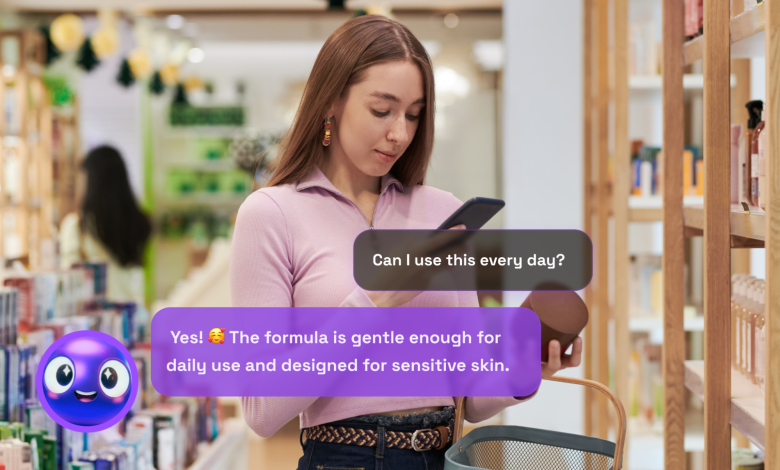
For over a decade, QR codes have functioned as silent shortcuts—a quick scan that simply drops a user onto a static webpage. While this utility transformed modern marketing and logistics, the interaction remained entirely one-sided. Today’s consumers demand immediate, personalized digital experiences. The traditional “scan, read, and leave” model is no longer enough to satisfy a customer holding a product in a retail aisle, a diner looking at a menu, or a homebuyer standing outside a property.
Enter QRCodeKIT and their groundbreaking new AI agent, Cleo. By embedding an intelligent, conversational AI directly into the destination of a QR code, QRCodeKIT is fundamentally changing the nature of this ubiquitous technology. Instead of merely linking to a website, the QR code now acts as a dynamic gateway to a real-time conversation, answering user questions instantly based on a brand’s existing content. Additionally, QRCodeKIT has just launched their Model Context Protocol (MCP). This breakthrough means QRCodeKIT can now be used directly from within platforms like ChatGPT, Claude, and other major AI assistants. Users can generate, manage, and deploy QR codes through natural language, without ever leaving the conversation — making QRCodeKIT the first QR code generator natively available inside AI agents. To understand how this innovation is redefining the digital landscape, we sat down with Paula Rivero, COO of QRCodeKIT, to discuss Cleo, conversational QR codes, and the future of consumer interaction.
QRCodeKIT pioneered the dynamic QR code back in 2009. How did the team identify the need to evolve from dynamic destinations to interactive, AI-driven dialogues with Cleo?
Paula Rivero: Innovation in QR has rarely come from the obvious places, and it’s almost always come from us. QRCodeKIT – uQR.me at the time – introduced dynamic QR codes in 2009, meaning the ability to change a code’s destination without reprinting it. This is what made QR commercially viable in the first place. We were the first to launch QR digital business cards, and the first to launch QR menus for hospitality. Cleo, our AI agent that lives inside QR codes, is the logical next step. The destination has been dynamic for fifteen years. Now it can also respond. If the page behind the code can change, why shouldn’t it also be able to answer?
Cleo can answer real-time questions in the visitor’s own language based solely on a brand’s published content. How does this specific constraint ensure brand safety and accuracy for the businesses using it?
Paula Rivero: Cleo’s answers are grounded in the brand’s own content: the text, descriptions, images, and documents the business has already published behind the QR code that become our agent’s knowledge base. It doesn’t invent product specs, prices, or claims, and it doesn’t pull from the open web. This is by design. A QR code is a brand surface, and brands need to know that whatever speaks from it speaks with their voice. When a visitor asks something the brand hasn’t published, or something Cleo shouldn’t speak on — allergy and health-related questions are a clear example — Cleo says so transparently and invites the visitor to reach out to the business directly. We’d rather Cleo say “please check with a staff member” than guess.
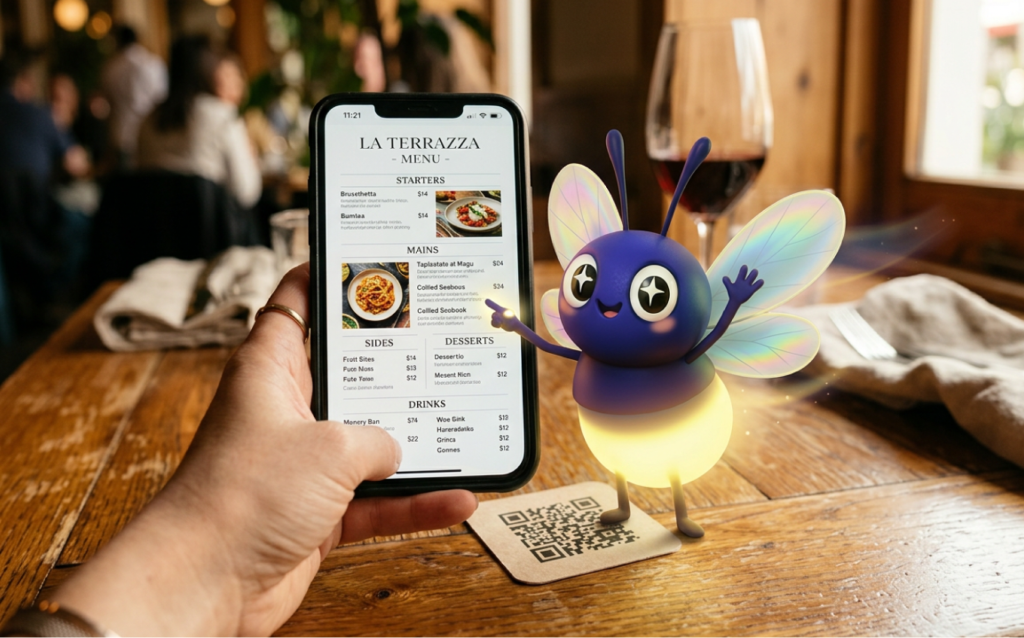
With a simple “one-click activation,” Cleo can build a knowledge base in seconds without any prompt engineering. Can you walk us through how businesses manage and refine the agent’s knowledge once it’s live?
Paula Rivero: Management is intentionally simple. Cleo draws from the same landing page the business already maintains in QRCodeKIT: copy, FAQs, gallery content, links, etc. plus any attached documents. So refining what the agent knows means editing the landing page itself, in the same place operators were already working. There’s no parallel system to maintain, no separate AI dashboard to learn. If a brand updates a product description, adds a new PDF, or rewrites a section, Cleo picks it up immediately and reflects it across every scan, worldwide. Operators can also restrict topics they don’t want Cleo to engage with or set a specific tone of voice. The principle is that the agent is always a direct expression of what the brand has chosen to publish, not a separate entity to manage.
You mentioned that with Cleo, “the object on the other side of the code starts to speak.” Can you describe the kinds of conversations brands are seeing in early deployments, and which use cases are surprising you?
Paula Rivero: The interesting cases are the ones that replace something else entirely. Industrial equipment is a good example: a manufacturer has put a Cleo-enabled code on a machine, and the technician on site can ask it about maintenance procedures, error codes, or part numbers, replacing a call to a support line that may or may not pick up. Cultural institutions are using it to generate custom tour guides in the visitor’s native language, based on their actual tastes and interests. And in B2B sales, we’re seeing trade show materials carry Cleo so that a prospect who picks up a brochure after the booth has closed can still get their questions answered, without waiting for a sales rep to email back on Monday.
QRCodeKIT serves over 1.2 million businesses across industries as different as hospitality, retail, and real estate. What changes when a brand stops treating a QR code as a link and starts treating it as a conversational touchpoint?
Paula Rivero: The QR code stops being a one-way handoff and becomes a touchpoint that responds. That’s a bigger shift than it sounds. For fifteen years, brands have invested in the page behind the code: better landing pages, better content, better design. But the visitor experience ended the moment something wasn’t there. With Cleo, the same content becomes interrogable. The brand’s existing investment in communication assets starts working harder, because every word the brand has published can now be reached through a question instead of a scroll. We’re letting what brands have already produced do more.
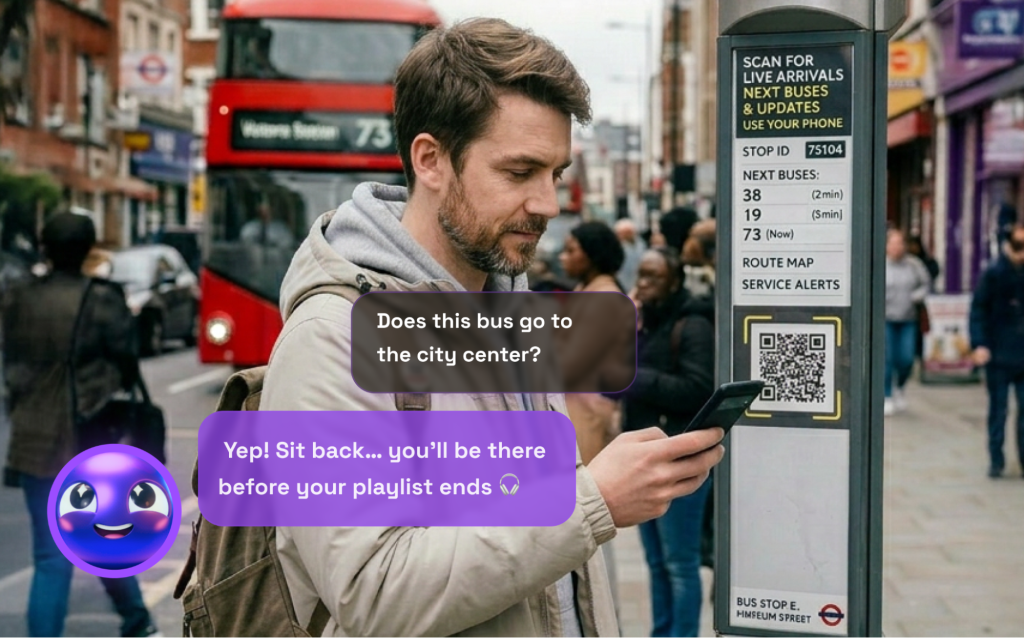
As AI continues to embed itself into everyday physical objects and digital workflows, what is the next frontier for QRCodeKIT, especially following your recent MCP integration, and the evolution of the QR code?
Paula Rivero: These two launches connect more than they look. With Cleo, the QR code itself becomes conversational on the consumer side. With our MCP for QR codes, QR creation becomes conversational on the operator side. You can ask ChatGPT or Claude to generate, update, or manage your QR codes in natural language, which makes QRCodeKIT the first QR code platform available natively inside AI agents. The next step on our roadmap is closing the loop: managing not just the code, but Cleo itself, through the same AI interface. Beyond that, we think QR codes are becoming what they always should have been: the connective tissue between physical objects and digital intelligence. Anything carrying a code can now have a voice, and any AI agent can now reach into the physical world through them. That’s a significant shift, and we’re early.
The introduction of Cleo marks a pivotal shift in how we interact with the physical world around us. By transforming a simple, silent square into a conversational AI agent, QRCodeKIT is bridging the gap between physical products and digital intelligence. This shift not only empowers consumers with instant, multilingual answers but also equips brands with unprecedented tools for engagement, customer service, and real-time data tracking without the need for additional staff or complex tech infrastructure.
Looking forward, the concept of “conversational QR codes” is poised to become the new standard across retail, real estate, hospitality, and beyond. As everyday objects gain a “voice” and the ability to interact intelligently with consumers, and as the creation process becomes as simple as chatting naturally with ChatGPT or Claude, the line between physical goods and digital assistants will continue to blur. QRCodeKIT’s latest innovation ensures that brands are not just passively directing traffic but actively engaging their audience at the exact moment of curiosity; all from within their preferred AI ecosystem.
To learn more, visit https://qrcodekit.com/