The digital transformation of music is more than just streaming. It’s about data. It’s about the ability to dissect sound into its fundamental components.
For decades, music producers have faced a tedious challenge: transcribing audio performances into editable MIDI data. This was a process often requiring skilled ears, hours of manual input, or expensive, unreliable hardware.
But the game is changing.
The advent of sophisticated AI, fueled by vast datasets, is making this task almost instantaneous. This shift isn’t just a convenience; it’s a catalyst for the democratization of music production and a significant driver for the digital music market.
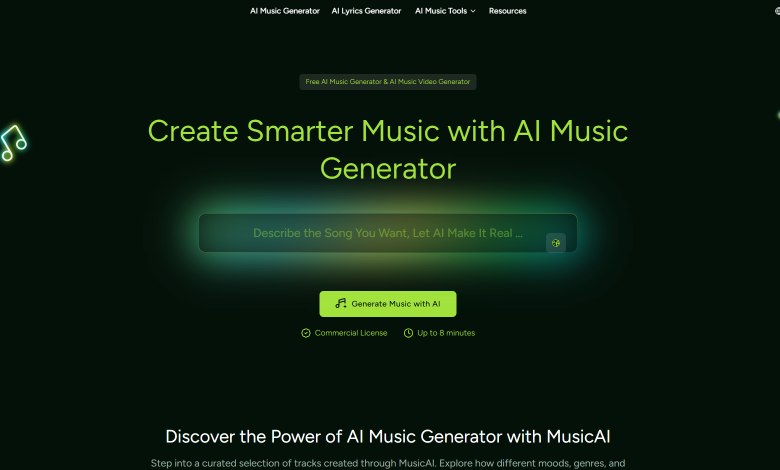
Today, we’re examining MusicAI, a platform at the forefront of this revolution, with a particular focus on its Audio to MIDI conversion capabilities. This isn’t a sales pitch. This is an objective exploration of how a data-driven tool impacts the creative process and the broader digital content landscape.
The Data-Driven Revolution in Music Creation
The heart of modern AI music lies in intelligent data processing. Every popular track, every genre trend, every sonic preference contributes to the datasets that train these advanced algorithms. This constant feedback loop empowers AI to understand, predict, and ultimately, create.
MusicAI, like other leading platforms, leverages vast amounts of audio and musical information. This allows it to identify patterns in waveforms that correspond to specific notes, rhythms, and instrument articulations. The result? AThe Skills Equation: Addressing Labor Challenges digital brain capable of deconstructing complex audio into its editable core.
The impact extends beyond mere transcription. It enables new forms of creative expression and market efficiency.
MusicAI: A Closer Look at its Core Function
The Genesis and Mission
MusicAI emerged from the understanding that musical ideas often start as raw audio – a hummed melody, a recorded guitar riff, or even a beatboxed rhythm. Its core purpose is to bridge the gap between spontaneous audio capture and structured, editable digital music. It aims to empower creators by providing tools that streamline the initial stages of production.
Key Operational Features
At its heart, MusicAI is designed to simplify complex musical tasks.
- Intuitive Interface: The platform prides itself on a user-friendly design, making advanced Audio to MIDI conversion accessible to non-technical users.
- Diverse Instrument Recognition: It aims to accurately convert various monophonic and polyphonic instruments.
- Tempo and Key Detection: Beyond notes, it intelligently analyzes the underlying structure of the audio input.
My Hands-On Experience with Audio to MIDI
I approached MusicAI with a series of real-world challenges. My goal was to push its Audio to MIDI conversion feature to its limits, simulating scenarios a typical producer or content creator might encounter.
Scenario 1: The Acoustic Guitar Riff
I recorded a complex fingerpicked acoustic guitar riff. The performance had a few subtle bends and some quick arpeggios. I uploaded the WAV file to MusicAI.
- Initial Analysis: The platform processed the audio relatively quickly, taking less than a minute for a 30-second clip.
- MIDI Output: The generated MIDI file accurately captured most of the notes. Pitch bends were approximated but not perfectly smooth, which is a common challenge for Audio to MIDI converters. Rhythmic quantization was generally tight.
Scenario 2: The Vocal Melody
Next, I hummed a simple, yet expressive, vocal melody. This is a common starting point for songwriters.
- Result: MusicAI successfully translated the pitch information into MIDI notes. The duration of the notes was also well-preserved. However, some of the subtle vocal inflections were lost in translation, resulting in a more robotic MIDI line.
Scenario 3: A Simple Piano Chord Progression
Finally, I played a short, four-chord progression on a digital piano and fed the audio into the system.
- Polyphonic Handling: This was a crucial test. MusicAI managed to identify the individual notes within the chords with reasonable accuracy. There were a few ghost notes (incorrectly detected notes), but overall, it provided a solid foundation for further editing.
Overall Impression: The Audio to MIDI function is robust for clear, well-recorded audio. It provides an excellent starting point for editing, rather than a final, perfect transcription.
How Digitalization Fuels Music Production & Marketing
The ability to instantly convert Audio to MIDI isn’t just a technical trick; it’s a powerful enabler for the digital economy of music.
Empowering Rapid Prototyping
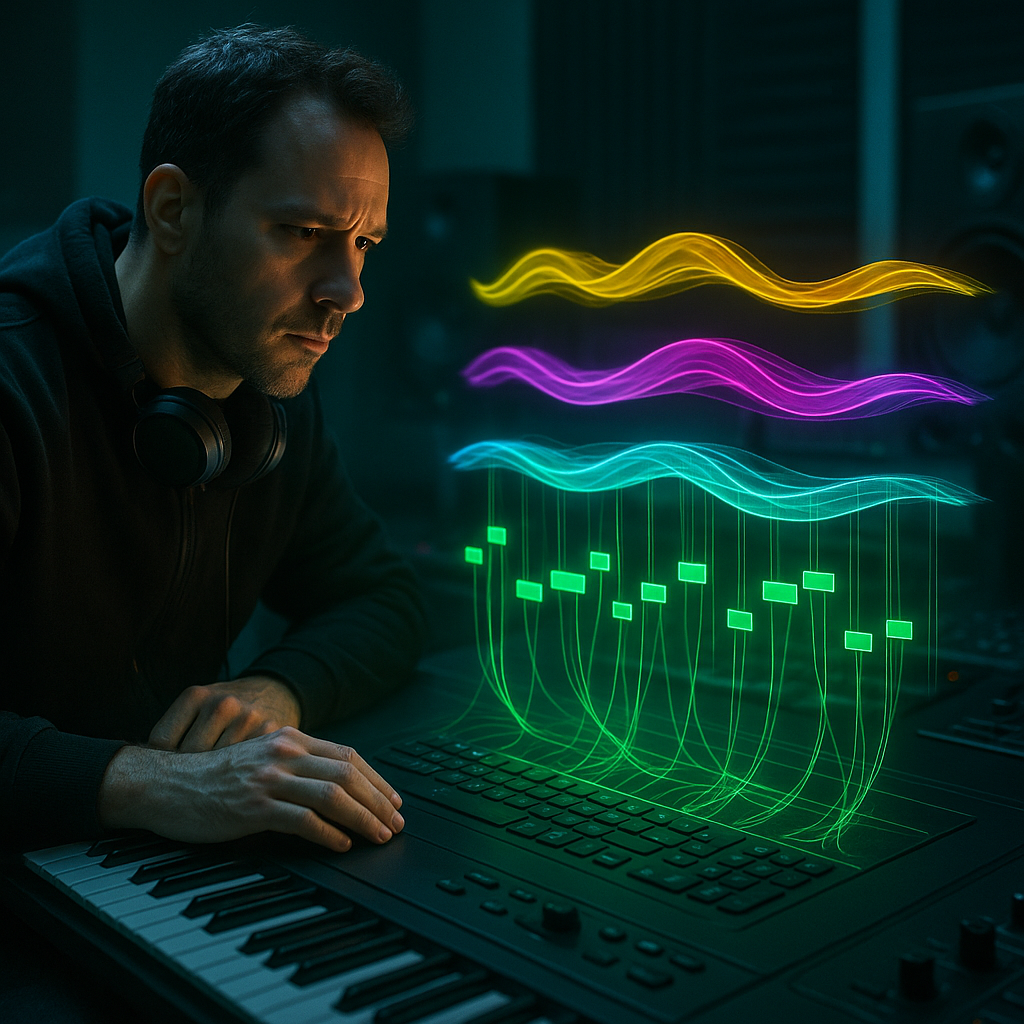
Before MusicAI, experimenting with different instrument sounds for a melody meant re-recording or manually inputting every note. Now, a producer can record a single vocal line, convert it to MIDI, and instantly hear it played by a synth, a piano, or even an orchestral string section. This accelerates the creative iteration cycle exponentially.
Driving Market Accessibility
This type of AI tool lowers the barrier to entry for aspiring musicians and content creators. They no longer need extensive music theory knowledge or instrumental proficiency to realize their musical ideas digitally. A viral melody hummed into a phone can become a fully produced track in minutes, ready for a social media campaign or a product launch video.
Fostering Digital Content Transformation
In the marketing world, custom music is king. Brands want unique sound identities for their ads, podcasts, and digital campaigns.
- Personalization: Marketers can now take existing audio snippets – perhaps from a customer testimonial – convert them to MIDI, and then build a bespoke musical score around the emotional tone of the voice.
- Speed to Market: The ability to quickly generate musical assets means campaigns can be deployed faster, reacting to real-time trends. This agility is crucial in the fast-paced digital marketing landscape.
According to a 2023 report by Grand View Research, the global music production software market is projected to grow significantly, driven in part by AI-powered tools that streamline workflows and expand user bases.
MusicAI’s Role in the Evolving Digital Market
Strengths and Advantages
- User Experience: MusicAI’s focus on a clean interface makes it less intimidating for newcomers.
- Efficiency: For creators who need quick turnaround, especially for social media content, the Audio to MIDI feature is a significant time-saver.
- Foundation Building: It excels at providing a solid, editable musical blueprint from raw audio.
Considerations and Areas for Development
- Complex Polyphony: While good, it still struggles with dense, multi-instrumental audio, sometimes merging notes or missing subtle harmonies.
- Expressive Nuance: The MIDI output can sometimes lack the “human feel” of the original performance, requiring manual adjustment of velocity and timing for a more organic sound. This is a common hurdle for all Audio to MIDI converters.
Who Benefits Most?
MusicAI’s Audio to MIDI functionality is particularly suited for:
- Songwriters: Quickly capture and develop melodic ideas.
- Video Editors: Generate MIDI from voiceovers to create complementary background music.
- Podcasters: Convert spoken word into rhythmic elements for intros/outros.
- Educators: Transcribe musical examples for teaching.
- Marketing Teams: Rapidly prototype custom sonic branding elements from scratch.
The Broader Impact: Data as the New Instrument
The rise of tools like MusicAI illustrates a profound shift: data is becoming as important as the instruments themselves. The algorithms are learning from the world’s music. They are turning abstract sound into concrete, editable information.
This transition isn’t just about creating music faster. It’s about empowering more people to express themselves musically, to integrate sound seamlessly into their digital lives, and to drive innovation in both music production and marketing strategies. The Audio to MIDI capability is a cornerstone of this digital transformation, allowing raw inspiration to become the structured data of tomorrow’s hit.
Concluding Thoughts: A Stepping Stone to Future Sound
MusicAI represents a vital step in the evolution of AI in music. Its Audio to MIDI feature, while not perfect in every scenario, offers significant practical value. It saves time, sparks creativity, and democratizes access to music production.
For anyone operating in the digital content space, understanding and utilizing such tools is no longer optional. It’s essential. The ability to transform raw audio into editable, flexible MIDI data is a superpower for creativity and commercial agility. The future of music is undeniably digital, and platforms like MusicAI are helping to write its score, one conversion at a time.