In the ever-evolving world of digital media, the way we handle images plays a pivotal part in website performance and user experience. With advancements in image formats, two primary contenders have surfaced in the race for superior image compression: AVIF and JPG. While both have their benefits, AVIF has quickly gained popularity for its high contraction and high-quality results, but it still has its limitations. JPG, on the other hand, remains a trusted and extensively used format for its balance of quality and train size.
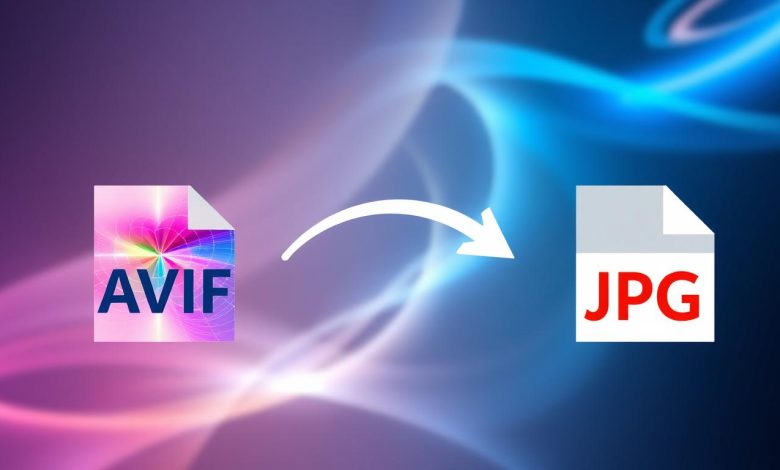
But how do you know when it’s better to convert AVIF to JPG? In this composition, we’ll break down the benefits of converting AVIF to JPG, why you should consider making the switch, and how you can efficiently convert these formats for maximum performance. Let’s dive in!
Why AVIF and JPG Are Crucial Players in Image Optimization
Before understanding why you should consider converting AVIF to JPG, it’s essential to know the basics of both image formats and their advantages.

AVIF: The freshman in the Image Format World
AVIF (AV1 Image Train Format) is a fairly new format that promises high-quality images with better contraction than its forerunners. The format offers excellent train size reduction without compromising much on image quality. AVIF is supported by ultramodern cybersurfers like Chrome, Firefox, and Edge, but it’s not widely compatible across all biases and cybersurfers yet. Similarly, it may not always be the stylish choice for websites looking for maximum comity.
JPG The Tried-and-True Image Format
JPG (or JPEG, Common Photographic Experts Group) has been the chief format of the web for decades. Its lossy contraction allows for lower train sizes while still retaining reasonable image quality, making it an excellent choice for websites, social media platforms, and digital photography. The crucial advantage of JPG is that it’s supported by nearly every platform, cybersurfer, and device. It’s the go-to format for most online operations and ensures wide compatibility.
Now that we’ve an introductory understanding of both formats, let’s explore the benefits of converting AVIF to JPG.
The Advantages of Converting AVIF to JPG
While AVIF provides remarkable contraction and quality, JPG still outshines it in certain areas. Let’s break down the top reasons why JPG might be a better choice for you.
1. Wider comity across platforms
One of the most significant benefits of JPG is its universal compatibility. Whether your followership is using a desktop, laptop, smartphone, or tablet, JPG images will load seamlessly on all devices and cybersurfers. AVIF, while emotional in quality and contraction, isn’t yet supported by age bias and several major cybersurfers. Converting AVIF to JPG ensures that everyone can view your images without issues, making it an ideal choice for web optimization.
Result: Use this bone.
for AVIF to JPG conversion
To convert AVIF to JPG snappily and fluently, use this one for AVIF to JPG conversion. This tool allows you to efficiently convert images, ensuring better quality and fast processing.
2. Faster Cargo Times for Websites
Website performance plays a pivotal part in the stoner experience and SEO. While AVIF offers great contraction rates, its complex structure can be more demanding for bias to crack, leading to longer cargo times on certain biases. JPG, on the other hand, is simpler and faster to crack, resulting in quicker cargo times.
However, JPG is the better option if you want to improve your website’s speed and make sure callers don’t have to wait too long for your images to load.
3. Ease of Image Editing and Compression
When it comes to image editing, JPG is incredibly stoner-friendly. The best image-editing software and apps are optimized for working with JPG lines, making it easier for creators and inventors to modify and optimize images as demanded. Also, JPG offers flexible contraction options, meaning you can acclimate the train size while maintaining a decent position of quality.
AVIF editing is still in its early stages, and while it’s possible to edit AVIF images, the process is more complicated and requires technical tools. This makes JPG a better choice for frequent image manipulation.
4. More for SEO and customer engagement
We all know that faster cargo times lead to a better stoner experience, but did you know they also impact SEO rankings? Search engines like Google take website performance into account when ranking websites. Faster-loading websites tend to rank higher, while slow spots frequently witness high bounce rates.
Converting AVIF to JPG can ameliorate your website’s performance, leading to briskly running loads, better user engagement, and eventually a more favorable SEO ranking.
5. Lower train sizes with good quality
Though AVIF provides superior compression, JPG still holds its ground when it comes to lower training sizes. After optimization, JPG images can achieve a very low training size without sacrificing important quality. This makes JPG a fantastic choice for websites with a lot of images or those looking to conserve bandwidth.
Indeed, though AVIF offers slightly better contraction, the difference in train size is frequently minimal when both formats are duly optimized.
6. Cybersurfer and Device Support
As mentioned before, JPG is extensively supported across all biases and cybersurfers, while AVIF is still being espoused. Not all druggies have access to AVIF-compatible cybersurfers, particularly those using aged bias or outdated software. Converting AVIF to JPG ensures that your content reaches the widest followership possible without compatibility issues.
How to Convert AVIF to JPG: A Step-by-Step Companion
Converting AVIF to JPG is easier than you might suppose. There’s a simple companion to help you through the process.
Step 1: Choose the Right Conversion Tool
There are several tools available online that make the AVIF to JPG conversion process a breeze. One of the stylish options is to use this bone.
For AVIF to JPG conversion, it’s free, presto, and dependable.
Step 2: Upload Your AVIF Image
Once you’ve named a conversion tool, upload your AVIF image. Ultimate online transformers allow you to drag and drop your train directly or upload it from the pall storehouse.
Step 3: Acclimate Image Settings (Optional)
Still, you can adjust the quality settings of your JPG image to balance between size and quality, if demanded. Lowering the quality will result in a lower train size, but make sure you don’t immolate too important visual dedication.
Step 4: Convert and Download
Click the Convert button, and the tool will convert your AVIF image into JPG format. Once the conversion is complete, you can fluently download the new JPG image, ready for use on your website or social media.
When Should You Consider Converting AVIF to JPG?
While AVIF is an excellent format in numerous cases, there are times when JPG is the better choice. Then there are some scripts where converting AVIF to JPG is ideal.
- For Maximum Compatibility, if you need to ensure your images work for all cybersurfers and biases, JPG is the safest bet.
- To Optimize for Speed, if you are aiming for faster cargo times and better website performance, JPG frequently performs better.
- For Simplified Image Editing, JPG is easier to edit and compress, making it the better option for ongoing content creation.
- When SEO is pivotal, Faster loading images can boost your site’s SEO ranking, and JPG images tend to load faster than AVIF.
Conclusion: Why You Should Make the Switch to JPG
Converting AVIF to JPG offers several compelling benefits, including wider compatibility, brisk cargo times, easier image editing, and better SEO. While AVIF may be a great choice for some use cases, JPG remains the better option for maximum performance, broad device support, and a smoother user experience.