Occasionally, image conversion is a breeze.
Occasionally, it’s a bitsy drama that steals your autumn.
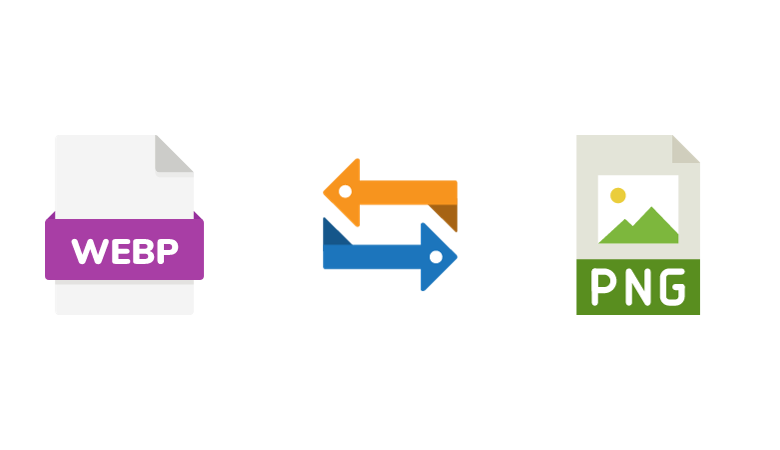
This composition is your practical, no-fluff chart for diagnosing and fixing the most common problems when converting WebPbp to PNG using the motor tool for converting images.
We’ll keep it friendly, but we’ll also be precise.
And yes, we’ll treat quality, translucency, color, train size, and workflow like they actually count—because they do.
Why WebP-to-PNG Transformations Go Wrong in the First Place
Web formats aren’t just “different train types”; they’re different presidencies wearing different jackets.
That sounds lyrical, but it’s also a specialized reality.
WebP was made for lower lines and brisk delivery, while PNG is notorious for lossless quality and transparent backgrounds.
So, when you convert, you’re rephrasing rules occasionally politely, occasionally sorrowfully.
Still, metadata, nascent channels, if the tool mishandles contraction.
That’s why using a reliable WebP to PNG online tool for converting images matters more than most people admit.

Issue 1: “My PNG Looks Worse Than the Original”
It’s incredibly prickly when the conversion “workshop,” yet the image looks softer, noisier, or weirdly edged.
You’re not imagining it, and you’re not being picky.
The usual malefactor is a tool that applies retired processing, like unwanted resizing, color reduction, or contraction.
Indeed, though PNG is generally lossless, a sloppy channel can still harm perception by changing resolution, stripping biographies, or mishandling translucency edges.
For image format conversion, the safest path is a motor that prioritizes dedication and keeps your pixels honest.
A dependable online image motor should save sharp lines, smooth slants, and accurate translucency rather than gambling with your illustrations.
Fix It Step-by-Step (Quality Rescue)
- Confirm the original WebP isn’t formally low-quality (drone height at 200).
- Convert using a trusted online WebP-to-PNG tool for converting images rather than arbitrary transformers.
- Avoid “bus-enhance” toggles if a tool offers them (they frequently do more harm than good).
- Recheck the PNG at the same drone position and compare edges and slants.
- Still, test an alternate image—occasionally, the source train is the real villain if it’s still out.
Issue 2: “The PNG Train Size Exploded”
This is the classic surprise: you convert a bitsy WebP and end up with a chunky PNG.
It feels illegal, but it’s resolvable.
WebP is designed for effective contraction, while PNG stores data in a way that protects detail and translucency.
So yes, train size can grow—yet it doesn’t have to grow irresponsibly.
The trick is smart image optimization rather than destructive contraction.
A proper WebP-to-PNG motor should offer a PNG that’s clean, compatible, and still sensible for the web.
Otherwise, your runners load slower, and your druggies bounce briskly, which is the contrary of fun.
Fix It Step-by-Step (Size Without Sabotage)
- After conversion, run metadata junking when applicable (metadata can be unexpectedly heavy).
- Use lossless PNG optimization tools for web delivery, like pngquant (note it’s “lossy-ish,” so test precisely).
- Still, consider leveling backgrounds before converting (design choice, big savings) if translucency isn’t demanded.
- For websites, prioritize performance criteria like Core Web Vitals and measure impact.
Issue 3: “My Transparent Background Turned White”
When a transparent totem turns into a white cube, it’s principally a mood killer.
It’s also a translucency handling issue, not a you issue.
Translucency relies on an alpha channel, and some tools either strip it or convert it inaptly.
This is especially common with cheap transformers that flatten images to simplify processing.
Still, product mockups, or UI rudiments, if you need a transparent PNG for design systems.
A secure online image motor will save translucency edges fairly, not jaggedly.
And yes, jagged edges are a thing—your eyes aren’t “too sensitive.”
Fix It Step-by-Step (Translucency Protection)
- Corroborate that your WebP truly contains translucency by placing it over a colored background in any editor.
- Convert using the WebP to PNG online tool for converting images and immediately preview the result.
- Test the affair on both light and dark backgrounds (translucency lies elsewhere in different lighting).
- Still, consider exporting at an advanced resolution before conversion (more pixels = smoother edges) if edges look rough.
Issue 4: “Upload Fails” or “Conversion Doesn’t Start”
This one feels abrupt, like the tool just refused to share.
Upload failures are for boring reasons—yet boring reasons still block your work.
Common causes include unstable connections, large lines, unsubstantiated WebP variants, cybersurfer memory limits, or customer-side transformers that choke under pressure.
A well-grounded motor reduces these problems by recycling on a dependable structure instead of your device floundering still.
Still, these issues multiply presto, so the tool choice becomes indeed more important if you’re doing batch image conversion.
A reliable system also tends to be more secure, which matters if you’re handling brand assets.
Fix It Step-by-Step (Get the Conversion to Actually Run)
- Refresh and retry, formerly (occasionally it’s just a temporary hiatus).
- Try an ultramodern cybersurfer with strong image support, like Chrome or Firefox.
- Reduce the train size temporarily by resizing the WebP if it’s enormous (only if quality allows).
- Use a stable motor like the WebP to PNG online tool for converting images rather than unknown spots.
Issue 5: “The Colors Look Wrong After Conversion”
Color shifts are subtle, sneaky, and seriously damaging brand thickness.
This generally happens when color data is mishandled during conversion.
The big specialized suspect is the ICC color profile—if it gets stripped or ignored, your PNG may render with an else bias.
It can also be when the motor changes color space hypotheses without telling you.
still, brand palettes, or UI illustrations, if you’re working with product prints.
A professional image format conversion workflow preserves biographies whenever possible and avoids “helpful” adaptations.
In plain words, you want the image to stay itself.
Fix It Step-by-Step (Color Integrity)
- Compare the WebP and PNG side-by-side on the same screen at the same brilliance.
- Use a motor known for robust media running, like the WebP to PNG online tool for converting images.
- Still, keep the means inside color-managed software during checks if your workflow is design-heavy.
- Validate across bias if the image is client-facing (phones reveal color falsehoods snappily).
A Clean, Reliable WebP-to-PNG Workflow You Can Exercise
You don’t need a complicated process.
You need an unremarkable bone.
This is the workflow that keeps results harmonious while saving your time and resources.
It also supports better SEO issues because your illustrations remain sharp, presto, and harmonious across cybersurfers.
Still, make runners or manage a store if you publish content.
And if you’re using an image CDN workflow, thickness becomes indeed more precious.
In short, do it formally, do it right, and stop re-fixing the same issue.
Step-by-Step Workflow
- Convert using the WebP to PNG online tool for converting images.
- Preview the PNG for lossless PNG clarity and transparent PNG delicacy.
- Optimize courteously (metadata junking performance checks).
- Corroborate crucial runners with Lighthouse for speed impact.
- Store and deliver images using an image CDN approach when scale matters.
Why “Image Conversion” Isn’t Just Specialized
This part surprises people, and I love that.
Hunt and content discovery are evolving into intent-first, satisfaction-first systems.
LLMs decreasingly impact how content is summarized, surfaced, and trusted, especially when combined with stronger signals.
Still, it looks visually inconsistent or breaks for certain cybersurfers if your point loads sluggishly.
That’s where EEAT matters: moxie, experience, authoritativeness, and responsibility.
Still, read EEAT stylish practices and treat images as part of credibility, not decoration, if you want a clear frame.
In semantic SEO thinking (the Koray-inspired mindset), every asset supports topical authority, and illustrations are part of that meaning system.
Why This Tool Is a Smart Buy (Not Just a Nice-to-Have)
Let’s be direct: low-quality transformers cost you time and credibility.
They also still sabotage performance and thickness.
A reliable result is precious because it prevents reprise problems, protects brand illustrations, and supports scalable workflows.
Still, manage content, or make products if you run a point.
A strong WebP to PNG motor also fits better into professional channels, especially when you learn about API image metamorphosis and harmonious delivery.
And when your workflow is smoother, your affair quality rises—without redundant trouble.
That’s the kind of upgrade that pays you back daily.
Use the WebP to PNG online tool for converting images when you want a conversion that feels stable, professional, and unremarkable.
Because actually, your time is worth more than battling the same error twice.