




Key Takeaways
- High equipment acquisition costs can significantly strain cash flow, making financing strategies essential for maintaining operational stability and growth
- Leasing and Hardware-as-a-Service models provide flexible alternatives to purchasing, helping businesses avoid large upfront capital expenditures
- Equipment financing spreads costs over time, preserving liquidity while enabling access to productivity-enhancing assets
- Smart financial planning should include total cost of ownership analysis, factoring in maintenance, downtime, and long-term operational expenses
- Strategic use of tax incentives, cost-saving initiatives, and structured payment plans can improve affordability and support sustainable business expansion
Understanding the Financial Impact of Equipment Acquisition
For businesses of all sizes, acquiring essential equipment is a significant financial burden. Substantial capital outlays required for new machinery or technology can quickly exhaust company reserves. Many organizations face strained cash flow, limiting their ability to invest in workforce development, marketing initiatives, and other critical operations. The past few years have only intensified these pressures, with the cost of heavy equipment rising by an average of 30% since 2020, according to industry analysts. For companies looking to scale, these steeper upfront investments require careful planning and creative financing strategies. As a result, partnering with an equipment financing company has become a popular solution for many business owners seeking more flexible funding options and improved cash management.
The resulting financial stress means some businesses delay necessary upgrades, risking lost productivity and falling behind competitors who keep their operations up to date. Spreading the cost of equipment over time rather than paying the full price upfront can make high-value assets far more accessible, especially as companies prioritize liquidity in uncertain economic conditions. By moving fixed assets onto manageable monthly payment schedules, business owners can focus on continuity and growth rather than being overwhelmed by immediate spending requirements.
Exploring Equipment Leasing as a Viable Solution
With rising purchase prices, equipment leasing offers a pragmatic alternative to outright acquisition. Leasing allows organizations to access advanced machinery and technology while sidestepping sizeable down payments or the risk of asset obsolescence. Lower upfront investment is one of the primary attractions of leasing arrangements, which often require minimal or no capital at the outset. This capital preservation is critical for organizations balancing equipment needs against other expenditures such as payroll, inventory, or expansion projects.
Leasing agreements also introduce predictability into financial planning by establishing clear, fixed monthly payments. For accounting purposes, this consistency makes budgeting easier and helps prevent surprise costs from derailing quarterly targets. In many cases, leases can also include maintenance plans or end-of-term upgrade options, ensuring companies always have access to up-to-date, reliable equipment. These features help businesses stay ahead in rapidly evolving markets without locking themselves into outdated or depreciating assets.
Leveraging Hardware as a Service (HaaS) Models
Borrowing from the success of software-as-a-service, Hardware as a Service (HaaS) is an increasingly popular option for companies striving to control IT and equipment expenditures. With HaaS, organizations essentially subscribe to hardware solutions, paying a recurring fee for ongoing access to technology infrastructure, computers, or specialized tools. Maintenance and upgrades are usually bundled with the subscription. This model eliminates large initial costs and brings exceptional flexibility as businesses expand or contract their technology needs.
HaaS is especially attractive for small and midsize companies, which are often challenged by budget limitations and the rapid pace of technological change. These arrangements allow companies to adjust quickly as technology evolves, replacing or scaling equipment with minimal administrative hassle or additional spending. Experts suggest that adopting HaaS is a smart way to streamline operations, respond to changing business conditions, and avoid getting locked into aging technology.
Utilizing Equipment Financing to Preserve Cash Flow
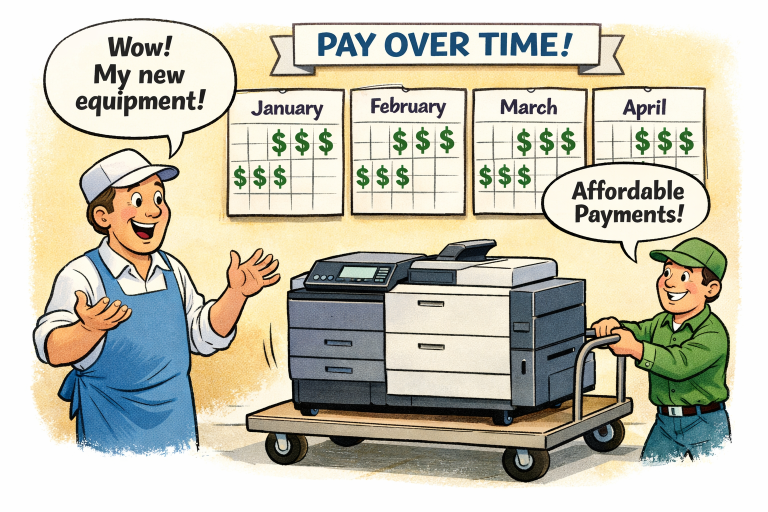
Equipment financing is another powerful strategy for companies seeking to preserve capital while continuing to invest in productivity-improving assets. Instead of purchasing equipment outright, businesses can spread the cost over a structured repayment schedule, transforming what was once an overwhelming upfront expense into a series of predictable monthly bills. Typical equipment financing agreements may last from one to seven years, offering maximum flexibility for different industry requirements and business cycles.
This approach provides two major advantages. First, it safeguards vital cash reserves for day-to-day operations and unexpected expenses. Second, it provides a sense of security during economic turbulence by enabling essential upgrades without jeopardizing other strategic initiatives. By keeping cash flow healthy, equipment financing enables innovation, expansion, and ongoing investment in other areas of the business.
Implementing Cost-Saving Strategies Without Compromising Growth
Cost reduction is a key driver for most businesses, but prudent management involves more than just slashing expenditures. By focusing on smart optimizations, organizations can boost profitability while maintaining or even accelerating growth. One of the first areas to assess is your supply chain; periodic reviews and negotiations with suppliers can help secure fair pricing and better contract terms. As external costs fluctuate, this simple step can generate substantial savings over time.
Another cost-saving measure is outsourcing non-core functions. Moving activities such as IT support, payroll processing, or janitorial services to third-party providers allows companies to focus resources on high-value, revenue-generating tasks. Moreover, adopting energy-efficient technologies or practices can reduce operating expenses while contributing to sustainability objectives.
Considering Tax Incentives for Equipment Investments
Tax policy offers additional pathways for businesses to reduce the financial burden of equipment acquisition. Provisions like Section 179 of the Internal Revenue Code allow qualifying businesses to deduct the full purchase price of eligible equipment the year it is placed into service, rather than depreciating the cost over multiple tax years. This immediate deduction can make upgrading infrastructure significantly more affordable, prompting faster investment cycles and helping companies stay technologically current.
Remaining informed about evolving tax credits and deduction policies is integral to maximizing financial benefits from equipment purchases. Strategic use of such incentives, often aided by a tax professional or accountant familiar with current regulations, can free up funds for other investments critical to business growth.
Assessing the Total Cost of Ownership
When choosing between leasing, financing, or outright purchase, businesses must analyze the total cost of ownership (TCO) for each option. TCO includes the purchase price, ongoing maintenance, potential repairs, energy consumption, and any costs associated with downtime or replacement. Leasing or financing options often provide a clearer breakdown of these expenses, accounting for contractually included maintenance and predictable payment schedules.
By factoring in the full scope of costs, business owners can make well-informed decisions that align with both short-term cash flow goals and long-term financial objectives. This disciplined approach is essential for maintaining a competitive advantage and supporting sustained success in volatile markets.
Final Thoughts
Transforming high-cost equipment into manageable monthly expenses is a strategic imperative in today’s business landscape. Leveraging options such as equipment leasing, Hardware-as-a-Service models, and structured financing empowers organizations to access essential tools while maintaining financial flexibility. Supplementing these strategies with targeted cost-saving initiatives and astute tax planning further strengthens a company’s position for growth. By carefully evaluating total cost of ownership, businesses can invest confidently in the assets that drive operational success, positioning themselves for long-term resilience and achievement.