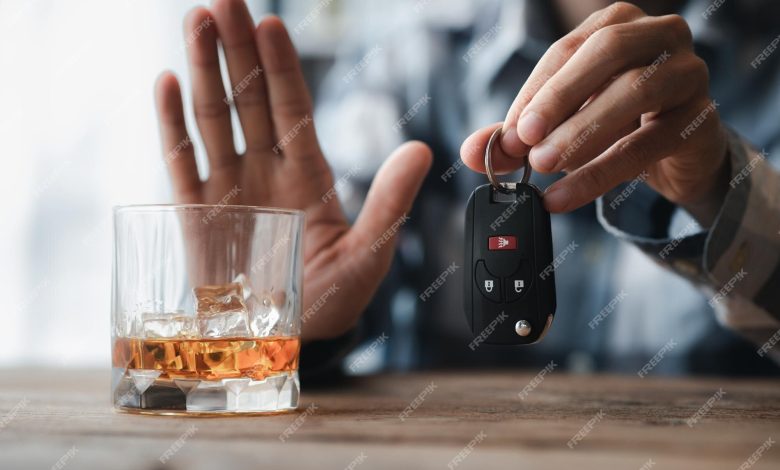
One celebration, one drink too many, and one irreversible moment. A person decides to drive home instead of calling a ride. They feel fine. They’ve driven after drinks before. Nothing bad happened those times. This time will be the same. It’s not. Drunk driving accidents in Chicago continue to devastate families who never saw it coming. The split second between deciding to drive and the impact is where choices turn into tragedy. That’s the moment when prevention actually matters.
Most drunk drivers don’t think they’re actually impaired. Alcohol impairs judgment gradually. People get progressively drunker without noticing because the impairment includes loss of ability to assess their own impairment. By the time someone is too drunk to drive, they’ve already lost the judgment to recognize it. They feel fine. They feel in control. They feel capable. That feeling is the lie that alcohol tells.
Drunk driving accidents in Chicago kill and injure people who had nothing to do with the drunk driver’s choice. A sober driver gets hit. A sober pedestrian gets struck. A sober family in another car gets wiped out by someone else’s impairment. The victims of drunk driving are rarely the drunk driver. They’re innocent people who did everything right and got hurt by someone else’s negligence.
The Myths About “Just One More”
Alcohol affects driving ability long before you feel drunk. Your blood alcohol concentration starts impairing judgment and reaction time after a single drink. You might feel completely capable after one or two drinks, but you’re already impaired. That single drink slows reaction time meaningfully. That’s enough to cause accidents in tight situations.
The body processes alcohol at a fixed rate regardless of how much you drink. One drink per hour is the rough guideline for how fast your body eliminates alcohol. Drink three drinks in an hour and your body can only eliminate one of them. The other two accumulate. Waiting doesn’t help because people rarely wait between drinks at social events. They drink continuously, and impairment accumulates correspondingly.
The myth of being a “good drunk driver” kills people. Some people claim they drive fine when drunk. They’ve done it many times. That repetition doesn’t mean they’re safe. It means they’ve been lucky. They’ve driven impaired without hitting anyone yet. That luck compounds with every drive. Eventually, luck runs out.
Medication combined with alcohol intensifies impairment. Prescription medications already slow reaction time. Add alcohol and impairment doubles. People don’t always realize that medications make alcohol more dangerous. They take the same amount of alcohol they always do and discover they’re more impaired than expected.
The Ripple Effects After the Crash
Victims of drunk driving face injuries and trauma they didn’t choose. A family loses someone. Children lose parents. Spouses lose partners. The drunk driver goes home eventually. Victims live with consequences forever. That injustice defines why drunk driving is treated so seriously legally and socially.
Drunk drivers sometimes face criminal charges. DUI arrests. License suspension. Jail time. But criminals go to jail and come home. Victims injured in drunk driving accidents sometimes never fully recover. They suffer permanent disability. They live with chronic pain. They struggle psychologically with knowing they were hurt by someone’s negligence.
Financially, victims of drunk driving accidents face enormous costs. Medical treatment extends for months or years. Lost income from inability to work. Ongoing care needs. Psychological counseling. These costs devastate families that should never have borne them. Insurance sometimes pays. Lawsuits sometimes result in judgments. But money can’t restore health or undo trauma.
Families of drunk driving victims often become advocates. They share stories. They push for policy changes. They work to prevent other families from experiencing the same losses. That advocacy transforms personal tragedy into systemic prevention efforts.
How Awareness Is Changing the Culture
Technology provides alternatives to drunk driving. Ride-sharing apps put a car at your location in minutes. Designated driver services exist in most cities. Taxis remain available. The options are abundant. The barrier to using them is usually just deciding to use them before drinking starts.
Breathalyzer devices let people test their impairment before driving. Personal breathalyzers aren’t perfect but give information. Knowing your actual blood alcohol level sometimes changes decisions that feeling fine wouldn’t change. Technology can’t prevent all drunk driving but it provides tools for people willing to use them.
Workplace education about drunk driving risks spreads awareness. Schools educate young people about impairment effects. These educational efforts prevent some drunk driving by changing cultural acceptance. When drunk driving becomes seen as reckless rather than normal, fewer people do it.
Enforcement of drunk driving laws sends clear messages. DUI arrests get serious. Convictions result in license suspension and insurance consequences that persist for years. That legal consequence creates disincentive that prevention messaging sometimes doesn’t create.
Conclusion
The line between celebration and catastrophe is thinner than a glass rim. One more drink. One decision to drive instead of calling a ride. One moment where judgment fails. That’s all it takes. The tragedy isn’t that drunk driving happens. The tragedy is that it’s entirely preventable.
Chicago residents who choose not to drive after drinking prevent accidents. They protect themselves and everyone else on the road. They’re the ones creating the culture where drunk driving becomes rarer. That individual choice multiplied across thousands of people creates systemic change.
Every drunk driving accident injures or kills people who deserved better. Those victims deserved to arrive home safely. They deserved to see their families. They deserved to complete the journeys they started. Preventing drunk driving is how we honor those who’ve been lost to it.