The world of financial trading has undergone a profound transformation in recent years. Traditional strategies, reliant on manual analysis and human intuition, are increasingly being supplemented, or even replaced, by artificial intelligence (AI) tools that offer unprecedented speed, accuracy, and predictive power. This shift has given rise to AI-powered trading, a revolutionary approach that leverages machine learning, big data, and advanced algorithms to optimize trading decisions. For both novice traders and seasoned professionals, understanding and experimenting with these tools has never been more critical. One of the most practical ways to do this is through a trading simulator designed to incorporate modern AI technologies.
Understanding AI in Trading
Artificial intelligence in trading refers to the use of computer systems to analyze large datasets, identify patterns, and make decisions with minimal human intervention. These AI systems can process volumes of information that no human could realistically manage, spotting trends and anomalies across global markets in real time. From predicting stock price movements to identifying the best times to enter or exit a trade, AI algorithms are reshaping the landscape of financial decision-making.
Several forms of AI are used in trading:
- Machine Learning (ML): Algorithms learn from historical data to predict future market behavior. For instance, ML can identify subtle correlations between asset classes that humans might overlook.
- Natural Language Processing (NLP): AI systems can process financial news, earnings reports, and even social media sentiment to anticipate market shifts.
- Algorithmic Trading: Predefined AI-driven rules execute trades at optimal speeds, maximizing profit potential while minimizing risk exposure.
These technologies offer several advantages. AI-powered trading systems are faster, more efficient, and often more objective than human traders. They can operate 24/7, adapt to new market conditions, and make data-driven decisions that minimize emotional bias.
Why Traders Need Simulators
Despite the power of AI tools, one key challenge remains: the need to practice and refine trading strategies without risking real capital. This is where trading simulators become essential. A simulator provides a risk-free environment where traders can test AI-driven strategies, analyze outcomes, and learn the nuances of the market.
The benefits of using a simulator include:
- Safe Experimentation: Traders can explore AI tools, apply various strategies, and see results without financial risk.
- Skill Development: Simulators allow users to understand market dynamics, manage virtual portfolios, and develop trading discipline.
- Strategy Optimization: AI-driven simulators can provide feedback on trading approaches, helping refine algorithms and improve decision-making.
For anyone interested in AI-powered trading, a well-designed simulator is more than just a learning tool; it’s an indispensable platform for building confidence and competence.
Selecting the Right Trading Simulator
With the growing interest in AI-driven trading, the market is flooded with various simulators. However, not all platforms offer the same level of realism or AI integration. Choosing the right tool can significantly influence your learning curve and eventual trading success.
Key features to look for in a trading simulator include:
- AI Integration: The simulator should incorporate predictive analytics, machine learning models, or algorithmic trading options to mirror real-world AI applications.
- Realistic Market Conditions: Effective simulators replicate real market volatility, liquidity, and transaction costs, providing a realistic trading experience.
- Educational Support: Tutorials, strategy guides, and data analytics tools can enhance the learning experience for both beginners and advanced users.
- Customizable Strategies: The ability to test multiple strategies, adjust parameters, and simulate different market scenarios is essential for developing robust trading approaches.
A growing number of traders are discovering the value of combining AI tools with simulation platforms. This approach allows users to bridge the gap between theoretical knowledge and practical application, preparing them for real-world market conditions.
The Role of AI in Trading Simulators
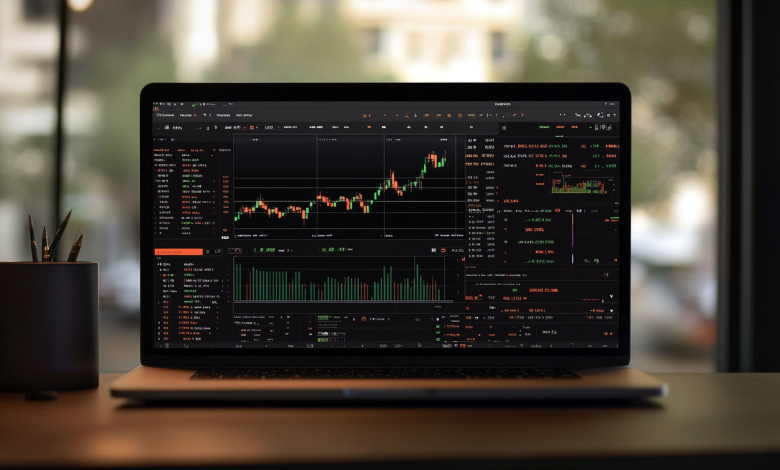
Modern trading simulators increasingly integrate AI capabilities, offering more than just virtual trading. AI-powered simulators can:
- Analyze Historical Data: By examining past market movements, AI can suggest potential strategies and highlight risks.
- Predict Market Trends: Some simulators use machine learning models to forecast potential price movements, giving users insights into future possibilities.
- Provide Personalized Feedback: AI can assess a user’s trading style, identify mistakes, and offer recommendations for improvement.
- Automate Strategy Testing: Instead of manually testing strategies, users can leverage AI to run multiple simulations simultaneously, saving time and improving efficiency.
These features make AI-powered simulators invaluable for traders seeking to refine their skills, experiment with advanced strategies, and gain a deeper understanding of market dynamics.
Benefits Beyond Learning
Using AI-driven trading simulators offers benefits that extend beyond individual skill development. Financial institutions and professional traders also leverage these platforms for:
- Risk Management: Testing trading strategies in a simulated environment helps identify potential pitfalls before deploying them with real capital.
- Algorithm Development: AI and ML algorithms can be fine-tuned in simulators, improving performance when applied to live markets.
- Data Analysis and Insights: Simulators allow traders to explore complex datasets and extract meaningful insights without financial exposure.
Even for retail traders, these benefits translate to better preparedness, reduced mistakes, and more informed trading decisions.
Popular Use Cases
AI-powered trading and simulators are not limited to stock markets. They are increasingly used across a variety of financial domains, including:
- Forex Trading: AI algorithms analyze currency pairs, monitor global economic indicators, and execute trades with minimal latency.
- Cryptocurrency Trading: The volatility of crypto markets makes AI tools especially valuable for predictive modeling and automated trading.
- Commodities and Futures: AI-driven simulators help traders anticipate price movements and develop hedging strategies.
Regardless of the market, the combination of AI and simulation provides traders with a competitive edge, allowing them to explore new strategies with confidence.
Discovering the Best Trading Simulator
For those ready to explore AI-powered trading, it’s important to select a simulator that balances realism, educational value, and advanced technological features. Platforms that integrate AI insights, provide market-like conditions, and allow for strategy testing are particularly effective. By investing time in a simulator, traders can sharpen their skills, gain confidence, and better understand the mechanics of AI-driven markets.
If you’re looking to get started, the best trading simulator offers a comprehensive environment where learning and experimentation go hand in hand. Whether you’re a beginner exploring the basics or an experienced trader testing AI algorithms, a high-quality simulator provides the tools and insights needed to navigate the complexities of modern finance.
By integrating AI-powered trading strategies into a safe, simulated environment, traders not only develop technical skills but also cultivate the analytical mindset necessary for long-term success. This approach ensures that when real capital is at stake, decisions are data-driven, strategies are refined, and risks are well-managed.
Conclusion
AI is no longer a futuristic concept in trading, it is the present. Its ability to process data, predict trends, and automate decisions is transforming how traders interact with financial markets. However, mastering AI-powered trading requires more than theoretical knowledge; it demands practice, experimentation, and continuous learning.
Trading simulators provide the perfect platform for this journey. They allow traders to explore AI tools, test strategies, and gain insights without the risk of financial loss. By discovering the best trading simulator, individuals can bridge the gap between human intuition and machine intelligence, preparing themselves for the future of finance.
As AI continues to evolve and shape global markets, those who embrace technology, experiment with strategies, and refine their skills through simulation will be best positioned to succeed. Whether you are a novice trader or a seasoned professional, the integration of AI and simulation tools represents a transformative opportunity, one that can elevate your trading strategy to new heights.