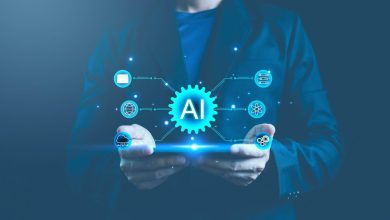
There is this quiet shift happening in the background of our lives. It is not loud. Not dramatic. More like a slow tightening of the lens. You start to notice how every corner of daily life pulls in some kind of data about you. Your steps. Your sleep. Your mood. Even the way you scroll.
And then the question appears. What happens when all of this data gathers into one place. Not as a messy dashboard or a questionable app. More like a second version of you. Digital, but uncannily aligned with how your body behaves. That is the moment the concept of an AI-powered personal health twin starts to make sense.
A quick step into the real topic
Before going deeper into the mechanics, here is a small point that ties into something people often search for when looking at the future of weight management. There are platforms that gather metabolic insights, treatment options, and long-term strategies in one place; for example, browsing through resources on weight loss can sometimes give you a clear picture of how digital tools are merging with metabolic health.
What exactly is a personal health twin
Think of it as a digital reflection of your body. Not a clone. Not a sci-fi hologram. More like a data-shaped model that keeps learning how your metabolism changes, how hormones respond, how stress shifts your energy, and how your habits shape everything else.
The fascinating part is how quiet it feels. No bells. No frantic graphs. Just steady observations that start making your decisions easier. You look at your morning report and suddenly see patterns you never would have spotted on your own.
People say it feels like someone switched on a second pair of eyes.
Why people are drawn to this idea
It comes down to one simple feeling. Clarity.
Most people walk around guessing about their health. Guessing what food works. Guessing why energy drops. Guessing if hormones are involved or if stress is doing the heavy lifting behind the scenes.
When an AI model mirrors your biological trends, the guessing disappears. You start to see actual relationships between your choices and how your body reacts. And the way these systems move from raw numbers to real insights is what keeps pulling people in.
Here is where things get interesting. Personal health twins do not simply track. They forecast. They can suggest when your metabolism begins slowing for the day. They can predict the effect of your late-night snacking. They can even sense when your sleep quality will crater based on your stress data from noon.
Tiny signals that feel invisible to the human eye suddenly become obvious.
The quiet revolution happening behind all of this
You notice something subtle about AI. It thrives in patterns. Your body happens to be full of patterns, both the gentle ones and the stubborn ones. The systems powering personal health twins break these patterns down in a way normal trackers never could.
There is a strange comfort in seeing your own biology behave like a story rather than a puzzle. You scroll through your weekly graph and the entire thing reads like a narrative. High points. Dips. Moments where you pushed too hard. Moments where your metabolism responded beautifully.
People love to call it “finally seeing the real me”.
Where this becomes extremely practical
It hits you when the AI starts suggesting micro-adjustments.
Not big lifestyle overhauls. Just small nudges that feel doable. One shift in your morning routine. One reminder about hydration at the right moment. One insight about how late coffee affects your hormonal rhythm.
This is where personal health twins step into everyday usefulness. The guidance does not feel overwhelming. More like a soft correction while you live your normal life.
You check your notifications and it almost sounds like advice from someone who truly understands how your body works.
The beauty of long-term data
Over time, the model sharpens.
It watches how your body reacts seasonally. How your weight shifts under stress. How travel affects your metabolism. It starts catching things early. Almost preemptively.
People say this long-term view feels like having an internal compass. You no longer drift between random health trends. You trust the changes because you watch them unfold on your digital twin first.
A small structured snapshot
To show how these systems actually support people, here is one short breakdown of what a personal health twin typically observes:
- Hormonal cycles and fluctuations
- Sleep consistency and recovery trends
- Metabolic response to food and timing
- Movement patterns and sedentary triggers
- Stress signals and their impact on cravings
Seeing them worded like this feels simple. Living them through an intelligent system feels entirely different.
How AI makes it personal rather than generic
Most health advice still feels like it was written for someone else. A different lifestyle. A different day. Maybe even a different decade. Personal health twins refuse this generic approach.
They calculate decisions based on you. Your unique rhythm. Your numbers. Your reactions.
You know how some days feel off for no reason. The twin usually finds the reason. You had less REM sleep. You skipped magnesium. Your afternoon heart-rate variability looked shaky. Something subtle was brewing.
That is the charm of these systems. They talk to you in a language your body already speaks. They simply translate it into something you can actually use.
The emotional side people rarely mention
Users describe this strange experience of feeling seen. Not in a dramatic way. More like relieved. You no longer have to keep everything in your head. The system remembers your patterns. It adjusts. It learns your tendencies and your blind spots.
People often say the emotional relief is just as important as the physical progress.
There is something comforting about knowing your future choices are supported by an intelligent companion built around your personal biology.
Where the trend seems to be heading
No one expects it to slow. Quite the opposite. The more data sources people add to their lives, the more accurate their personal health twins become. Smart scales. Wearables. Continuous monitoring. Even emotional check-ins.
It creates a detailed picture of how your biology behaves in the real world, not just in isolated tests.
Phones will probably become the main hub. Wearables will become lighter. Home devices will quietly send their tiny data points. And all these small parts will feed the model that learns how to support you day after day.
A gentle shift in how people make choices
You begin to notice something. Decision-making becomes calmer. You no longer chase random trends or jump between diets. You stop panicking when energy dips. You know what is happening inside your body because the twin shows you.
That single shift: confidence.
People keep saying this confidence is the thing they never expected. Suddenly the body does not feel mysterious. It feels readable. Predictable. Manageable.
And if the idea of a digital version of you sounded strange in the beginning, it quickly becomes the one tool you rely on more than anything else.