As we navigate through 2026, the artificial intelligence landscape has shifted from simple text-based interactions to sophisticated multi-modal understanding. One of the most practical and impactful manifestations of this shift is the evolution of visual linguistics. Today, businesses and individuals are no longer hindered by static text embedded in images. The rise of a high-performance Image translator online has become a cornerstone of the modern digital toolkit, bridging the gap between computer vision and semantic understanding.
The Convergence of Vision and Language
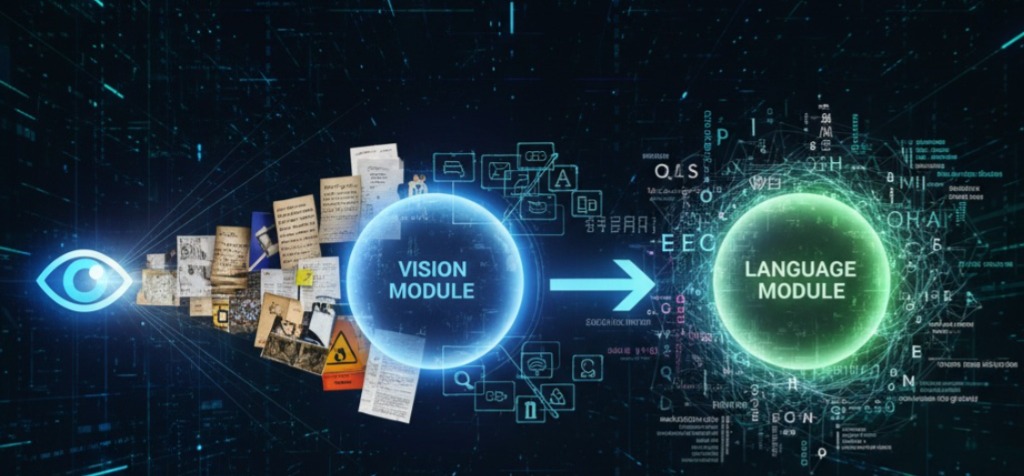
At its core, translating text within an image is a complex multi-stage AI process. It requires the seamless integration of Optical Character Recognition (OCR) to identify characters, layout analysis to maintain structural integrity, and Neural Machine Translation (NMT) to provide contextually accurate results. In recent years, Large Language Models (LLMs) have significantly enhanced this process, allowing tools to understand nuance, slang, and technical jargon within a visual frame.
When a user utilizes an Image translator online, they are witnessing the fruit of years of training on massive datasets. This isn’t just about swapping words; it’s about the AI understanding that a warning sign on a factory floor requires a different tone than a caption in a fashion magazine. This level of contextual intelligence is what makes modern online tools indispensable for global enterprises.
Democratizing Information Globally
In the era of information, accessibility is power. However, a significant portion of the world’s data is “trapped” in non-text formats—infographics, scanned PDF documents, historical archives, and social media imagery. For researchers and analysts, manually extracting this data was once a bottleneck that slowed down innovation.
By leveraging an Image translator online, these barriers disappear. An academic in London can instantly interpret a complex flowchart from a Chinese research paper, while a marketing analyst in New York can monitor consumer trends on foreign-language social media platforms by simply uploading a screenshot. This democratization of information fosters a more collaborative global research environment and accelerates the pace of scientific discovery.
Enterprise Efficiency and the Automated Workflow
For the corporate world, the primary value proposition is efficiency. Global supply chains often involve hundreds of visual documents—invoices, shipping labels, and compliance certificates—often in multiple languages. Integrating an Image translator online into the corporate workflow allows for the rapid digitization and translation of these assets.
Modern AI-driven translation tools are designed to handle high-resolution imagery and complex layouts. This means that technical diagrams or intricate financial charts can be translated without losing their original formatting. For businesses, this translates to reduced operational costs, fewer human errors in data entry, and a significantly faster time-to-market for international projects.
The Future: Real-Time Visual Intelligence
Looking forward, the potential for image translation technology continues to expand. We are moving toward a future where “visual translation” is integrated into augmented reality (AR) and real-time video feeds. However, the foundation of this future remains the robust, cloud-based online tools that provide the processing power necessary for high-accuracy translation.
The ability to instantly convert visual data into understandable information is no longer a futuristic concept—it is a current reality. As AI continues to evolve, the tools we use to interpret our visual world will become even more intuitive, accurate, and essential.
Conclusion
The advancement of AI is not just about creating smarter machines; it’s about creating better connections between people and information. The emergence of the Image translator online represents a major leap in this journey. By turning every image into a readable and translatable asset, AI is truly breaking down the final borders of global communication, making the world a smaller, more understandable place for everyone.