As artificial intelligence and autonomous driving features transform vehicles, assigning liability after a crash becomes increasingly complicated. Both human drivers and automated systems can influence a car’s actions, creating new dilemmas in auto accident claims and complex car accident settlements. Understanding how these responsibilities intersect is essential for analyzing fault, negligence, and compensation when AI is involved, including autonomous vehicle liability and self-driving car accident claims.
The surge of AI-driven features has forced legal and insurance professionals to reconsider traditional fault frameworks and How machine learning is changing auto accident claims. A Fort Lee Car Accident Lawyer navigating these cases in New Jersey must now address issues that go beyond driver negligence, including software, hardware, and manufacturer conduct tied to product liability in AI crashes. The result is a liability environment where roles are blurred and evidence is far more complex, especially for car accident lawyer fort lee nj handling autonomous vehicle collision compensation. As a result, evaluating accident claims involving AI technologies requires a multidimensional approach that weighs both human and machine actions during the critical moments of a collision and machine learning driving errors.
The challenge of mixed control and shared responsibility
In many modern vehicles, advanced driver assistance systems allow operational control to shift between the driver and the car’s AI, creating autonomous vehicle liability questions during investigations. This mixed-control scenario complicates liability, since the technology may take over at certain points before yielding to the driver in emergencies or confusing situations, raising disputes about driver negligence vs. software failure. Lawyers and insurers must analyze precisely when and how these control exchanges occurred in the moments leading up to a crash, which is central to determining fault in self-driving crashes.
Assessing fault means understanding not only whether a driver acted negligently, but also whether the software performed as designed or failed unexpectedly, a common driver negligence vs. software failure issue. This distinction has critical implications. For instance, defects in code or sensor errors could attribute blame to manufacturers or developers, which often drives product liability in AI crashes. The difficulty of separating human from machine decisions lies at the heart of the current liability dilemma and can trigger complex car accident settlements.
Key evidence and digital records in AI-related claims
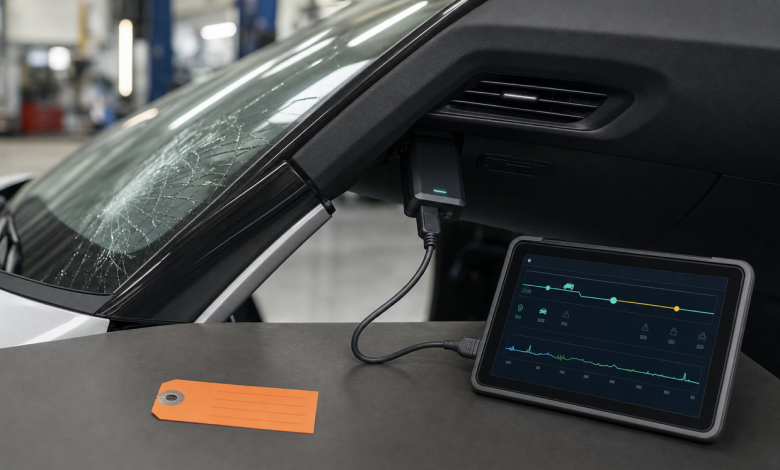
Auto accident investigations increasingly depend on digital evidence to clarify what happened during a crash involving autonomous features, especially in self-driving car accident claims. Vehicles equipped with AI systems collect vast amounts of data, including dashboard camera footage, sensor arrays, and electronic logs documenting every input, which can expose machine learning driving errors. Legal teams frequently scrutinize this information, alongside software versions and system alerts, to piece together action timelines that support determining fault in self-driving crashes.
This evidence can reveal who or what was in control, whether driver handover was prompted, and if warnings were issued but not heeded, which directly affects autonomous vehicle collision compensation. However, proprietary formats and privacy considerations can make collecting and authenticating this evidence challenging, leaving car accident lawyer fort lee nj to litigate access and admissibility. Disputes often revolve around interpretations of these records, raising questions like Who is liable when a self-driving car crashes? and highlighting How machine learning is changing auto accident claims.
Emerging standards and future directions in assigning liability
The rise of AI in vehicles is prompting ongoing regulatory efforts to standardize crash data collection and improve transparency in liability investigations, particularly for self-driving car accident claims. Policymakers and industry leaders are working on common frameworks for storing and sharing crash data, aiming to help lawyers and courts interpret incidents involving self-driving technologies more consistently and reduce machine learning driving errors through clearer testing and reporting.
In jurisdictions like Fort Lee, NJ, evolving liability models increasingly require collaboration between drivers, vehicle manufacturers, and insurers to determine responsibility for damages and autonomous vehicle collision compensation. This work often turns on determining fault in self-driving crashes and the broader question, Who is liable when a self-driving car crashes? Partnerships with technology specialists and legal teams, including firms such as Varcadipane & Pinnisi, P.C. law firm, play a key role in navigating these complexities and limiting complex car accident settlements. As technological advances accelerate, everyone involved must adapt to new definitions of fault and accountability in auto accident claims shaped by artificial intelligence and autonomous driving, including autonomous vehicle liability and product liability in AI crashes.