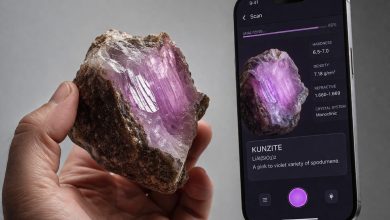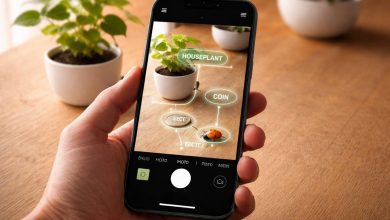
The struggle to maintain a rapid production cycle without sacrificing the precision of individual assets is a defining challenge for modern visual storytellers. Many creators find themselves caught in a cycle of generating high volumes of content that ultimately fails to meet the specific technical or branding requirements of a professional campaign. This friction between speed and quality often leads to creative burnout and a fragmented brand identity. To address these systemic inefficiencies, the AI Photo Editor ecosystem officially expanded on February 26, 2026, with the worldwide release of Nano Banana 2. This next-generation system combines the lightning-fast processing of the Flash architecture with the high-fidelity features previously reserved for elite studio models.
In my observation of the current market, the introduction of Nano Banana 2 represents a fundamental shift toward more reliable and grounded artificial intelligence. By integrating real-time web search data and advanced world knowledge, the system produces visuals that are not only aesthetically pleasing but also contextually accurate. The platform excels at three core functions: high-speed text-to-image generation, sophisticated semantic editing of existing files, and industry-leading text rendering. This evolution allows teams to move away from the “hit or miss” nature of early generative tools and toward a predictable, professional workflow that treats AI as a precise creative instrument.
Strategic Implementation of High Speed Intelligence in Modern Design Workflows
The core of the new system is the Gemini 3.1 Flash Image engine, which focuses on reducing the time between a conceptual prompt and a production-ready output. In a landscape where social trends can emerge and disappear within hours, the ability to generate a 4K image in less than fifteen seconds is a significant competitive advantage. However, speed is only valuable if the results are usable. In my testing, the balance achieved here is notable because it manages to maintain rich textures and vibrant lighting even at these accelerated rendering speeds.
From a practical standpoint, this efficiency allows for a much more experimental approach to design. Instead of agonizing over a single prompt and waiting minutes for a result, a creator can iterate through ten different concepts in the time it used to take to generate one. This rapid feedback loop encourages creative risk-taking and allows for a more refined final product. By removing the technical barriers of wait times, the system empowers the user to act more like a creative director, evaluating and improving results in real-time until the vision is perfectly realized.
Leveraging Advanced World Knowledge for More Accurate Visual Grounding
One of the most significant upgrades in the February 2026 release is the integration of real-time web grounding. Traditional AI models often struggle with depicting specific, real-world objects or locations because they are limited by their training data. Banana Pro solves this by referencing live web search results to inform its generations. This means that if you ask for a specific landmark in current weather conditions, the AI has a much higher probability of delivering a factually grounded and visually accurate result.
In my experience, this feature is particularly transformative for localized marketing and educational content. For example, creating a diagram or an infographic that reflects current data becomes a streamlined process. The system can pull from its vast knowledge base to ensure that the proportions, labels, and context of the generated image align with reality. While the model is highly capable, it is worth noting that the best results still depend on the specificity of the user’s instructions, especially when dealing with highly technical or niche subjects.
Integrating Real Time Search Data to Inform Complex Visual Compositions
The ability to turn rough notes or live data into structured visuals like diagrams and data visualizations is a unique strength of this platform. It allows for a more functional use of AI beyond simple artistic generation. By grounding the output in web-verified information, the system provides a level of reliability that was previously missing from the generative space. This makes it a suitable tool for professionals who need to communicate complex ideas quickly and accurately to a global audience.
Mastering Subject Consistency Across Complex Narrative and Commercial Storyboards
A common criticism of early generative tools was their inability to keep a character or object looking the same across multiple images. For storytellers, comic artists, and brand managers, this lack of consistency made AI almost impossible to use for long-form narratives. Nano Banana 2 addresses this by allowing the user to maintain the appearance of up to five characters and fourteen distinct objects within a single workflow. This ensures that the visual identity of a protagonist or a product remains stable from the first frame to the last.
In my analysis, this capability is the foundation of professional-grade storyboarding. Whether you are building a cinematic narrative or a multi-part social media ad campaign, the ability to lock in the features of a subject is critical. This level of control allows for the creation of character sheets and consistent world-building that feels intentional and cohesive. It shifts the role of the AI from a one-off image maker to a long-term production partner that understands the rules of your specific creative universe.
Maintaining Fidelity and Resemblance in Multi Character Creative Scenarios
The technical challenge of subject consistency involves the AI’s ability to map and replicate specific facial features, clothing, and proportions across different poses and lighting conditions. In my testing, the results are remarkably stable, even when the characters are placed in entirely new environments. This makes the platform ideal for creating graphic novels or illustrative series where the reader needs to recognize the subjects instantly.
While the system is powerful, achieving perfect consistency sometimes requires providing the AI with clear reference inputs at the start of the process. By establishing a “source” character, you provide the engine with the necessary data points to replicate those features accurately in subsequent generations. This collaborative approach between the user and the machine is what leads to the most polished and professional results in narrative-driven projects.
| Production Feature | Standard Generative Tools | Nano Banana 2 System |
| Character Stability | Changes between every render | Keeps up to 5 subjects consistent |
| Object Fidelity | High variance in textures | Maintains up to 14 specific objects |
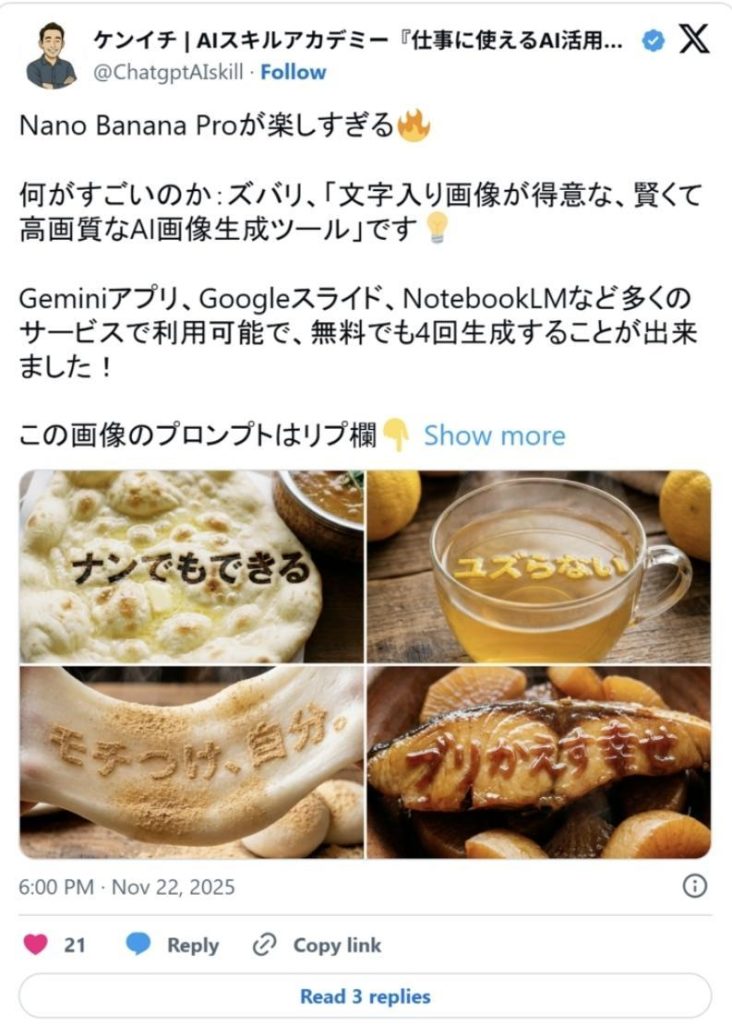
| Text Rendering | Often unreadable or garbled | Precise and legible native typography |
| Output Resolution | Limited to 1024px or 1K | Supports up to high-definition 4K |
| Generation Speed | 30 to 60 seconds per image | High-speed renders in 10-15 seconds |
Coordinating Visual Narrative Flow with Advanced Object Tracking Technology
The ability to track multiple objects alongside characters ensures that the setting feels as real as the people within it. If a specific car, a building, or a branded product is central to your story, the system ensures it retains its specific design and color palette throughout the series. This technical nuance is what allows for the creation of cohesive marketing narratives that feel like they were shot on a professional set rather than generated by a computer in isolation.
The Official Four Step Protocol for Professional Image Transformation
Navigating a professional AI system requires a logical and repeatable workflow to ensure that the results are consistently high-quality. The interface for Nano Banana 2 is designed to mirror the natural creative process, moving from a broad concept to a refined final asset. This structured path minimizes confusion and allows the user to focus on the creative direction rather than the technical hurdles. Following the official four-step protocol is the best way to maximize the potential of the Flash engine.
In my observation, the flexibility of the dual-path architecture—allowing for both creation and editing—is the platform’s greatest operational strength. Whether you are starting with a blank canvas or a specific photo that needs a style change, the workflow remains consistent. This predictability is essential for professionals who need to manage client expectations and meet strict delivery schedules.
Step 1: Choose Generation or Editing Mode
Start by selecting your primary workflow. Use the “Text to Image” mode to build new visuals from scratch using only descriptions. Alternatively, select the “Image to Image” mode to upload your own photo for targeted edits, style transfers, or figurine-style transformations.
Step 2: Input Precise Descriptions and Style Guidelines
Describe your vision in the prompt box with as much detail as possible. Specify the subject, the environmental lighting, the camera angle, and any text elements you want rendered. If you are editing an existing photo, clearly define which parts should be modified and which should remain untouched.
Step 3: Initiate Generation and Evaluate the Visual Result
Click the generate button to let the Flash engine process your request. Within seconds, the AI will provide high-fidelity options based on your instructions. During this stage, you can evaluate the results and use iterative prompts to refine the lighting, textures, or character details until they meet your standards.
Step 4: Upscale to 4K and Export for Final Production
Once you are satisfied with the composition, select your desired resolution and aspect ratio. The system supports up to 4K upscaling to ensure your visuals are ready for professional print, wide-screen presentations, or high-definition social media displays.
Optimizing Prompt Construction for High Resolution Production Ready Assets
The quality of the final asset is heavily influenced by the technical language used in the prompt. I have found that including terms such as “8k resolution,” “hyper-realistic textures,” or “volumetric lighting” helps the engine prioritize professional-grade details. Additionally, specifying the aspect ratio early in the process—whether it is 16:9 for cinematic work or 9:16 for mobile content—ensures that the composition is optimized for its eventual destination without the need for awkward cropping later.
Reviewing Final Outputs for Semantic Accuracy and Visual Polish
The final step is always a human review. While the system is incredibly accurate, the “creative eye” is still the most important tool for ensuring that an image feels authentic and professionally balanced. Checking the alignment of text, the consistency of shadows, and the overall mood of the piece ensures that the output is not just a generated image, but a piece of intentional art that is ready to represent a brand or a story on the global stage.
Recognizing Current Industry Constraints and the Path Toward AI Transparency
As we integrate these advanced tools into our daily lives, it is crucial to remain aware of the technological boundaries that still exist. While Nano Banana 2 has significantly improved text rendering and subject consistency, the results are still a reflection of the input provided. A vague or poorly structured prompt will often result in an output that requires multiple rounds of iteration to fix. Furthermore, the AI acts as a powerful assistant, but it requires a human to provide the strategic direction and the final stamp of approval.
In my view, the future of the industry is also being shaped by a new focus on transparency. The inclusion of SynthID technology and C2PA Content Credentials in the latest update ensures that there is a clear record of how an image was created. This helps maintain trust in a digital landscape where it is becoming increasingly difficult to distinguish between artificial and captured reality. By embracing these tools responsibly, creators can unlock new levels of productivity while ensuring that their work remains grounded in ethical standards.
The transition to systems like Nano Banana 2 represents more than just a technological upgrade; it is a shift in how we conceive and execute visual ideas. By providing a platform that is fast, intelligent, and highly controllable, Google has leveled the playing field for creators worldwide. Whether you are a professional designer working on a high-budget campaign or a casual user exploring your own creativity, the tools are now in place to turn your most complex visions into a vibrant, high-definition reality.