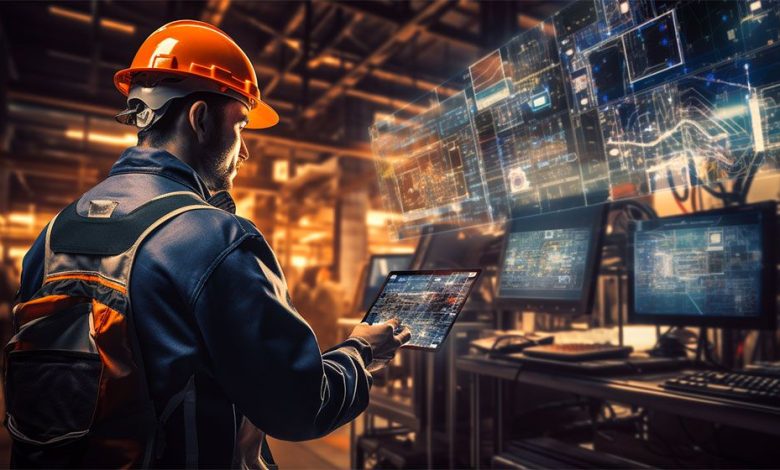
For a long time, the only way to keep safety gear operating and pressurized was to check it by hand and keep physical logbooks. Many site managers only schedule a fire extinguisher refill when they have to, such when the gauge goes into the red or the yearly inspection date has already passed. This old-fashioned technique of keeping people safe makes things less safe because a single leaking valve or an expired date might make a vital defense mechanism worthless during a heat event. However, as more and more industrial settings connect to the Internet of Things, the move from reactive maintenance to a data-driven strategy is becoming the new norm for operational excellence.
In the world of physical security, artificial intelligence is transforming how we think about how reliable our technology is. A suppression canister may look like a simple mechanical equipment, but neural networks can now keep a watch on its digital doppelganger and forecast when it will break down before it occurs. The safety ecosystem works better and faster because it has both high-quality safety gear and machine learning algorithms. The software can find the optimal time for service by looking at data from thousands of devices that have been used in different climates and levels of stress over the years. This makes sure that every piece of equipment is ready to perform at its best without having to be replaced too soon.
Using Predictive Analytics to Handle Stress
The most significant feature of a complicated safety network is that it can deal with anything in the environment that can hurt pressure vessels. The deterioration of internal seals might happen faster when the air temperature changes, heavy machinery vibrates, or the humidity rises. Sensors that don’t injure anything are used by digital monitoring systems to keep track of these small changes in real time. The technology discovers the pattern early and makes an automated service ticket instead of having a technician look for a slight reduction in pressure during a monthly walk-through. This level of accuracy means that the structural integrity of the safety array is never in doubt. It also adds an extra level of supervision that is considerably better than doing it by hand.
Computer vision and placement optimization
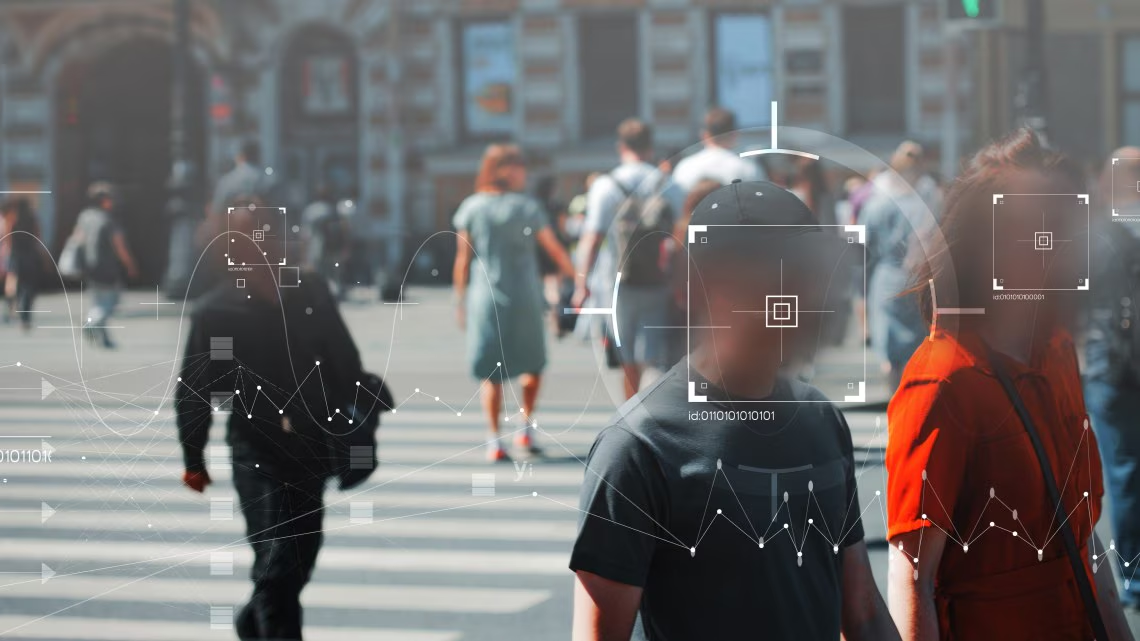 Using computer vision to keep track of where safety assets are in the real world is another huge step forward in this tech marriage. Processing algorithms can check facility floor layouts and high-definition video feeds to make sure that fire extinguishers are there, not obstructed, and in the appropriate spot according to local standards. If a pallet of goods is relocated in a way that makes it hard to access to a suppression station, the system may let the floor supervisor know right away. By making sure that the road to the tool is always unobstructed, this active monitoring makes the hardware more helpful. This makes the response time a lot shorter in the initial few seconds after ignition.
Working together in automated logistics and supply chain
Smart automation can also help with the logistics of keeping things safe. The central processor can automatically interact with local vendors to make the collection and delivery process easier when it concludes that a group of units requires service. This makes it easier to keep track of servicing intervals at different places. By grouping maintenance chores by how close they are to each other and how urgent they are, the system lowers the carbon footprint of service vehicles. It also makes sure that the building always has at least a certain amount of active protection. This automated synergy makes the environment secure and dependable, so business owners can focus on making things while the digital architect builds the safety basis.
The Future of Strong Safety Networks
The border between hardware and software will keep become less obvious as we progress toward a more independent industrial future. In the future, suppression systems may include self-diagnostic smart valves that talk to building management systems directly using encrypted protocols. This commitment to making engineering more efficient keeps the fire protection industry a safe and cutting-edge means to safeguard lives and property. By combining physical strength with digital intelligence, modern buildings are making the future safer and more sustainable. Safety is no longer merely a box to tick; it is a shield that changes and grows.