An eSIM is a type of programmable SIM card that is built directly into a device. Over the past three years, this technology has experienced unprecedented growth. According to market researches and prognoses for the future of eSIM technology, in the next decade, global eSIM will take over smartphones, wearables, cars, and billions of IoT devices, powered by AI routing and iSIM integration – with GSMA forecasting 6.7 billion eSIM smartphones by 2029 and Counterpoint projecting 2.2 billion iSIM-based IoT connections by 2030.
By 2030, embedded connectivity is expected to exceed 80% of all devices, while the travel eSIM market alone is set to surge by more than 200%, reshaping how consumers and enterprises manage global connectivity. Additionally, eSIM for travel will bring new performance features, like automated routing between networks. International eSIM company Ohayu is already demonstrating this trend and has introduced plans with digital activation and dynamic selection of the optimal signal for the multi-network support feature.
In this article, we’ll take a detailed look at the rethinking of the very paradigm of communication and the future of eSIM. We’ll explore the impact of artificial intelligence on managing connections, the inevitable dominance of iSIM in IoT, and how all this already affects travel and trends.
What will Drive eSIM Adoption in the Next 5 Years?
At this stage, it is safe to say that the transition to digital connection profiles is shifting from the experimental phase to the irreversible mainstream phase. According to GSMA estimates and statements, in just five years, the number of smartphones with electronic SIM will grow to 6.7 billion, accounting for 76% of the total number of smartphones. This trend is going beyond cell phones to encompass segments such as wearable electronics, automotive systems, and industrial IoT.
The key point here is the strategy of leading OEMs: one of the turning points was Apple’s decision to release devices without physical card support. A similar approach is expected to spread to key markets, including Europe, in the coming years.
Industry Authority Predictions
A report by Juniper Research also predicts that the market for embedded SIMs for travelers will grow by more than 200% by 2030, with the expected impact:
Logistics transformation
There will no longer be a need for the production, distribution, and storage of physical media. This significantly reduces costs and simplifies supply chains.
New opportunities
Operators have the opportunity to activate services instantly and digitally.
Ecosystem consolidation
You get a single digital interface to manage multiple connections across different devices.
How AI will Redefine the Future of eSIM and How Digital SIMs Connect and Manage Networks?
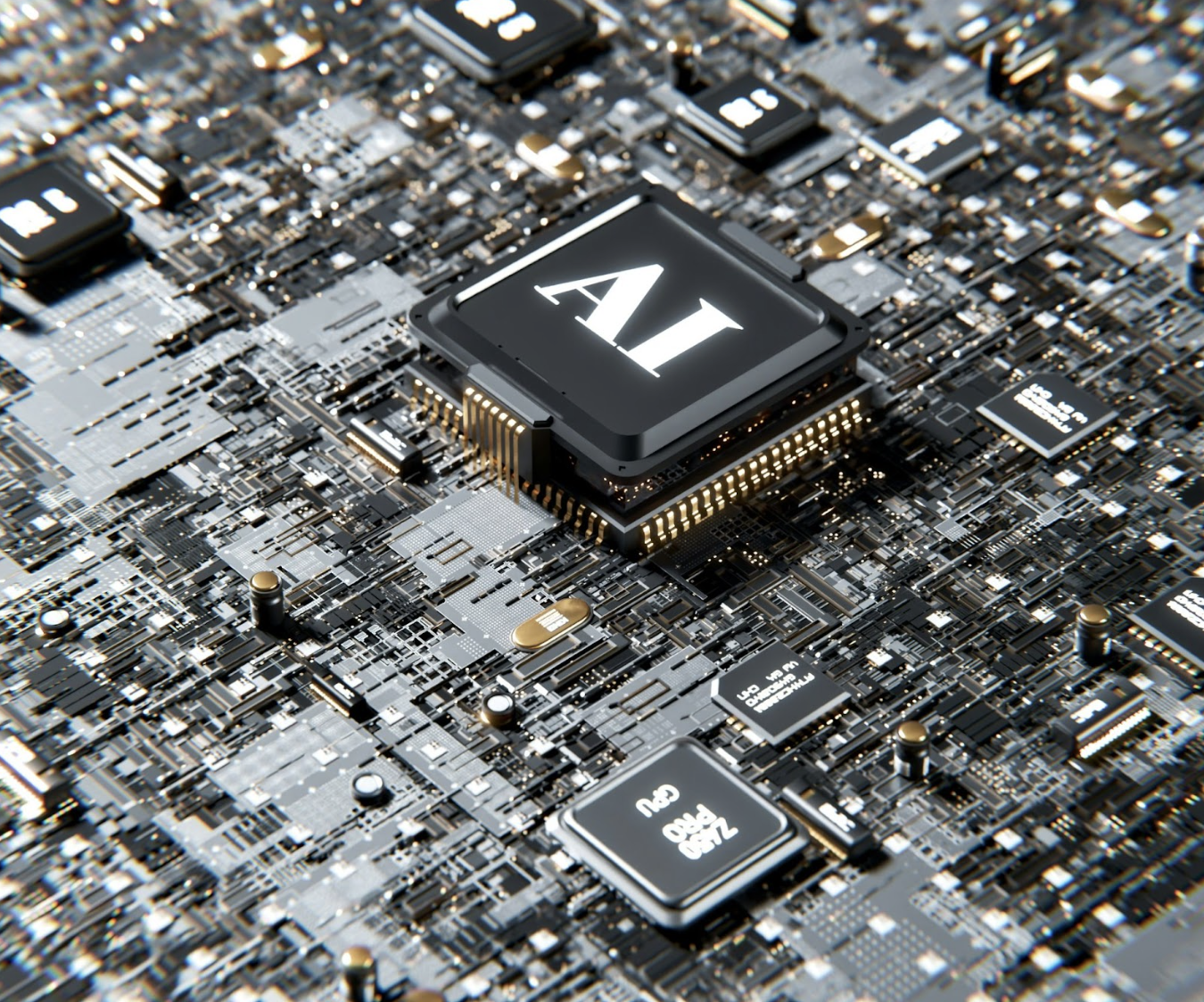
The progress of electronic subscriber identification is only the visible part of the transformation. The real rethinking and changes come from AI, which controls everything.
Source: https://unsplash.com/photos/a-computer-chip-with-the-letter-a-on-top-of-it-eGGFZ5X2LnA
Smart choice of network instead of roaming
Real-time algorithms analyze signal strength, network congestion, traffic costs, and application latency requirements. They then automatically switch between carriers to ensure optimal connection quality.
Security and fraud control
Artificial intelligence is critical in preventing fraud. It can prevent SIM card substitution by analyzing behavioral models and irregularities in activation requests. It also enables instant and secure profile activation for millions of IoT devices.
Forecasted connection
Algorithms check info such as travel history, calendars, and behavioral patterns, and can prepare and optimize network profiles. This is convenient for logistics, as automatic switching when crossing borders minimizes downtime. For travel, it means instant access to local rates upon arrival.
Ericsson notes that by 2029, up to 30% of mobile traffic in developed networks will be managed by AI-based systems. This can lead to the creation of an adaptive environment that personalizes communication services, adapting to context and needs.
iSIM and the Shift to Fully Embedded Connectivity
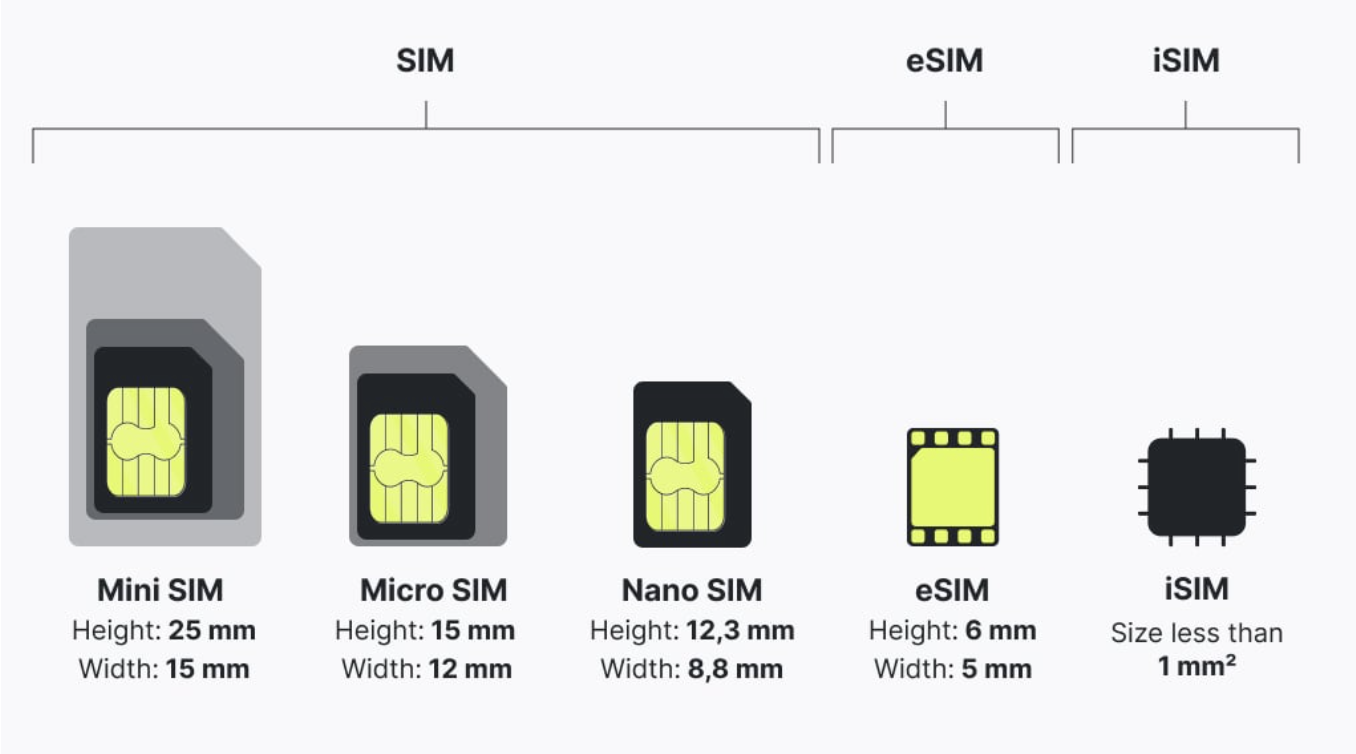
The physical chip has been replaced by a soldered module called an embedded SIM. In the case of an iSIM, it is fully integrated into the processor or, in rare cases, the modem. This can be compared to the transition from a discrete video card to an integrated one, but without any loss of performance. We get higher reliability, less space used, and lower power consumption.
Source – https://ohayu.com/blog/isim-vs-esim-comparison/
For enterprises and IoT manufacturers, the advantages of iSIM are strategic in scope:
1. Security. The functionality is isolated in the secure environment of the main chip (Trusted Execution Environment), which makes physical hacking more difficult.
- Cost and design. A separate component is eliminated, which reduces the price of the device, simplifies the board layout, and allows for the creation of more compact and sealed products.
- Scalability. The simplified manufacturing process makes it easier to produce millions of identical devices.
Analysts’ forecasts confirm that more and more devices are likely to use iSIM in the future. Counterpoint Research predicts that by 2030, approximately 2.2 billion IoT connections will use embedded SIM or iSIM. Mass adoption of integrated SIMs in the smart meter, logistics tracker, and telematics segments will begin as early as 2027-2030.
New Applications: What eSIM will Unlock Across Industries?
The future of eSIM offers us opportunities that are unattainable with physical cards.
Travel and flexibility
The concept of dynamic routing between networks has already been practically implemented. Your device selects the necessary operator in a specific location in the background to achieve continuous coverage and improve traffic. This is beneficial for streaming, which requires high-quality video.
Corporate sector
For companies that have work devices, the built-in digital identifier is a management tool. The IT department remotely controls the connections of thousands of laptops and gadgets, thereby simplifying logistics and increasing cybersecurity for the business.
Logistics
In connected cars, the technology provides telematics, OTA updates, and fleet management. For logistics, it provides end-to-end cargo tracking and real-time monitoring of conditions on a global scale.
The future of eSIM is also becoming the standard for consumer device autonomy:
- Smartwatches and fitness trackers are getting independent connectivity.
- Tablets and laptops are gaining built-in always-online access.
- Specialized devices such as cameras or AR/glasses are using the technology for direct data flow.
A Realistic Forecast: eSIM Market in 2030
As described above, we can expect the communications industry to undergo structural changes by the end of the decade, with digital profiles becoming the new norm. They’ll be present in more than 80% of devices. In monetary terms, this translates into a market worth more than US$30 billion.
Smartphones with built-in SIMs will become the global standard within the next 5-7 years. This will drive mass consumer adoption, especially in developed markets where operators are completing the upgrade of their platforms.
But we should also expect a clear division of technology applications. iSIM technology, as a more integrated and cost-effective solution, is expected to dominate the IoT segment. Billions of sensors, smart meters, and logistics trackers will use it. At the same time, classic virtual SIM architecture is going to stay the main one for consumer electronics (smartphones, tablets, laptops).
Challenges that Could Slow Down Mass Adoption
Even with these advantages, there are still certain issues that need to be addressed before a full transition to embedded SIM can take place.
Technological fragmentation
Disparate RSP standards. The practical implementation of remote SIM provisioning by telecom operators often differs from GSMA specifications. This causes problems with international activation.
Resistance from providers. Some operators fear losing control over subscribers and becoming mere “bit pipes,” which hinders the development of versatile platforms.
Safety misunderstandings
It is commonly believed that virtual is less secure than physical. This discourages potential consumers of the technology. The regulatory framework is also lagging behind in many jurisdictions. There are simply no clear rules for remote user verification.
Market inertia in emerging economies
Device manufacturers in regions where prepaid tariffs and frequent operator changes dominate are likely to retain hybrid solutions. Completely abandoning the traditional slot here is economically unjustified in the medium term.
Final thoughts: Who Benefits the Most From the Next Generation of eSIM?
Travelers and digital nomads can enjoy a seamless experience: connecting to the network becomes as invisible a background process as accessing Wi-Fi at the airport. There is already no need to search for local SIM cards. eSIM providers like Ohayu are already working according to this logic, offering a model with digital activation and routing between networks. Their approach is the future of eSIM and how all communications are going to work tomorrow: service-oriented, adaptive, and invisible to the end user.
Global companies with distributed teams can benefit from centralized, AI-driven access for their entire device fleet. This is not just remote activation, but intelligent traffic distribution and automated enforcement of corporate security policies anywhere in the world.
The Internet of Things industry gains the key to scaling. Built-in, non-removable identification in the chip allows millions of sensors, trackers, and smart devices to be deployed and administered without physical access to them.