The way people consume digital content at home has evolved significantly over the past decade. Traditional televisions are no longer the only option for immersive viewing, as advances in smart projection technology continue to reshape modern entertainment environments. Compact projectors equipped with intelligent features now offer flexibility, connectivity, and performance that rival fixed-screen displays, making them an increasingly attractive option for technology-conscious households.
At the core of this shift is the integration of software-driven functionality into hardware design. Modern projectors are no longer simple light-output devices; they are now smart systems capable of running applications, connecting wirelessly to other devices, and adapting to various viewing conditions. This evolution reflects a broader trend within consumer technology, where adaptability and convenience are becoming just as important as raw performance.
Intelligent Features Driving Adoption
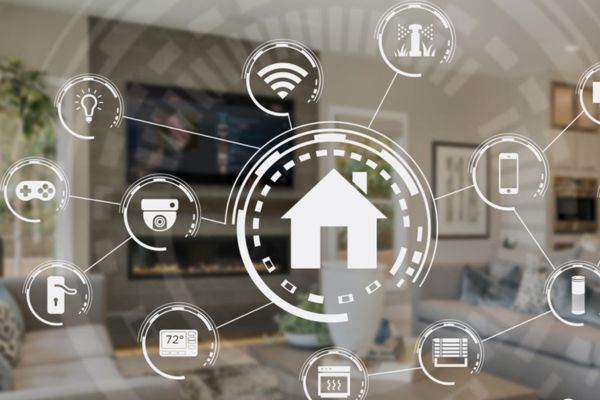
One of the key factors accelerating adoption is the incorporation of built-in operating systems and wireless connectivity. Wi-Fi and Bluetooth support allow projectors to interact seamlessly with smartphones, laptops, and smart home ecosystems. These features enable users to stream content, mirror screens, and control playback without relying on physical connections, creating a more streamlined and cable-free environment.
Another important advancement is automatic image correction technology. Features such as auto keystone adjustment and intelligent focus calibration allow projectors to deliver properly aligned images regardless of placement. This removes a common barrier associated with older projection systems, which often required precise positioning and manual setup. As a result, smart projectors can now be used in bedrooms, living rooms, or temporary spaces without compromising image quality.
Manufacturers focusing on smart entertainment solutions are helping redefine how projection technology fits into everyday living. Platforms such as Lumivision demonstrate how compact hardware paired with intelligent software can support modern viewing habits across a range of environments.

Portability and Space Efficiency
Another major driver behind the popularity of smart projectors is their portability. Unlike wall-mounted televisions, projectors can be relocated easily, allowing users to adapt their setup based on changing needs. This flexibility aligns well with contemporary lifestyles, particularly in urban settings where space efficiency is a priority.
Advances in LED light sources have also contributed to this shift. LED-based projection systems offer longer lifespan, lower heat output, and improved energy efficiency compared to traditional lamp-based models. These improvements make projectors more practical for frequent use while reducing maintenance requirements over time.
For technology enthusiasts interested in modern home projection technology, platforms like advanced smart projection systems illustrate how innovation in hardware design continues to close the gap between portability and performance.
The Role of Software in Viewing Experiences
Beyond hardware, software optimization plays a crucial role in shaping the user experience. Smart projectors increasingly support native streaming applications, voice control compatibility, and over-the-air updates that improve functionality over time. This software-first approach ensures that devices remain relevant as content platforms and viewing preferences evolve.
Additionally, intelligent image processing algorithms enhance colour accuracy, contrast, and motion handling. These technologies allow compact projectors to deliver cinematic visuals in a variety of lighting conditions, further expanding their usability beyond traditional dark-room environments.
Consumers exploring intelligent home display solutions are increasingly drawn to systems that balance ease of use with technical sophistication. Resources such as portable smart display technology highlight how innovation continues to push projection capabilities forward without adding complexity for the end user.
Looking Ahead
As smart homes become more interconnected, projection technology is expected to play a larger role in multi-device ecosystems. Integration with home automation platforms, enhanced wireless protocols, and AI-assisted image optimisation are likely to define the next generation of smart projectors.
Ultimately, the evolution of smart projection technology reflects a broader movement toward flexible, software-driven entertainment systems. As these technologies mature, they are set to become a staple of modern digital living, offering adaptable solutions that align with the way people consume content today.