Artificial intelligence has become an integral part of modern business operations, yet many organizations struggle to understand the fundamental processes that make these systems work. Whether you’re implementing a chatbot, developing predictive analytics, or creating custom automation tools, understanding how AI models are built and improved is essential for making informed decisions about your technology investments.
Building AI Models From the Ground Up
Training an AI model is the foundational process where a system learns patterns from scratch using large datasets. Think of it as teaching a child to recognize objects for the first time. During AI model training, algorithms process millions of data points to identify relationships, patterns, and rules that enable the model to make predictions or decisions. This process requires significant computational resources and time, as the model adjusts internal parameters through countless iterations until it achieves acceptable accuracy levels.
The training phase involves feeding raw data into neural networks or other machine learning architectures, where the system gradually learns to associate inputs with correct outputs. For instance, an image recognition model might analyze thousands of pictures labeled as cats or dogs, slowly learning the visual features that distinguish one from the other. This initial training creates the baseline intelligence that forms the foundation of all subsequent model capabilities.
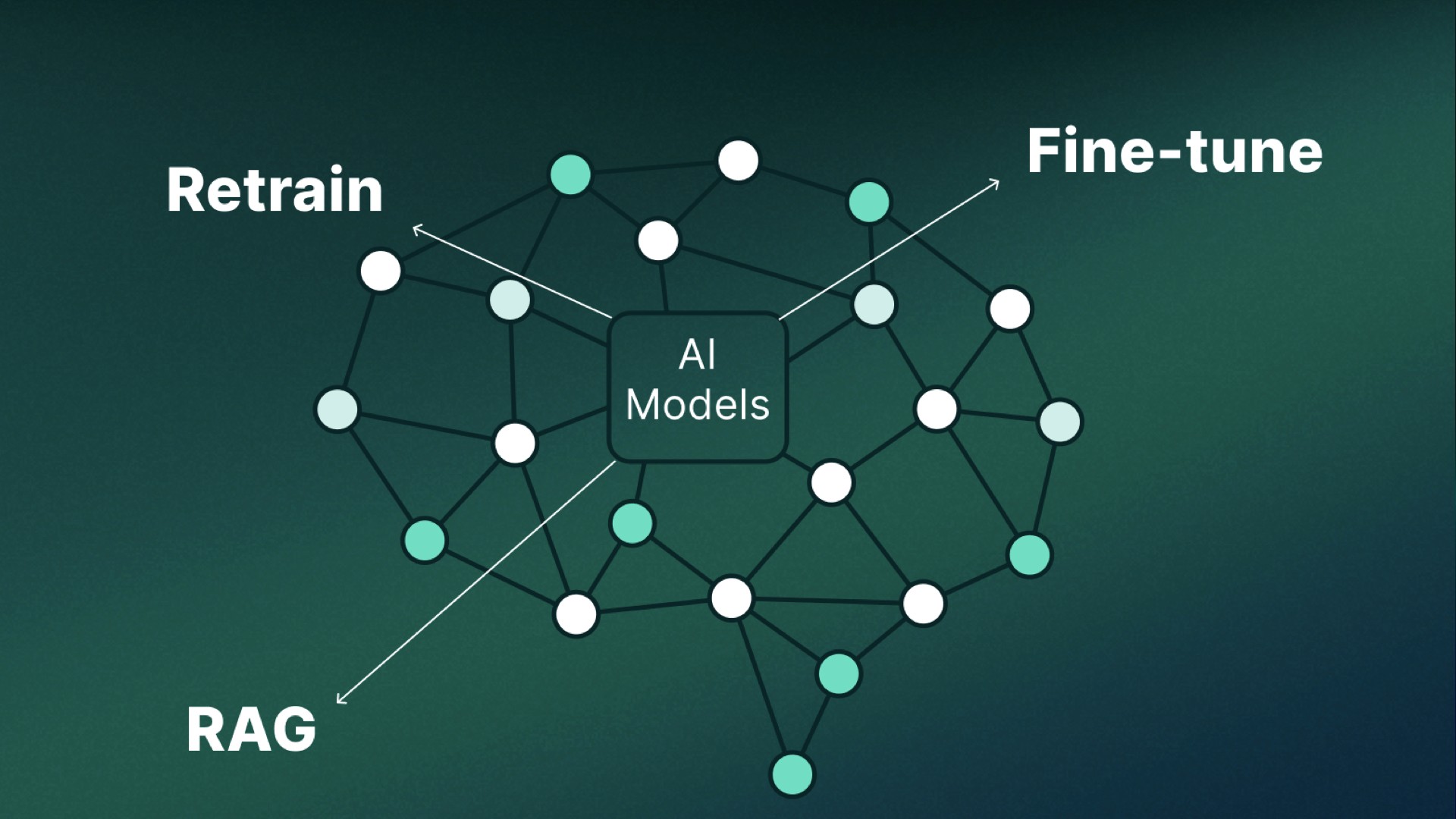
image source: asistenta rutiera oradea
Refining Existing Models for Specific Tasks
Fine-tuning represents a more targeted approach where an already trained model is adapted for specialized applications. Rather than starting from zero, fine-tuning leverages the knowledge embedded in pre-trained models and adjusts them for particular use cases. This process is significantly faster and more cost-effective than training from scratch, making it the preferred method for organizations with limited resources or specific requirements.
When you fine-tune a model, you’re essentially taking general knowledge and making it domain-specific. Consider these practical applications:
A customer service model trained on general conversations can be fine-tuned with company-specific dialogues to better understand industry terminology and common customer issues. Medical diagnostic systems can adapt pre-trained image recognition models to identify specific conditions or anomalies relevant to particular medical specialties. Financial institutions often fine-tune language models with banking terminology and regulatory documents to improve compliance monitoring and risk assessment.
The advantage of fine-tuning lies in its efficiency. Instead of requiring millions of training examples, fine-tuning might only need thousands or even hundreds of carefully curated samples to achieve excellent results in specialized domains. This makes advanced AI capabilities accessible to smaller organizations that couldn’t otherwise afford to build models from the ground up.
Updating Models to Stay Current
Retraining involves periodically updating an existing model with new data to maintain or improve its performance over time. Unlike fine-tuning, which adapts a model for different tasks, retraining refreshes the model with current information to prevent performance degradation. As the real world changes, AI models can become outdated if they’re only trained on historical data, making retraining a critical maintenance activity.
The need for retraining emerges when data patterns shift, new trends develop, or when model accuracy begins to decline. For example, recommendation systems need regular retraining as user preferences evolve and new products enter the market. Fraud detection models must be retrained frequently because criminals constantly develop new tactics that weren’t present in the original training data.
Organizations like AIminify understand that successful AI implementation requires balancing these three approaches based on specific business needs and available resources. The decision between training, fine-tuning, and retraining depends on factors such as available data volume, computational budget, time constraints, and the degree of specialization required for your application.
Choosing the Right Approach for Your Business
Selecting between training, fine-tuning, and retraining isn’t always straightforward, as each method serves distinct purposes within an AI lifecycle. Organizations should evaluate their current position, available resources, and long-term objectives before committing to any particular strategy. Starting with pre-trained models and fine-tuning them often provides the fastest path to deployment, while custom training from scratch offers maximum control and potential performance in highly specialized domains.
The maintenance aspect cannot be overlooked either. Even the most accurately trained or finely tuned model will eventually require retraining to maintain relevance as data distributions change over time. Establishing clear metrics for model performance and implementing monitoring systems helps identify when retraining becomes necessary, ensuring your AI investments continue delivering value rather than becoming obsolete.
Understanding these fundamental differences empowers organizations to make strategic decisions about their AI initiatives, allocate resources effectively, and set realistic expectations for implementation timelines and outcomes. Whether you’re just beginning your AI journey or looking to optimize existing systems, recognizing when to train, fine-tune, or retrain your models forms the cornerstone of successful artificial intelligence deployment.