
The hospitality sector has long been a battleground for digital transformation, but as we cross into mid-2026, the focus has shifted from simple automation to Agentic AI. While boutique hotels and single-unit rentals were the first to adopt basic chatbots, the “Large Property” sector—estates, manors, and high-capacity lodges—presents a unique set of logistical challenges that only multi-modal AI systems can solve.
Managing a property designed for 15 to 30 guests involves a level of complexity akin to operating a small business. In 2026, the “Algorithmic Estate” is no longer a futuristic concept; it is a mechanical necessity. By leveraging predictive analytics and autonomous agents, the industry is scaling large-property management into a frictionless, high-yield vertical that offers a level of service once reserved for five-star hotel brands.
The Complexity Problem: Why Large Properties are the Final Frontier
Large properties represent a “high-variance” environment. When a single booking involves twenty guests, the potential for logistical failure increases exponentially. Traditional management models struggle with:
- Asymmetric Coordination: Managing room assignments, dietary restrictions, and staggered arrival times for a disparate group.
- High-Utility Volatility: Energy and water consumption spikes that can strain local infrastructure or lead to massive operational overhead.
- Maintenance Cascades: A failure in a single HVAC unit or a swimming pool pump can render a high-value, multi-thousand-pound booking non-refundable.
In 2026, the shift from “If-This-Then-That” (IFTTT) automation to Agentic AI means that systems no longer just alert a human to a problem; they diagnose the issue, check warranty databases, and autonomously schedule a technician based on the property’s booking calendar.
Predictive Maintenance and the “Digital Twin” of Heritage Estates
Many of the UK’s most desirable large properties are heritage assets—estates that are hundreds of years old. Integrating modern hospitality standards into these structures requires a sophisticated IoT (Internet of Things) overlay.
AI-driven “Digital Twins” are now being used to manage these sprawling assets. By ingesting data from acoustic sensors, moisture detectors, and smart meters, an AI agent can identify a microscopic leak in a Victorian plumbing system weeks before it becomes a catastrophic burst. This predictive capability is essential for large properties, where the cost of “downtime” during peak seasons like Christmas or summer bank holidays is exceptionally high.
Furthermore, AI optimizes the “Thermal Inertia” of large stone buildings. Instead of reactive heating, agentic systems analyze weather forecasts and occupancy data to pre-heat massive communal halls efficiently, reducing energy waste while ensuring guest comfort upon arrival.
The Agent-Ready Guest Journey: Eliminating “Lead Guest Fatigue”
Historically, the “Lead Guest”—the individual responsible for organizing a large group trip—shouldered a significant administrative burden. In 2026, the guest journey has been decentralized through Generative Coordination Agents.
When a group books a high-capacity home, an AI assistant initiates a multi-threaded conversation with all guests. It collects individual preferences, manages bed configurations, and suggests local itineraries tailored to the group’s specific demographics (e.g., balancing activities for toddlers and seniors).
This agent-driven approach extends to the search process itself. Semantic search has replaced the traditional filter-based hunt. Instead of ticking boxes for “10 bedrooms” and “WiFi,” users now input natural language prompts: “Find me a manor within two hours of London that has a professional-grade kitchen for a private chef and enough soundproofing for a late-night milestone birthday celebration.” Specialized UK directories for large-scale properties have integrated these LLM-driven search layers to match high-intent travelers with hyper-specific infrastructure.
Revenue Intelligence and Micro-Event Optimization
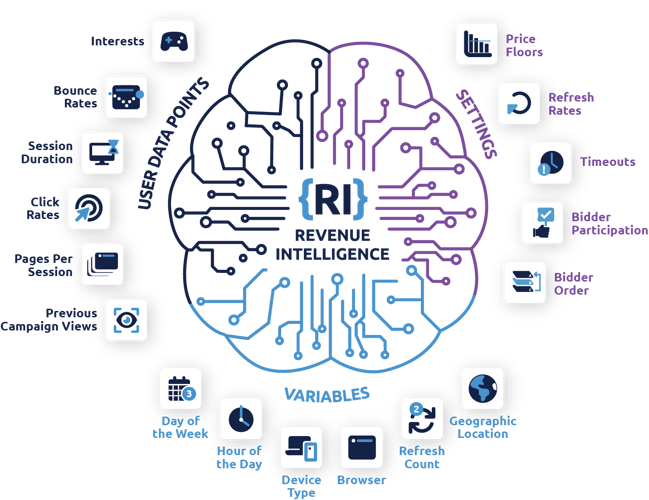
Revenue management for large properties has evolved beyond the “weekend vs. weekday” dynamic. 2026 algorithms now utilize Micro-Event Intelligence. By scraping local data—ranging from niche wedding venue availability to regional tech festivals and corporate retreat trends—AI can adjust the pricing of a 12-bedroom estate with surgical precision.
For large properties, the pricing model is shifting from “Market-Based” (what the neighbor is charging) to “Value-Based” (what the utility of the space is worth for a specific event). AI agents can identify when a specific weekend in a rural shire is seeing a spike in large-group queries and adjust the yield strategy in real-time, ensuring that these high-overhead assets remain profitable year-round.
Curating Trust: Computer Vision and Verification
As AI-generated content and “deep-fake” listings have become more prevalent, the industry has turned to AI as a tool for verification. Trust is the primary currency for large-group bookings, where the financial stakes are high and the emotional cost of a “failed” trip is significant.
Advanced platforms are now employing Computer Vision AI to audit property photos against real-world data. These systems can verify that a “heated infinity pool” actually exists and is maintained to a specific standard, or that a “commercial-grade kitchen” features the specific appliances promised in the listing. This automated verification layer provides a “Ground Truth” that protects high-budget bookings and elevates specialized, high-trust directories over unvetted, global marketplaces.
The AI Stack for Large Property Management
To achieve this level of operational excellence, modern estates are deploying a specific technical stack:
- Edge AI Sensors: For real-time monitoring of noise levels (to prevent neighbor disputes) and occupancy.
- Agentic Orchestrators: LLM-based agents that handle guest communication and vendor scheduling.
- Predictive Analytics Engines: For long-term maintenance forecasting and energy optimization.
- Vision-Based Verification: To ensure listing accuracy and brand consistency across multiple platforms.
Ethical AI: The “High-Touch” Human Balance
Despite the surge in technical capabilities, the 2026 hospitality market still rewards the human element. The role of AI in large-property management is to handle the “invisible” logistics, freeing up human hosts to provide the high-touch, empathetic service that luxury guests expect.
Data privacy remains a critical concern. Managing the data of 20+ individuals within a single booking requires a “Privacy-by-Design” approach. Modern AI hospitality systems utilize local, edge-based processing to ensure that sensitive guest information—such as dietary needs or health-related accessibility requirements—is handled securely and deleted post-stay, complying with the stringent data regulations of the mid-2020s.
Conclusion: The Scaled Future of Direct Booking
The integration of AI into the large-property sector has effectively leveled the playing field. Independent estate owners can now deploy “Smart Service” infrastructures that were previously only available to multi-billion-dollar hotel conglomerates.
As we look toward the future, the “Algorithmic Estate” will become the standard. The ability to manage high-capacity, high-complexity assets through agentic AI has turned large-property rentals into a highly efficient, data-driven asset class. For the traveler, this means more choice, better reliability, and a personalized experience that scales. For the industry, it represents the final transition from a “rentals” business to a “predictive hospitality” powerhouse. In 2026, the floor of the manor may be ancient stone, but the ceiling of its operational potential is purely digital.