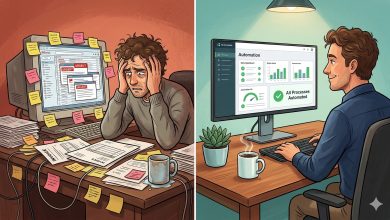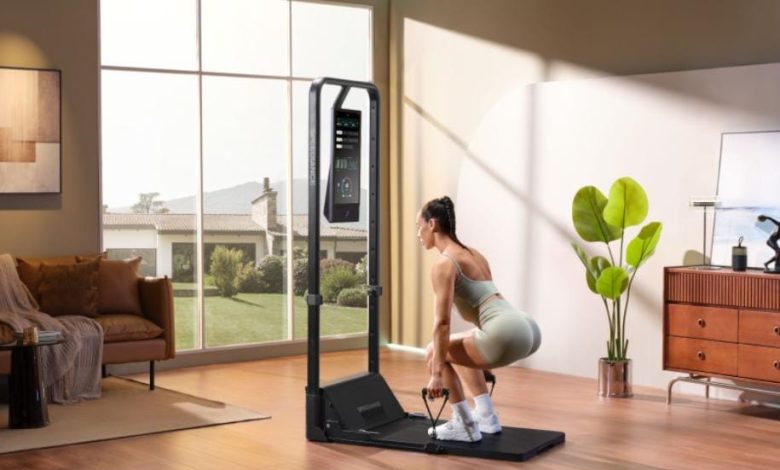
A few years ago, “working out at home” usually meant a yoga mat shoved under the bed and a couple of dusty dumbbells you swore you’d use more often. Fast forward to now, and home fitness looks completely different. Screens talk back. Workouts adapt mid-session. Your form gets corrected without a trainer standing over your shoulder.
Welcome to the era of AI fitness and smart home gym technology—where training at home feels less like a compromise and more like a genuine upgrade.
How Home Workouts Quietly Got Smarter
Most of us didn’t wake up one day and decide, Yes, I want artificial intelligence guiding my squats. It kind of just… happened. First, it was fitness apps tracking steps. Then heart rate. Then guided workouts. Now, AI-driven systems analyze movement, performance, recovery, and habits—all in real time.
What makes this shift interesting isn’t the tech itself. It’s how seamlessly it fits into real life. You don’t need to be a pro athlete or a hardcore gym rat. You just need a living room, a spare corner, or a garage that’s seen better days.
Smart home gym technology takes what used to be guesswork—Am I doing this right? Is this workout even working for me?—and replaces it with feedback that actually makes sense,whether you’re lifting heavy, doing cardio, or working through mobility exercises.
Personal Training, Minus the Awkward Small Talk
Traditional personal training can be great. It can also be expensive, inconsistent, and sometimes uncomfortable. AI fitness changes that dynamic.
Instead of following a generic workout video, you’re guided through sessions that adjust to you. If you’re tired, it knows. If your form slips, it corrects you. If you’re improving faster than expected, it pushes you a bit more.
The wild part? It doesn’t feel robotic. It feels… practical. Like having a trainer who remembers every workout you’ve ever done and doesn’t judge you for skipping leg day last week.
And no scheduling conflicts. No commute. No pretending you’re not exhausted.
Real-Time Feedback Changes Everything
One of the biggest differences between old-school home workouts and AI-powered ones is feedback. Before, you were mostly guessing. You’d watch yourself in a mirror and hope your form looked okay.
Now, smart home gym technology uses cameras, sensors, and motion tracking to spot issues immediately. Knees caving in during squats? It tells you. Rounding your back during deadlifts? You’ll hear about it before it becomes a problem.
This isn’t just about performance. It’s about safety. For a lot of people, especially beginners, fear of injury is what keeps them from lifting or pushing harder. AI fitness removes that uncertainty and replaces it with confidence.
Workouts That Actually Fit Your Life
Let’s be honest. Most fitness plans fail because they don’t match real schedules. Long workdays. Family responsibilities. Random energy dips. Life gets in the way.
AI-driven systems adapt instead of forcing you into a rigid plan. Short on time? It suggests a focused 20-minute session. Feeling drained? It adjusts intensity without making you feel like you’ve failed.
This flexibility is where smart home gym technology shines. It’s not about perfection. It’s about consistency. And consistency is what actually gets results.
Data That Makes Sense (Not Just Numbers)
Fitness data used to be overwhelming. Calories, reps, macros, percentages—it was easy to drown in it all.
AI fitness platforms simplify that. Instead of dumping numbers on you, they translate progress into clear insights. You’re stronger here. You’re improving faster than last month. You might need more recovery.
It feels less like studying for an exam and more like having a clear conversation about your body. You don’t need to obsess over every metric to see progress, which is refreshing.
Motivation Without the Guilt Trip
One underrated benefit of AI fitness is how it handles motivation. It doesn’t yell. It doesn’t shame. It nudges.
Miss a workout? It doesn’t scold you. It adjusts your next session. Hit a milestone? It acknowledges it in a low-key, satisfying way.
This matters more than it sounds. A lot of people quit fitness routines not because they’re lazy, but because the all-or-nothing mindset burns them out. Smart home gym technology supports momentum instead of pressure.
The Social Side, Without the Crowds
Some AI fitness platforms quietly add a social layer—leaderboards, shared challenges, community workouts. You can opt in or ignore it completely.
For people who like accountability but hate crowded gyms, this balance works. You get encouragement without feeling watched. Connection without comparison overload.
It’s social fitness on your terms, which feels very 2026.
Is AI Fitness Replacing Gyms?
Probably not entirely. Gyms still offer atmosphere, heavy equipment, and that unique “we’re all suffering together” energy. But for a growing number of people, smart home gym technology is becoming the primary option, not the backup.
It’s especially appealing if you value privacy, efficiency, and personalization. Or if your motivation spikes at odd hours when most gyms are either closed or packed.
AI fitness doesn’t try to recreate the gym experience perfectly. It creates a different one—often a better fit for modern lifestyles.
 What This Means Going Forward
 What This Means Going Forward
The biggest shift isn’t technological. It’s mental. Fitness is moving away from rigid programs and toward responsive systems. Ones that listen, learn, and adapt.
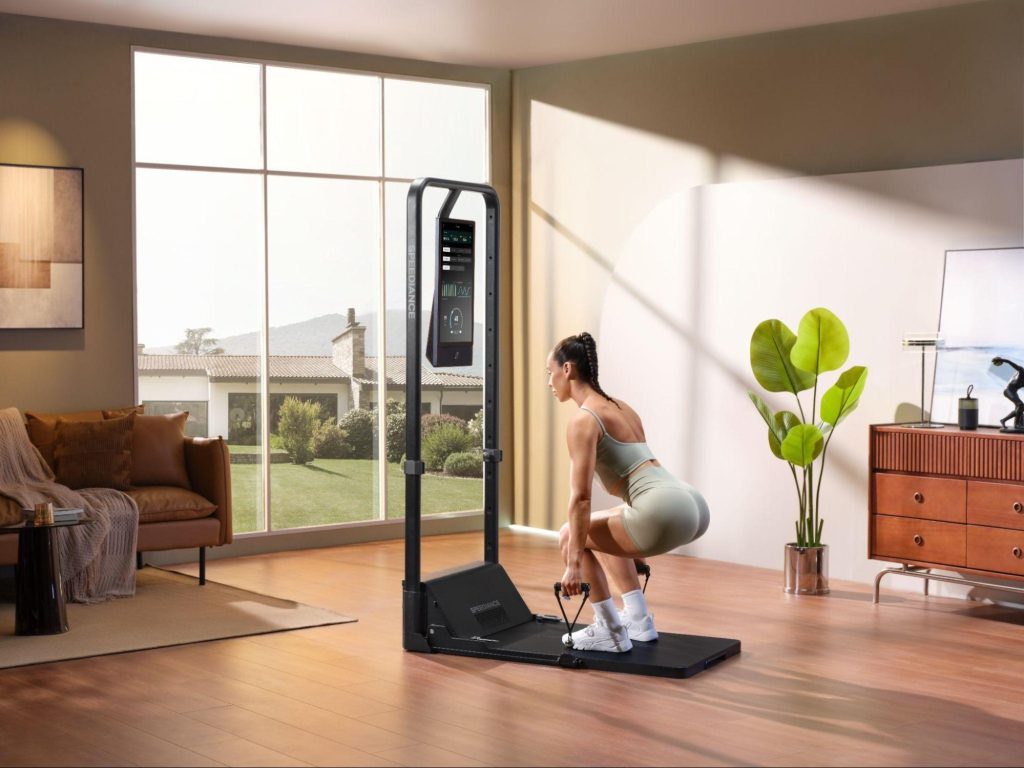
As AI fitness continues to evolve, home workouts will feel even more intuitive. Less setup. More personalization. Fewer excuses.
And honestly, that’s a good thing. Because fitness shouldn’t feel like another job. It should feel like something that works with your life, not against it.
Final Thoughts
If you’d told me years ago that my living room could offer smarter training than most gyms, I would’ve laughed. Now, it just feels normal.
AI fitness and smart home gym technology aren’t about replacing human effort. You still have to show up. You still have to move. But they remove friction—the confusion, the intimidation, the wasted time.
And when fitness fits more naturally into your day, sticking with it stops feeling like a battle.
It just becomes part of how you live.