USDA-funded research published in the Journal of Functional Foods explores how nano-encapsulated gamma-oryzanol reduces oxidative stress in aging cell models
Key Findings
- Nano-encapsulated gamma-oryzanol significantly reduced oxidative stress in aging cell models
- Improved delivery of the rice-derived compound enhanced cellular resilience and repair
PINE BLUFF, Ark., March 4, 2026 /PRNewswire/ — Researchers at the University of Arkansas at Pine Bluff (UAPB) have found that a rice bran compound delivered through nanotechnology may help protect cells from age-related damage, highlighting a promising new approach to improving the effectiveness of food-derived nutrients.
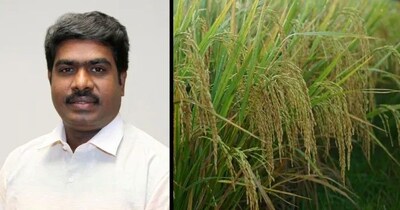
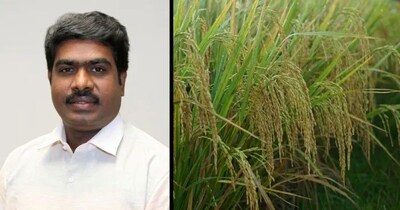
The study, led by Dr. Sankar Devarajan, associate professor of nutrition in the Department of Human Sciences at UAPB, examined how nanoencapsulation can enhance the delivery of gamma-oryzanol, a bioactive compound found in rice bran. The compound is known for its antioxidant and anti-inflammatory properties, but its limited water solubility has historically restricted how effectively it can reach cells.
The research was funded by the U.S. Department of Agriculture’s National Institute of Food and Agriculture and published in the peer-reviewed Journal of Functional Foods.
“Beyond the laboratory, this question matters because aging-related cell damage affects everyday health, including skin and tissue function,” Dr. Devarajan said. “Incorporating food-based strategies to slow the aging process could enable healthier aging and new preventive measures to reduce disease by consuming nutritive factors rather than pharmaceuticals.”
Inside the body, cells are continuously exposed to reactive oxygen species, commonly known as free radicals, which can damage proteins, lipids and DNA. Over time, this oxidative stress accelerates aging and contributes to conditions such as cardiovascular disease, metabolic disorders and other chronic health problems.
Gamma-oryzanol is a nutrient-rich compound found in rice bran, a byproduct of the rice milling process. Although it has been widely studied for its potential health benefits, scientists have faced challenges studying its full biological activity because the compound does not dissolve easily in water.
To overcome this limitation, the research team used a nano-encapsulated formulation of gamma-oryzanol, allowing the compound to be delivered more efficiently in laboratory experiments designed to simulate cellular aging.
Using this approach, researchers found that gamma-oryzanol helped reduce oxidative stress within cells, lowered levels of damaging reactive oxygen species and improved cellular resilience under aging-related stress conditions. The nano encapsulated formulation also enhanced fibroblast cell growth and migration, processes essential to tissue repair and wound healing.
“When gamma-oryzanol was delivered in this nano form, it effectively protected cells from aging-related stress,” he said. “It reduced harmful oxidative molecules, helped cells maintain function and even supported repair in cell models. The nano formulation allowed the compound to reach cells more effectively than traditional forms.”
The research was conducted using an in vitro cellular aging model, a widely used early-stage approach for understanding how compounds influence biological processes associated with aging. The findings provide a foundation for future studies in animals and eventually humans and could have broader implications for the development of next-generation functional foods, nutraceutical ingredients and dietary strategies designed to support healthy aging. Discoveries that unlock new health applications for rice-derived bioactive compounds could create additional value for one of the world’s most widely produced staple crops.
The project involved collaboration between researchers at UAPB and the University of Arkansas for Medical Sciences (UAMS), combining expertise in nutrition science, pharmacology and biomedical research.
“This study is an excellent example of how nutrition science and biomedical research can work together to address fundamental questions about aging and cellular health,” said Dr. Shengyu Mu, professor for the UAMS Department of Pharmacology and Toxicology. “By improving the delivery of gamma-oryzanol through nanotechnology, our team demonstrated how a naturally occurring, food-derived compound can more effectively reduce oxidative stress and support cellular repair.”
About the University of Arkansas at Pine Bluff
Founded in 1873, the University of Arkansas at Pine Bluff is the state’s oldest and only public land-grant Historically Black College and University (HBCU). With more than 70 academic programs, UAPB continues its mission of preparing students to be leaders of change in Arkansas and the world. UAPB delivers a distinct value proposition: a 4-year investment with lifelong returns. The university combines academic excellence, cultural pride, affordability, and career readiness to prepare graduates for success. With nationally recognized programs in agriculture, aquaculture, STEM, business, and the arts, UAPB provides students with high-quality education at a cost that remains among the most affordable in the region.
 View original content to download multimedia:https://www.prnewswire.com/news-releases/study-finds-rice-bran-compound-delivered-through-nanotechnology-may-protect-aging-cells-302703388.html
SOURCE University of Arkansas at Pine Bluff