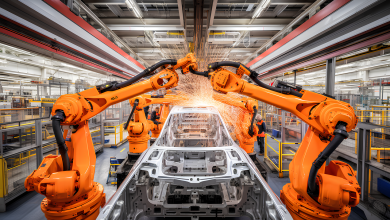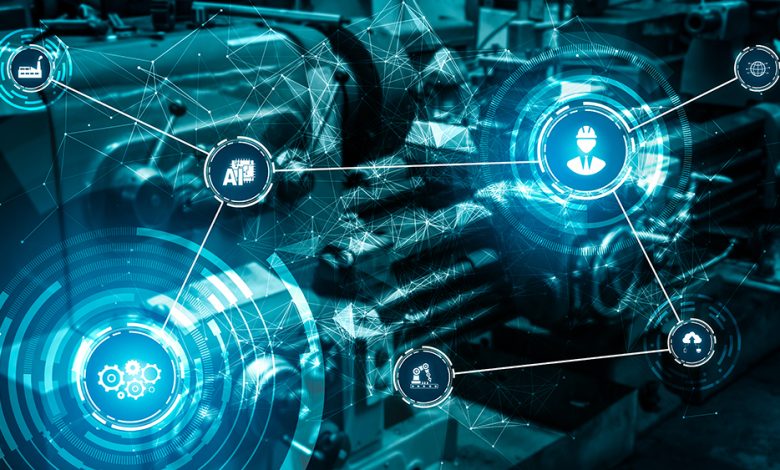
Tungsten carbide is often called the unsung hero of modern industry. It is the material that cuts steel, drills through bedrock for energy, and forms the tips of precision surgical tools. For decades, the production of this incredibly hard composite was considered a “black art.” It relied heavily on the intuition of seasoned metallurgists who knew exactly how the powder felt or how the furnace hummed. That human expertise remains vital, but it is now being paired with a powerful new tool. Artificial intelligence is quietly reshaping how hard metal is made.
The shift is not about robots taking over the factory floor. It is about data. Making tungsten carbide involves complex chemical and physical reactions that happen under extreme heat and pressure. Consistency is the hardest thing to achieve. A slight variation in temperature or a minor impurity in the powder mix can ruin a batch. This is where AI steps in. It acts as a hyper-vigilant observer that monitors variables no human could track simultaneously.
The Complexity of the Mix
To understand why AI helps, one must understand the material. Tungsten carbide is not a single metal. It is a composite material, usually consisting of tungsten carbide particles glued together by a metal binder, typically cobalt. The process begins with powder.
Manufacturers mix these powders in precise ratios. In the past, if a batch of raw material varied slightly in grain size, the recipe might need a manual adjustment. Often, this was discovered only after the product failed quality testing.
Today, machine learning algorithms analyze the raw material data before mixing begins. The software looks at the chemical composition and particle distribution of the incoming powder. It can suggest micro-adjustments to the milling time or the binder ratio to compensate for raw material variations. This predictive capability ensures that the “green state”—the pressed but un-sintered part—starts its life with the best possible structure.
This level of precision is particularly important for a tungsten carbide manufacturer in the USA facing global competition. Domestic producers cannot compete solely on volume or low labor costs. They compete on quality and material performance. AI allows them to guarantee a grade of carbide that performs identically today as it did six months ago, which is a massive selling point for aerospace and automotive clients.
Sintering and the Heat Curve
The most critical phase in production is sintering. This is when the pressed powder compacts are heated in a furnace to temperatures near the melting point of the binder. During this phase, the part shrinks by about twenty percent. The cobalt melts and pulls the tungsten carbide particles together, creating a dense, hard solid.
Sintering is a delicate balance. If the heat rises too fast, the part might warp. If it cools too slowly, the grain structure might become too coarse, reducing the hardness. Traditionally, furnaces ran on pre-set programs or “profiles.” These profiles were static.
AI introduces dynamic control to the furnace. Sensors inside the sintering vessel feed data to a control system in real time. The system monitors gas flow, vacuum levels, and temperature gradients. If the system detects an anomaly, such as a slight drop in vacuum pressure, it can adjust the heating elements instantly to compensate.
This creates a “perfect run” every time. It essentially eliminates the guesswork. For a business, this reduces scrap rates significantly. Tungsten and cobalt are expensive raw materials. Every scrapped batch represents a significant financial loss. By using AI to smooth out the sintering process, manufacturers save money and reduce waste.
Defect Detection Through Computer Vision
Once the part comes out of the furnace, it must be inspected. Tungsten carbide parts are often used in high stress environments. A microscopic crack in a mining insert can lead to a catastrophic failure of a million dollar drill.
Manual inspection is tedious and prone to error. Inspectors can get tired. Their eyes can miss a hairline fracture that is barely visible. This is an ideal application for computer vision, a subset of AI.
Factories are installing high resolution cameras along the production line. These cameras photograph every surface of the finished part. The AI model compares these images against a database of known defects. It learns over time. It knows what a pressed pit looks like versus a grinding mark. It can spot density variations that indicate a problem inside the material.
This technology does more than just reject bad parts. It creates a feedback loop. If the computer vision system detects a repeating flaw in a specific geometry, it alerts the engineering team. They might discover that a specific press tool is wearing out or that a mold needs cleaning. The system catches the trend before it becomes a major production issue.
Predictive Maintenance on the Shop Floor
Machining tungsten carbide requires massive force. The presses that compact the powder can exert tons of pressure. The grinding machines that finish the hard parts wear down diamond wheels rapidly. Equipment breakdown is a constant threat to production schedules.
Reactive maintenance is the old standard. A machine breaks, and then it gets fixed. This leads to unplanned downtime. AI shifts the strategy to predictive maintenance.
Sensors attached to hydraulic presses measure vibration, temperature, and sound. An algorithm establishes a baseline for how a healthy machine sounds. When a bearing starts to wear or a valve begins to stick, the vibration pattern changes slightly. The AI notices this change weeks before the machine actually fails.
Maintenance teams receive an alert suggesting that a specific component needs attention during the next scheduled shutdown. This keeps the factory running smoothly. For a tungsten carbide manufacturer in the USA, reliability is a key service metric. Clients rely on just-in-time delivery. Predictive maintenance ensures that the production schedule holds up, even when machinery is running at full capacity.
Optimizing the Supply Chain
Manufacturing is not just about what happens inside the factory walls. It is also about getting materials in and shipping products out. AI tools are helping carbide producers manage their inventory.
Tungsten is a globally traded commodity with volatile pricing. AI models analyze market trends, mining output reports, and geopolitical news to predict price fluctuations. This helps purchasing managers decide when to buy stock and when to wait.
On the outbound side, AI analyzes order history to predict demand. If the system sees a seasonal spike in orders for snowplow blades, it prompts the production team to start preparing that specific grade of carbide in advance. This reduces lead times for customers and prevents the manufacturer from carrying too much unnecessary stock.
The Human Element Remains
It is easy to assume that these technologies remove the need for skilled workers. The reality is quite different. AI is a tool that requires skilled handling. The data generated by these systems needs interpretation.
A metallurgist creates the initial alloy design. The AI helps refine it. A master toolmaker designs the complex molds. The AI ensures the press fills them uniformly. The technology removes the drudgery of data collection and the risk of oversight, freeing up the human workforce to focus on innovation and problem-solving.
In many US facilities, the workforce is aging. Experienced technicians are retiring. AI helps capture some of their tribal knowledge. By codifying the parameters that make a good part, the system preserves the company’s expertise. It serves as a guide for the next generation of workers who will manage the shop floor.
Competitive Advantage in a Global Market
The integration of AI is becoming a dividing line in the industry. Companies that adopt these smart technologies are seeing improvements in speed and consistency. They can prototype new grades of carbide faster because they can simulate the results before mixing a single gram of powder.
This technological edge is vital for the domestic market. A tungsten carbide manufacturer in the USA operates in an environment with strict environmental regulations and higher operational costs. Efficiency is the only way to offset these factors. AI provides the efficiency that makes domestic production viable and profitable.
Customers are also demanding more data. They want to know the lineage of the parts they buy. Digital tracking systems, powered by AI, allow manufacturers to provide full traceability. A client can scan a box of inserts and see exactly when they were sintered, what the furnace conditions were, and which batch of powder was used. This transparency builds trust.
Moving Toward a Smarter Future
The transition to AI assisted manufacturing is not an overnight event. It is a gradual process of upgrading sensors, integrating software, and training staff. However, the trajectory is clear. The production of tungsten carbide is moving away from rough estimates and toward absolute precision.
This evolution benefits everyone in the chain. The manufacturer reduces waste and lowers costs. The customer receives a product with tighter tolerances and longer tool life. The industry as a whole becomes more sustainable by using energy and raw materials more efficiently.
As these technologies mature, we can expect even more integration. We might see furnaces that communicate directly with the powder mixers to adjust recipes in real time. We might see AI designing entirely new carbide microstructures that were previously thought impossible.
For now, the focus remains on practical application. It is about using data to make better decisions, day in and day out. It is about ensuring that the hardest metal on earth is made with the smartest methods available. The combination of American manufacturing expertise and artificial intelligence is setting a new standard for what this incredible material can achieve.