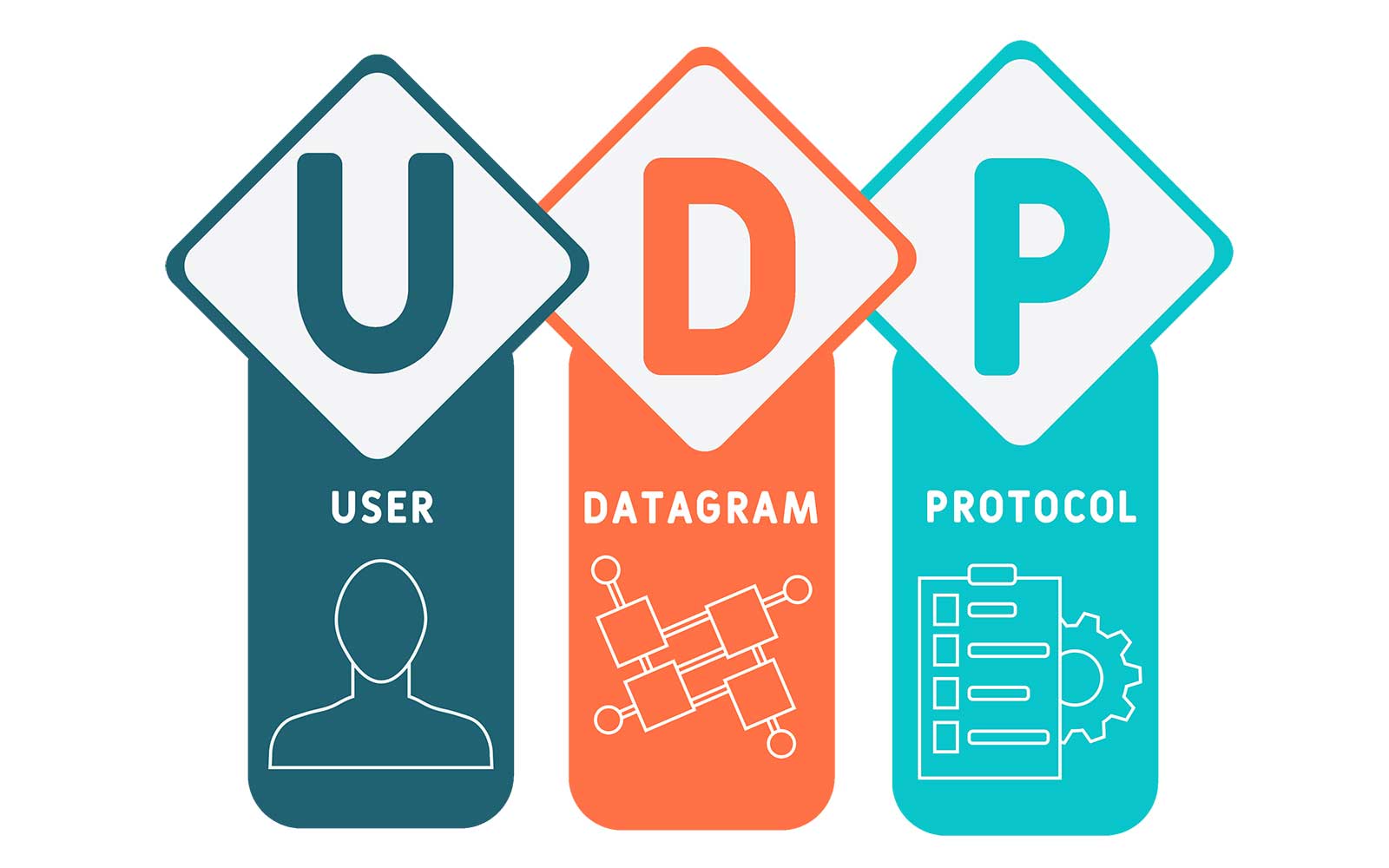
In the ever-evolving landscape of networking, ensuring the security and efficiency of data transmission is paramount. One of the most challenging aspects of this task is securing UDP (User Datagram Protocol) replication in high-speed networks. UDP plays a vital role in modern network applications, especially in high-performance environments where low latency is critical. However, due to its connectionless and stateless nature, UDP is often more vulnerable to security threats compared to other protocols, such as TCP. This article explores the challenges and solutions involved in securing UDP replication in high-speed networks and how tools like Plixer can assist in mitigating risks associated with UDP-based traffic.
The Role of UDP in High-Speed Networks
UDP is commonly used in high-speed networks for applications that require fast data transmission with minimal overhead. Examples include streaming media, VoIP (Voice over IP), DNS queries, and online gaming. Unlike TCP, UDP does not establish a connection before sending data, making it faster and more efficient for real-time applications where low latency is a priority. However, this lack of connection establishment also means that UDP does not provide mechanisms for ensuring data integrity, ordering, or error checking, which leaves it vulnerable to various security threats, such as spoofing, flooding, and man-in-the-middle attacks.
When UDP replication is deployed in a network, it typically involves duplicating packets to multiple destinations for load balancing, fault tolerance, or redundancy. While this improves network reliability and performance, it also increases the attack surface for potential threats, which can compromise the integrity and security of the system.
Security Risks in UDP Replication
The connectionless nature of UDP makes it inherently more vulnerable to several types of attacks. In the context of UDP replication, these vulnerabilities can be even more problematic. Some of the key security risks associated with UDP replication in high-speed networks include:
1. UDP Flood Attacks
A UDP flood attack occurs when an attacker sends an overwhelming amount of UDP packets to a target server, often using a botnet of compromised devices. This flood of traffic can saturate network resources, making the target server unresponsive or even causing it to crash. When UDP replication is in play, these attacks can be especially harmful because the replicated packets increase the traffic load on multiple devices, amplifying the attack’s impact.
2. Spoofing and Man-in-the-Middle Attacks
Since UDP does not authenticate its source or destination, it is highly susceptible to IP address spoofing. In a man-in-the-middle (MITM) attack, a malicious actor can intercept and alter UDP packets, potentially injecting malicious content into the replicated data streams. These attacks are particularly dangerous in high-speed networks where UDP packets are replicated across multiple servers or devices, as it becomes more difficult to detect and block the malicious traffic in real-time.
3. Data Integrity Issues
Another concern with UDP is the lack of built-in mechanisms for ensuring data integrity. While UDP replication may improve network resilience by duplicating packets across multiple nodes, there is no guarantee that the replicated data will be accurate or unmodified. If attackers intercept or manipulate UDP packets in transit, the replicated data could be corrupted or tampered with, leading to potential security breaches or data loss.
4. DDoS Attacks Leveraging UDP
Distributed Denial of Service (DDoS) attacks that exploit UDP replication mechanisms can be particularly devastating in high-speed networks. In a UDP-based DDoS attack, an attacker may amplify the volume of malicious traffic by exploiting the replication process. By sending malicious UDP packets with spoofed addresses to a vulnerable server, the attacker can cause the server to replicate the traffic to multiple devices, overwhelming network resources and disrupting normal operations.
The Role of Plixer in Securing UDP Replication
Plixer offers a comprehensive solution for monitoring and securing high-speed networks, especially those using UDP replication. By leveraging Plixer’s advanced traffic analysis tools, network administrators gain deeper insights into UDP packet flow, replication performance, and security vulnerabilities. With features like flow-based traffic monitoring and threat detection, Plixer helps network teams identify and mitigate potential attacks before they can disrupt network operations.
Plixer’s solution allows administrators to continuously track the flow of UDP packets across the network, helping identify patterns associated with attacks such as UDP floods or DDoS amplification. Moreover, its user-friendly interface enables quick detection of anomalies, allowing network operators to take proactive steps in securing UDP replication processes. This makes it a valuable tool for organizations that rely on UDP-based applications and need to ensure the integrity and performance of their high-speed networks.
Mitigating Security Risks in UDP Replication
While the security risks associated with UDP replication in high-speed networks cannot be eliminated entirely, there are several strategies and best practices that network administrators can adopt to mitigate these threats.
1. Implementing Rate Limiting and Traffic Filtering
One of the first steps in securing UDP replication is implementing rate limiting and traffic filtering. Rate limiting involves setting a threshold for the maximum number of UDP packets that can be processed or forwarded by a device within a given time frame. This helps prevent UDP flood attacks from overwhelming network resources. Traffic filtering, on the other hand, can be used to block traffic from suspicious or malicious sources. By applying filters that inspect packet headers for common attack signatures, network administrators can block unwanted traffic before it reaches critical systems.
2. Deploying Authentication Mechanisms
Although UDP is inherently connectionless and lacks built-in authentication, administrators can implement authentication mechanisms at higher layers of the network stack. For example, protocols like IPsec (Internet Protocol Security) and DNSSEC (Domain Name System Security Extensions) can be used to authenticate and encrypt UDP traffic. This helps protect the integrity and authenticity of the replicated data and prevents spoofing or MITM attacks. By requiring devices to prove their identity before transmitting or receiving UDP packets, administrators can ensure that only trusted sources are involved in the replication process.
3. Enabling Intrusion Detection and Prevention Systems (IDPS)
Intrusion Detection and Prevention Systems (IDPS) are critical tools for identifying and responding to suspicious activity within a network. These systems continuously monitor network traffic for signs of attacks, including UDP flood attacks, spoofing, and other malicious behaviors. By integrating IDPS with UDP replication systems, network administrators can quickly detect anomalous patterns of behavior and take corrective actions to mitigate the impact of an attack. Moreover, IDPS can be configured to automatically block or redirect malicious traffic before it affects the network’s performance.
4. Using Advanced Network Monitoring Tools
To further enhance security, network administrators should deploy advanced monitoring solutions capable of providing deep visibility into UDP traffic and replication processes. Tools like Plixer offer powerful network traffic analysis capabilities, enabling administrators to identify patterns and anomalies in UDP-based traffic. By using Plixer to monitor the replication process, administrators can detect any deviations from normal traffic behavior and respond to potential threats in real time. Additionally, these tools often provide automated reporting and alerting, which can help speed up response times and minimize the damage caused by security incidents.
Conclusion
Securing UDP replication in high-speed networks is an essential aspect of modern network security. The inherent characteristics of UDP, such as its connectionless and stateless nature, make it more vulnerable to various forms of attack, including UDP floods, spoofing, and MITM attacks. However, by implementing best practices like rate limiting, traffic filtering, and authentication mechanisms, network administrators can significantly reduce the risk of these threats.
Moreover, leveraging advanced network monitoring and traffic analysis tools, such as those offered by Plixer, can provide valuable insights into UDP traffic patterns and potential vulnerabilities. These tools help network teams detect and respond to security incidents in real-time, ensuring that high-speed networks remain secure and performant.
As organizations continue to rely on UDP for mission-critical applications, securing UDP replication processes will remain a top priority for network security teams. By adopting a proactive approach to threat detection and implementing robust security measures, businesses can safeguard their high-speed networks against emerging risks while maintaining the performance and reliability that their applications demand.