For a meat retailer, the risk of waste begins with purchasing decisions. Stock ordered beyond demand must be sold within a limited period, while products moving through storage and transportation require carefully managed conditions. Sustainability therefore has an operational dimension: how accurately a business plans inventory and how closely it monitors what happens to that inventory.
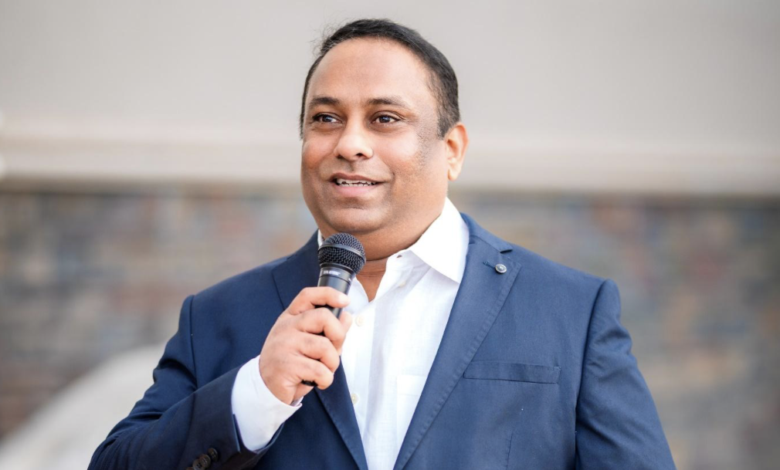
These are among the problems Rishikesh Aripineni has addressed at FARM2COOK. As Co-Founder and Head of IT Operations, he built machine-learning models for demand forecasting across more than 10 locations and deployed a sensor network to monitor temperatures across facilities and transit. His work connects inventory planning with visibility into the conditions affecting perishable goods.
Aripineni brings 25 years of IT experience to the role. His responsibilities encompass the design of core platforms, their integration with business applications and oversight of the infrastructure supporting daily operations.
Planning Inventory Before Waste Occurs
The demand-forecasting models address the purchasing side of waste management. Across multiple locations, inventory requirements differ. Each location must balance sufficient availability against the risk of holding more perishable stock than it can sell.
Aripineni developed the models to support purchasing and allocation decisions across FARM2COOK’s retail network. Their purpose is to help teams anticipate demand and manage exposure to over-ordering and spoilage.
Forecasting provides an analytical input alongside the judgment of employees responsible for local operations. Its usefulness depends on how effectively those estimates reach the people making stocking decisions. Aripineni’s responsibility for enterprise systems places this planning work within the technology environment supporting those decisions.
Monitoring Products Through Storage and Transit
Once products enter the supply chain, storage and transportation conditions introduce another set of risks. Aripineni deployed IoT sensors across FARM2COOK’s locations and transit operations to provide real-time temperature visibility.
The network creates environmental records that teams can examine alongside product movement. This gives operational reviews a more specific basis: where goods were held, when they moved and what temperatures were recorded during that period.
Product losses also involve resources already committed to processing, refrigeration, storage and transportation. Monitoring supports the management of those risks, while the extent of any resulting waste reduction must be established through operating data.
Connecting Inventory Records with Business Activity
Aripineni linked FARM2COOK’s supply-chain platform with its enterprise resource planning and point-of-sale applications, connecting product records with inventory and sales transactions.
These integrations allow teams to examine stock in the context of business activity. A product’s recorded movement can be considered alongside the transactions associated with its receipt and sale. That continuity supports investigations into inventory discrepancies and reviews of how goods pass through different stages of the operation.
This work connects planning and physical handling with the systems employees use to run the business, making supply-chain information available within daily workflows.
Using Traceability to Support Accountability
Blockchain traceability serves a supporting role in this framework. Aripineni designed and deployed FARM2COOK’s animal-level ledger, establishing a provenance record that connects source information with subsequent supply-chain activity.
He also built the mobile application and QR infrastructure through which customers can access product information. These capabilities extend the use of provenance records beyond internal operations.
Their relevance to resource management lies in maintaining an identifiable product history that can be reviewed alongside handling and inventory records. Environmental performance requires additional measures, including evidence of changes in waste, energy consumption or resource use.
Maintaining Systems Across More Than 10 Locations
Keeping these applications available across FARM2COOK’s locations requires infrastructure and ongoing coordination. Aripineni architected the company’s cloud platform across AWS, Microsoft Azure and Google Cloud, and oversees technology vendors, contractors and systems infrastructure.
His role extends from building analytical and monitoring tools to maintaining the environment in which employees use them. That combination connects technical development with the operational requirements of a business managing perishable inventory across multiple sites.
Making Sustainability an Operational Discipline
Aripineni’s work brings resource planning into specific business functions. Demand forecasting informs how much inventory enters the business. Temperature monitoring provides visibility into how that inventory is handled. Enterprise integration connects those activities with records of movement and sale.
At FARM2COOK, he has built the systems supporting these decisions. Measures such as spoilage rates, inventory turnover and forecast accuracy provide the basis for assessing how that infrastructure translates into more efficient use of resources.